Starting a stone crushing plant involves more than purchasing crushers and establishing a production site. It requires a clear understanding of local aggregate demand, available quarry resources, equipment investment, operating costs, and long-term sales opportunities. A successful operation must transform raw rock into consistently graded construction materials while maintaining a reliable supply for customers. Whether entering the market as a new quarry operator or expanding an existing construction business, investors should approach the project as a complete aggregate supply operation, from resource assessment to finished product distribution. Get more information about how to start a stone crushing plant from the following sections.
1. Evaluate Quarry Resources and Local Aggregate Demand
The first step is to determine whether local geological resources and market conditions can support a profitable crushing operation. Investors should investigate the quantity and quality of available rock, including its hardness, abrasiveness, moisture content, and natural particle characteristics. These properties influence the crushing process, equipment selection, production costs, and the quality of finished aggregates.
Market research is equally important. Construction companies, road contractors, concrete batching plants, asphalt producers, and building material suppliers may require different aggregate sizes and specifications. Understanding their purchasing requirements helps investors identify which products have the strongest demand. Local competitors, transportation distances, and existing aggregate prices should also be evaluated to determine whether a new plant can enter the market competitively.
2. Develop a Business Plan and Calculate Investment Costs
Once the market opportunity has been identified, investors should prepare a business plan that connects production targets with expected sales. The plan should define the intended customers, product specifications, estimated daily output, operating schedule, and distribution strategy.
Initial investment generally includes several major components:
- Land and site preparation: Quarry access, ground leveling, foundations, drainage, and stockpile areas.
- Crushing and screening equipment: Primary crushers, secondary crushers, vibrating screens, feeders, and conveyors.
- Supporting facilities: Electrical systems, loading equipment, maintenance workshops, and storage facilities.
- Permits and compliance: Applicable quarry licenses, environmental approvals, and safety requirements.
- Working capital: Labor, fuel or electricity, spare parts, transportation, and other operating expenses.
Operating costs should be calculated per ton of saleable aggregate rather than based only on the crusher’s rated capacity. Actual output depends on material characteristics, equipment availability, production efficiency, and the proportion of material meeting customer specifications. Estimating these factors provides a more realistic basis for calculating revenue, break-even production, and investment returns.
3. Select the Right Crushing and Screening Equipment
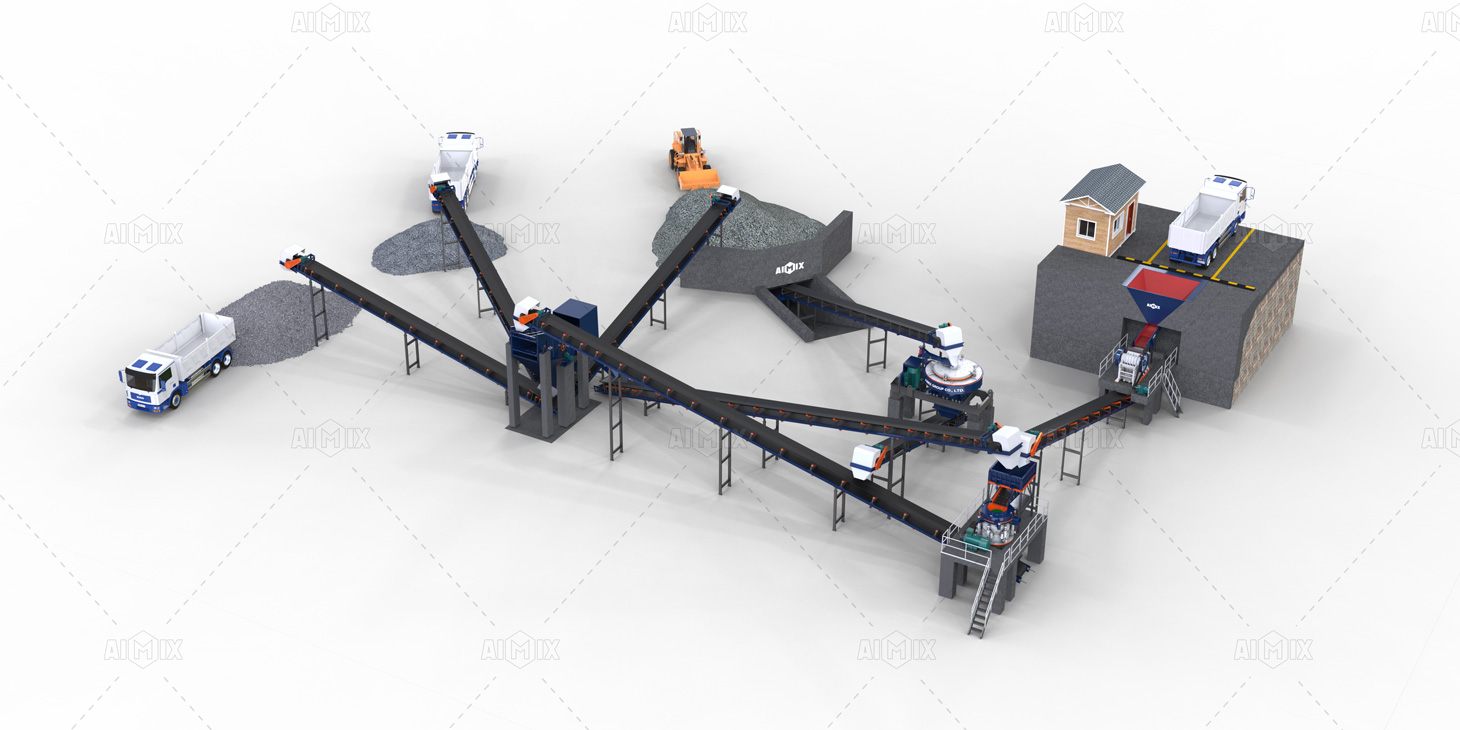
Equipment configuration should reflect the raw material, target output, required aggregate sizes, and site conditions. A typical stone crushing plant includes a feeding system, primary crusher, secondary crushing equipment, vibrating screens, and belt conveyors.
A jaw crusher is commonly used for primary crushing because it reduces large rocks through compression. Depending on material hardness and final product requirements, a cone crusher or impact crusher may be selected for secondary or tertiary processing. Vibrating screens classify crushed material into different size fractions, while conveyors transport materials between processing stages.
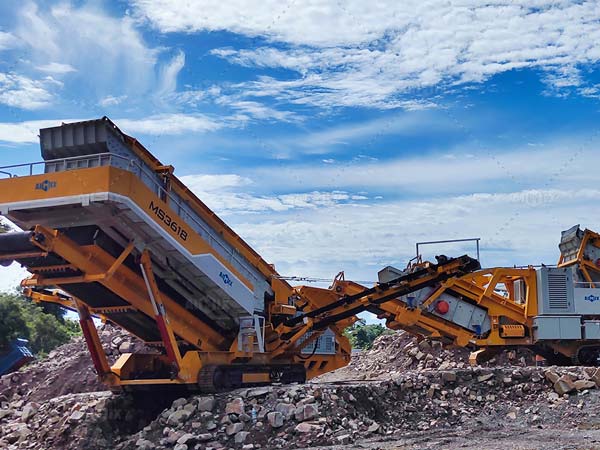
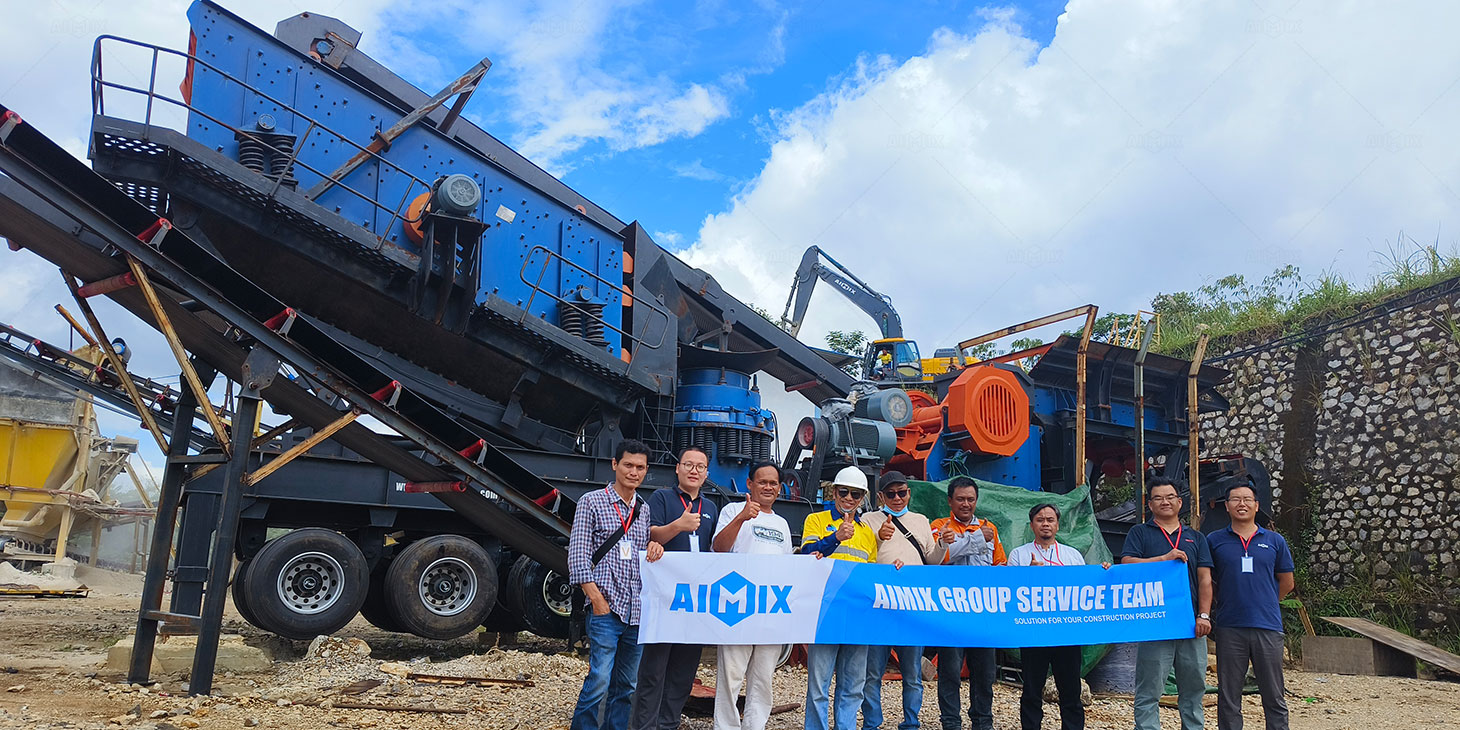
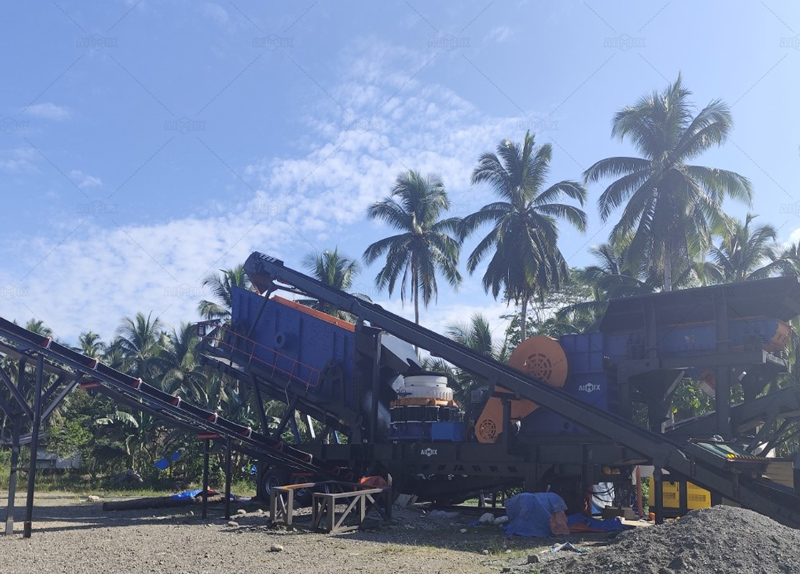
Investors must also decide whether a mobile or stationary configuration is more suitable. Stationary plants are often appropriate for long-term quarry operations with stable material sources and relatively fixed production requirements. Mobile crushing plants offer greater flexibility when working locations change or materials need to be processed closer to the extraction area.
For example, businesses researching a stone crusher Indonesia project may need to compare mobile and stationary configurations based on quarry locations, transportation conditions, and the distribution of aggregate demand across different islands. The equipment arrangement should reflect the actual project environment rather than relying on a standard configuration.
Equipment capacity must be balanced across the entire production line. Selecting a high-capacity crusher without sufficient screening or conveying capacity can create bottlenecks and reduce actual output. A properly configured system should maintain continuous material flow from feeding to finished aggregate stockpiling.
4. Plan Site Layout and Production Processes
An efficient site layout reduces unnecessary material handling and supports safe, continuous production. The positions of the feeding area, crushing equipment, screening units, conveyors, stockpiles, and loading zones should be planned before installation.
Raw materials should move through the plant along a logical route. After extraction, rocks are delivered to the feeding system and reduced by the primary crusher. Secondary crushing further adjusts particle sizes, while screening separates finished products according to customer requirements. Oversized particles may return for additional crushing through a closed-circuit arrangement.
Stockpile locations should provide enough storage space for different aggregate sizes without causing contamination or obstructing equipment movement. Separate storage areas for manufactured sand, fine aggregates, and coarse aggregates make inventory management and product delivery more efficient.
Site planning should also account for water drainage, dust suppression, noise control, maintenance access, and vehicle circulation. These factors influence both operational efficiency and compliance with local environmental and safety regulations. In markets such as the Philippines, where projects may serve customers across multiple islands, access roads, port facilities, and transportation arrangements can also affect the overall site and distribution plan. These considerations are particularly relevant when evaluating a stone crusher Philippines investment.
5. Establish Reliable Production and Quality Control
Once installation and commissioning are complete, the plant needs standardized operating procedures. Operators should monitor feeding rates, crusher settings, screen performance, conveyor loading, and equipment condition throughout each production shift.
Quality control is essential because aggregate buyers often require specific particle sizes, gradation, and material properties. Regular sampling and testing help identify variations before they affect large quantities of finished products. If the aggregate contains excessive fines or oversized particles, operators may need to adjust crusher settings, screen openings, or the circulating load.
Preventive maintenance also helps protect production stability. Jaw plates, blow bars, cone liners, screen media, conveyor belts, and bearings should be inspected according to operating conditions and maintenance schedules. Keeping critical spare parts available can reduce the impact of unexpected equipment failures.
6. Build a Sustainable Aggregate Supply Business
Long-term success depends on maintaining a reliable relationship between resource availability, production capacity, and customer demand. A crushing plant should not produce aggregates simply to maximize machine utilization. Its production schedule should reflect actual orders, inventory levels, and market requirements.
Environmental management is another important part of sustainable operation. Dust suppression systems, water recycling where practical, noise reduction measures, and responsible management of waste materials can help reduce the environmental impact of quarrying and crushing activities. Efficient equipment utilization and appropriate maintenance also help control energy consumption and material losses.
Regional operating conditions should remain part of long-term planning. For businesses considering a stone crusher Australia project, factors such as quarry distances, transportation costs, environmental compliance, and the availability of maintenance services can influence the sustainability of aggregate production. Planning for these factors from the beginning helps reduce operational risks as the business develops.
As demand grows, operators can consider expanding production capacity, adding new aggregate sizes, or introducing manufactured sand production. However, expansion should be supported by market research and a realistic assessment of available quarry resources.
Starting a stone crushing plant is ultimately a process of connecting natural resources with consistent market demand. By evaluating quarry conditions, planning investment carefully, selecting suitable crushing and screening equipment, and maintaining reliable production standards, investors can build a sustainable aggregate supply business. Working with experienced equipment suppliers can also help investors assess crushing configurations and develop processing solutions that match their project requirements.