A sand making and washing plant must do more than produce a target volume of manufactured sand. It needs to control particle shape, maintain the required gradation, remove unwanted impurities, and recover usable fine particles without creating bottlenecks. These goals depend on how well the vertical shaft impact crusher, screening system, sand washer, and fine sand recovery equipment work together. For quarry operators and aggregate producers, configuring the complete production line around the raw material and final product specifications is more effective than selecting individual machines based on rated capacity alone.
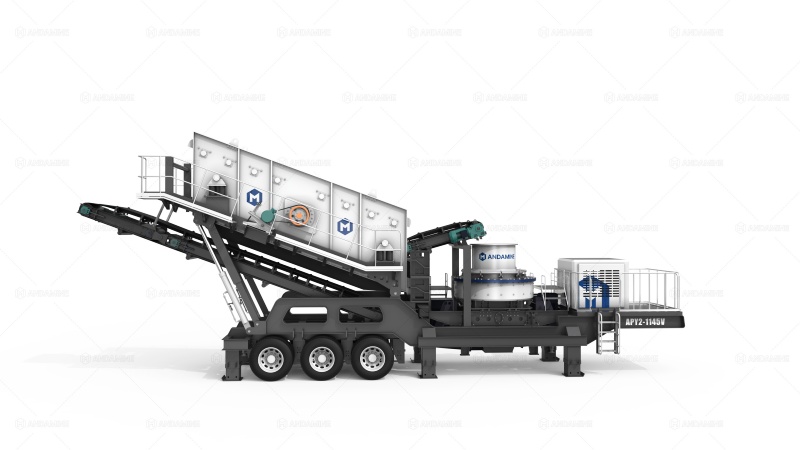
Define Production Goals Before Selecting Equipment
The first step is to establish the plant’s actual production requirements. These include the required hourly output, target sand gradation, allowable fines content, particle shape, and expected operating hours. A plant producing sand for ready-mixed concrete may have different quality requirements from one supplying general construction fill or road base materials. These differences influence the crushing process, screening arrangement, and washing intensity.
Raw material characteristics also determine the configuration. Limestone, granite, basalt, and river pebbles differ in hardness, abrasiveness, moisture content, and particle shape after crushing. Clay contamination and the proportion of naturally occurring fines can further affect washing requirements. A preliminary assessment of feed size distribution and material properties helps determine whether additional screening, pre-washing, or separate fine sand recovery is necessary.
Production targets should be defined for the finished product rather than only for the crusher. If a project requires 80 tons of saleable sand per hour, the complete line must deliver that quantity after accounting for screening rejects, washing losses, moisture, and maintenance downtime. This distinction prevents equipment from being undersized at the final processing stage.
Match VSI Crushers to Sand Shape and Production Capacity
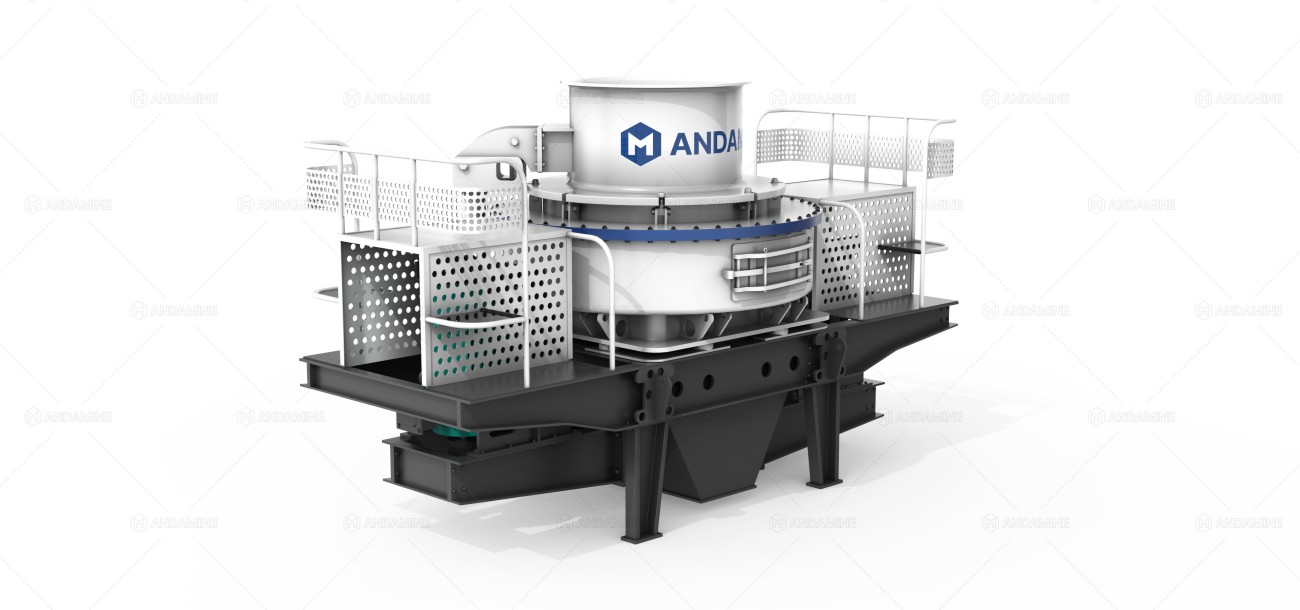
Vertical shaft impact crushers are widely used in manufactured sand production because they can improve particle shape and reduce larger particles into smaller fractions. Depending on the crusher design and operating conditions, rock-on-rock or rock-on-metal crushing can be used to achieve different balances between particle shaping, reduction efficiency, and wear costs.
When choosing a VSI crusher, consider the feed size, material hardness, required sand output, and desired particle-size distribution. The crusher’s rated capacity does not necessarily equal the final sand production rate. Some discharged material may remain oversized and require recirculation, while some fine particles may be removed during washing. The required finished sand output should therefore be used to calculate the capacity of the crushing stage.
Feed consistency is another important factor. Large variations in feed size or an unstable supply of material can cause fluctuations in crusher performance. A properly sized feeder and suitable upstream screening help maintain a steady feed. Operators can then adjust the crusher’s operating parameters according to product gradation and particle shape, while monitoring wear parts and power consumption.
In a sand manufacturing plant, the VSI crusher should be selected as part of a complete process. Installing a high-capacity crusher without sufficient screening and washing capacity may simply transfer the production bottleneck to the next stage.
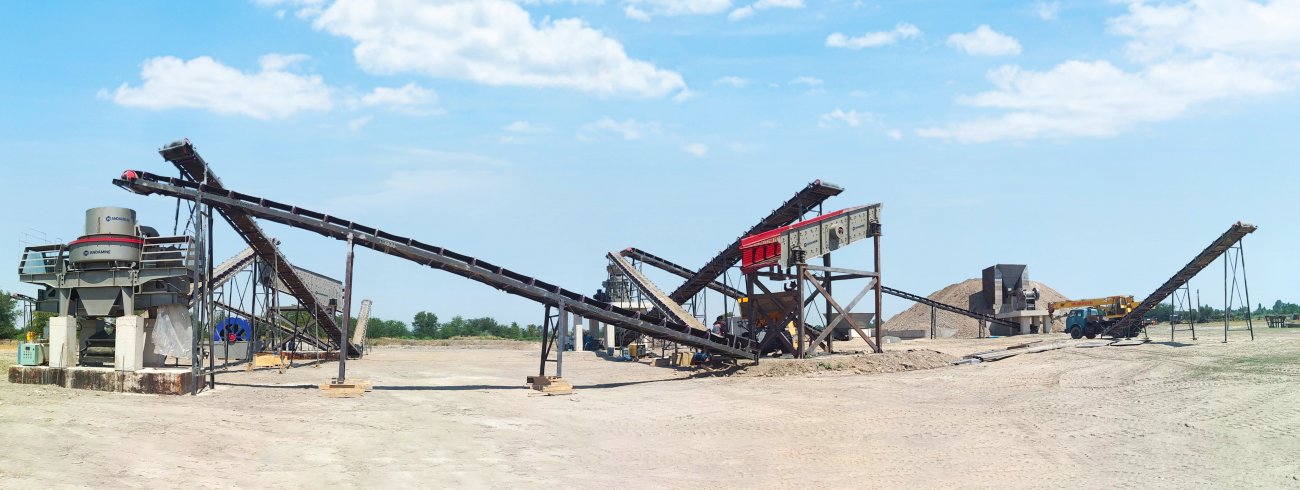
Configure Screens to Control Gradation and Circulating Load
Screening separates material into different size fractions so that each fraction can be directed to the appropriate processing stage. Oversized particles may return to the VSI crusher for further reduction, while material that meets the target size can move toward washing. This closed-circuit arrangement helps control product gradation and prevents finished-size particles from undergoing unnecessary crushing.
Screen selection should account for the required cut sizes, feed volume, material moisture, and the proportion of fine particles. A screen with insufficient effective area may allow too much oversize into the washing stage or cause excessive material to circulate back to the crusher. Either condition can reduce overall plant throughput.
Wet or clay-rich material may also cause screen openings to become blocked. Depending on the feed properties, operators may need to consider suitable screen media, spray bars, or a separate washing step before fine screening. The objective is to maintain reliable separation without adding unnecessary equipment or water consumption.
Screening performance should be evaluated together with crusher performance. If the finished sand contains too much coarse material, the cause may be an unsuitable screen cut size, excessive feed loading, or inconsistent crusher discharge. Adjusting the entire circuit is often more effective than changing the VSI crusher setting alone.
Select Sand Washers According to Contamination Levels
Sand washers remove unwanted materials such as clay, silt, and excess fine particles, depending on the equipment design and process conditions. The appropriate washing system depends on the cleanliness requirements of the final product and the properties of the incoming material. Relatively clean crushed rock may need less intensive washing than feed containing substantial clay or weathered material.
When configuring a sand washer, assess its processing capacity, water demand, feed size distribution, and ability to achieve the required cleanliness. Washing capacity must match the amount of material delivered by the screening system. If the washer is undersized, material may accumulate upstream or pass through too quickly for effective cleaning. If it is oversized relative to the plant’s actual needs, the additional investment and water demand may not provide a meaningful benefit.
Washing intensity also affects sand recovery. Removing excessive amounts of fine material can reduce saleable output, especially when the raw material already contains a useful proportion of fine aggregate. The target should be to remove undesirable contamination while retaining particles that meet the customer’s specifications.
Add Fine Sand Recovery and Water Recycling Where Needed
Fine sand recovery equipment can collect usable particles that would otherwise leave the washing process with wastewater. Hydrocyclones, dewatering screens, and related equipment may be incorporated according to the plant design and the amount of recoverable fines. This stage can improve product yield, reduce material loss, and help stabilize the moisture content of the finished sand.
However, fine sand recovery should be sized using actual process conditions. The quantity and size distribution of particles in the wastewater, slurry concentration, and required final moisture all influence performance. Recovering every fine particle is not necessarily the goal; the recovered material must still satisfy the final product specification.
Water recycling is another important consideration. Settling tanks or ponds and suitable treatment equipment can allow clarified water to return to the washing circuit. A well-planned recycling system reduces freshwater demand and limits wastewater discharge, although make-up water is generally still needed to replace losses in wet products, sludge, and evaporation.
Balance the Complete Plant for Reliable Output
The performance of a sand making and washing plant depends on the interaction between crushing, screening, washing, dewatering, and conveying. Each stage should be sized for the expected operating conditions rather than selected independently. The production line should also provide access for routine inspections, wear-part replacement, cleaning, and maintenance.
Before finalizing the configuration, review the maximum feed size, required finished sand output, product specifications, available water supply, site layout, electrical capacity, and local environmental requirements. Estimate the likely circulating load and material losses, and identify which stage is most likely to limit production. Where several sand grades are required, confirm that the screening and stockpiling arrangements can keep products separated.
During commissioning, operators should measure actual throughput, finished gradation, fine sand recovery, water consumption, and product moisture. These results provide a practical basis for adjusting crusher settings, screen openings, and washing conditions. Regular monitoring also helps identify developing problems before they affect the entire production line.
Conclusion
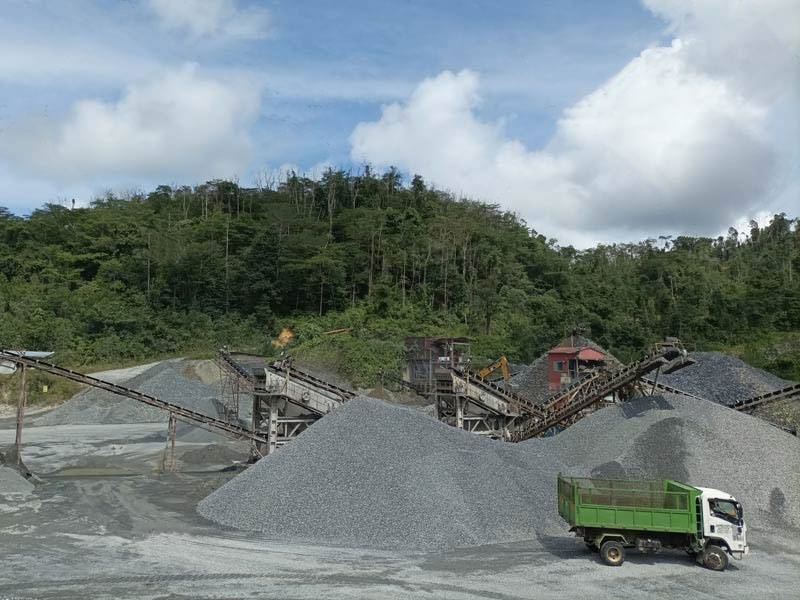
A productive sand making and washing plant combines suitable crushing technology, efficient screening, controlled washing, and effective fine sand recovery. Vertical shaft impact crushers help shape manufactured sand, screens regulate particle-size distribution, and sand washers remove unwanted contamination. The final configuration should reflect the raw material, required product quality, production target, and operating conditions rather than relying on individual equipment ratings.
Andamine provides crushing and screening equipment solutions for aggregate and manufactured sand production. For projects planning a new sand manufacturing plant or upgrading an existing line, its team can help assess material characteristics, production goals, and equipment compatibility to develop a configuration suited to the project’s requirements.