When evaluating a stone crushing plant for sale, buyers often focus on crusher capacity, screening equipment, and the number of crushing stages. However, the conveyor layout can also have a significant effect on overall plant efficiency. Conveyors connect crushers, screens, stockpiles, and other processing stages, so poor material flow can create bottlenecks even when the individual machines have sufficient capacity. A practical plant layout should therefore be designed around continuous material movement, transfer points, stockpile positions, and future operating requirements.
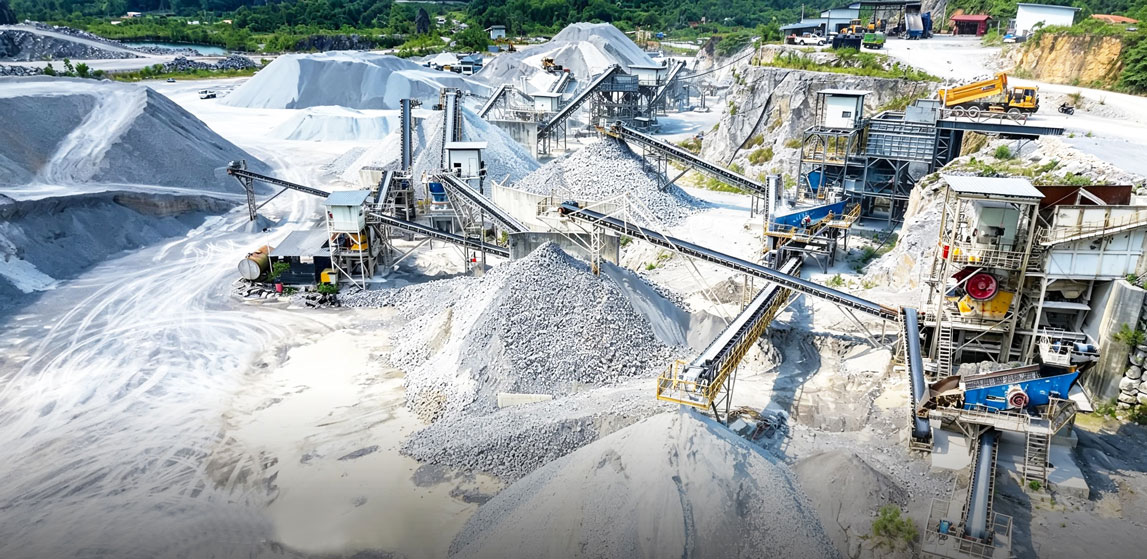
Why Material Flow Matters in a Stone Crushing Plant
A stone crushing plant for sale normally processes material through several stages, such as feeding, primary crushing, secondary or tertiary crushing, screening, and stockpiling. Each stage depends on the previous one delivering material at a suitable rate.
If the conveyor between two stages is undersized, poorly positioned, or frequently blocked, the crusher or screen may have to operate below its intended capacity. Conversely, unnecessarily long conveyor routes can increase equipment investment, power consumption, maintenance requirements, and material transfer points.
A basic material flow may look like:
Raw Stone → Feeder → Primary Crusher → Secondary Crusher → Screen → Finished Aggregate Stockpiles
The conveyor system should support this flow with as few unnecessary transfers and interruptions as practical.
How Conveyor Layout Influences Plant Efficiency
Conveyor layout affects more than material transportation. It influences how smoothly the entire crushing circuit operates.
- Material transfer: Proper conveyor positioning reduces unnecessary material handling between processing stages.
- Crusher utilization: Stable material delivery helps crushers maintain a consistent feed.
- Screen efficiency: Even feed distribution can improve screening performance and reduce overload.
- Stockpile management: Well-positioned discharge conveyors make it easier to separate and store different aggregate sizes.
- Maintenance access: Adequate space around conveyors and transfer points makes inspection and maintenance easier.
For this reason, conveyor design should be considered during the initial plant layout rather than added after the main equipment has already been selected.
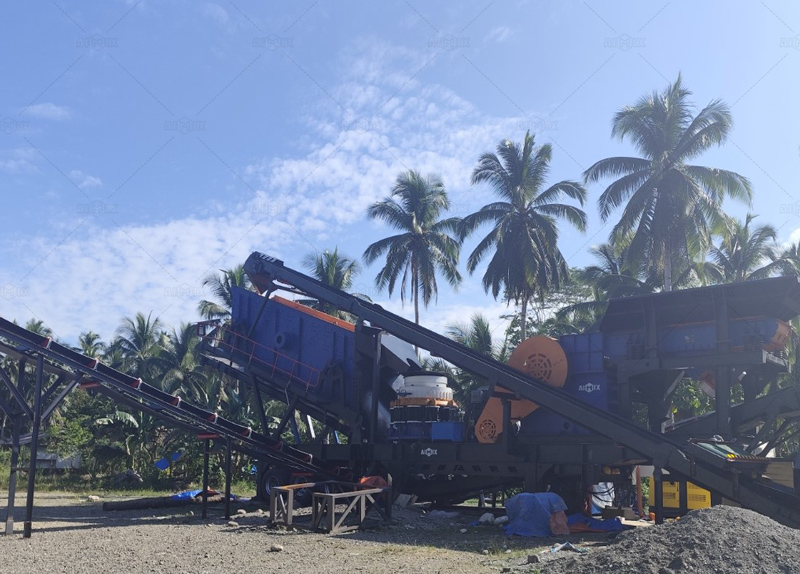
Design the Conveyor Layout Around the Crushing Process
The first step in designing material flow is to establish the required crushing process. A hard-rock project, for example, may use a jaw crusher for primary reduction, followed by a cone crusher and vibrating screen. A softer material may use an impact crusher instead.
Once the crushing stages are established, conveyors can be arranged to connect each stage according to the actual material flow.
For a typical multi-stage plant:
Hopper → Feeder → Jaw Crusher → Transfer Conveyor → Cone Crusher → Screen → Product Conveyors
If the screening stage operates in a closed circuit, an additional conveyor may return oversize material from the screen to the secondary crusher.
Screen Oversize → Return Conveyor → Secondary Crusher
This return route should be considered when determining the required conveyor capacity because recirculated material increases the amount of material moving through part of the circuit.
Minimize Unnecessary Transfer Points
Every transfer point creates another location where material can spill, generate dust, wear components, or require maintenance. Excessive transfers can also increase the vertical and horizontal distance that material must travel.
A more efficient layout generally keeps conveyors as direct as practical while maintaining safe access and suitable discharge positions. Transfer chutes should also be designed to guide material smoothly onto the receiving conveyor instead of allowing excessive impact or material accumulation.
This is particularly important when processing abrasive stone. Repeated impact at poorly designed transfer points can accelerate wear on chutes, conveyor belts, and other components.
Consider Conveyor Capacity and Material Recirculation
Conveyor capacity should be matched to the actual material flow rather than simply the rated capacity of the main crusher. In a closed-circuit plant, some material may pass through the crushing and screening stages multiple times before becoming a finished product.
For example, a plant producing several aggregate sizes may screen the crushed material into 0–5 mm, 5–10 mm, and 10–20 mm products while returning larger particles to the crusher. The conveyor carrying the return material must accommodate this additional load.
When planning a stone crusher plant setup cost, the conveyor system should therefore be included in the calculation along with crushers, screens, feeders, electrical systems, structural supports, installation, and other auxiliary equipment. A low initial equipment price does not necessarily mean a low total project cost if the material handling system is poorly matched to production requirements.
How Conveyor Layout Affects Stone Crusher Plant Setup Cost
Conveyor length, elevation, support structures, transfer towers, drives, belts, and electrical components all contribute to project investment. A complicated layout with long conveyors and multiple transfer points can increase both installation and operating costs.
However, minimizing conveyor length should not be the only objective. A slightly longer conveyor may provide better access, safer maintenance, easier stockpile management, or more flexible future expansion.
The practical goal is to balance:
- Material travel distance
- Conveyor capacity
- Elevation changes
- Number of transfer points
- Maintenance access
- Stockpile locations
- Future production requirements
This approach provides a more realistic basis for estimating the total stone crusher plant setup cost.
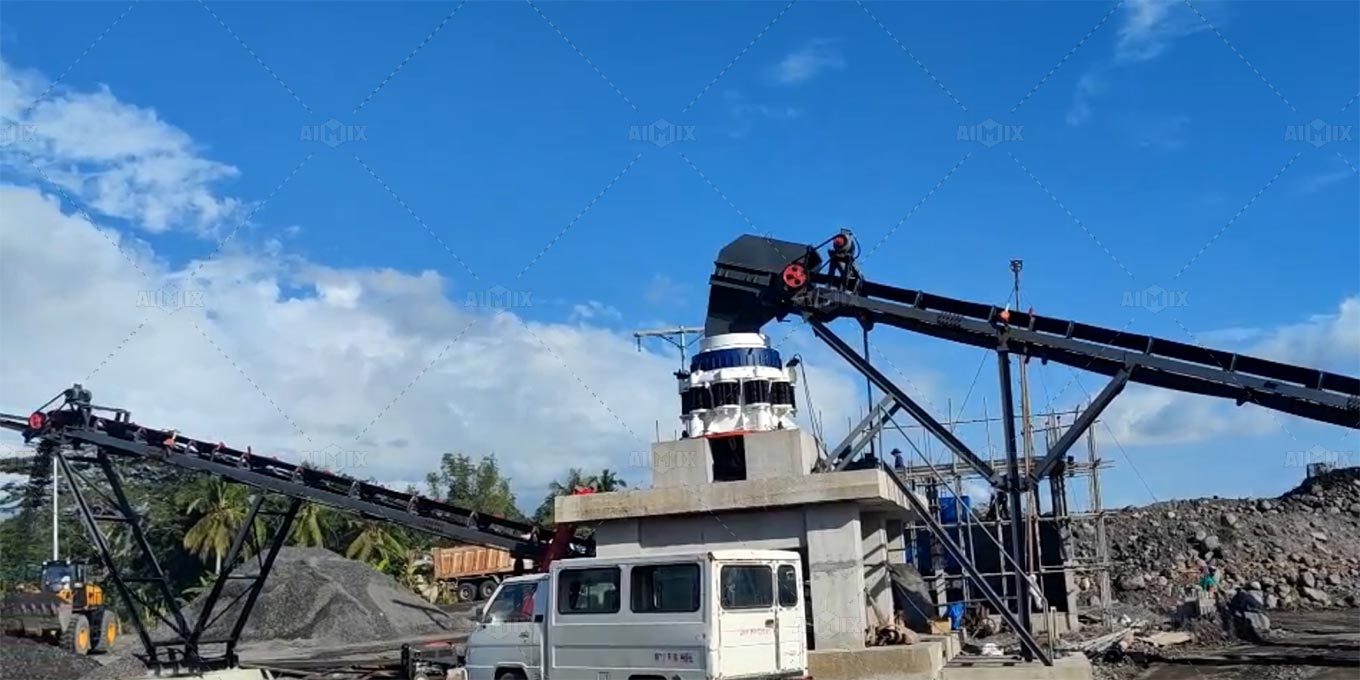
What to Consider When Planning a Stone Crushing Plant Business
A stone crushing plant business plan should consider material flow as part of production planning rather than treating conveyors as secondary equipment. The expected raw material supply, target production, aggregate specifications, stockpile capacity, and truck access all influence the plant layout.
For example, if a project requires several finished aggregate sizes, separate discharge conveyors and stockpile areas may be necessary. If trucks must frequently access the stockpiles, conveyor discharge positions should be arranged to reduce interference with loading and internal traffic.
Future expansion should also be considered. Leaving suitable space for an additional crusher, screen, conveyor, or stockpile can reduce the difficulty of modifying the plant later.
How to Set Up a Stone Crusher Plant With Efficient Material Flow
When determining how to set up a stone crusher plant, start with the material and finished product requirements rather than selecting machines independently.
- Define the feed material: Identify rock type, maximum feed size, hardness, abrasiveness, and expected feed variation.
- Set production targets: Establish required finished aggregate capacity and product sizes.
- Select the crushing process: Determine the appropriate primary, secondary, and tertiary crushing stages.
- Plan screening: Establish the number of finished products and whether oversize material will be recirculated.
- Map material flow: Position crushers, screens, conveyors, and stockpiles to create a practical process route.
- Check conveyor capacity: Include both normal feed and recirculated material when applicable.
- Evaluate access and maintenance: Ensure transfer points, drives, screens, and crushers can be safely inspected and serviced.
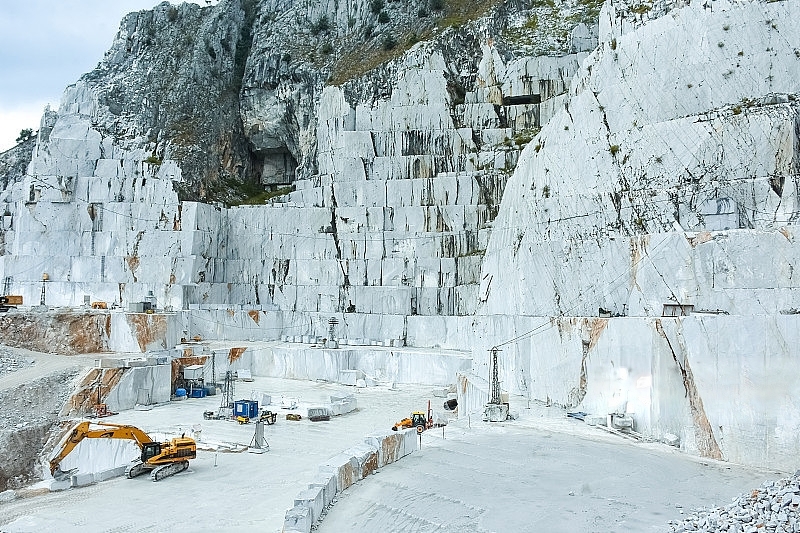
Build the Plant Around the Complete Material Flow
A stone crushing plant should be treated as one interconnected production system rather than a collection of individual machines. Crushers determine how material is reduced, screens determine how it is separated, and conveyors determine how efficiently material moves between these stages.
For anyone comparing a stone crushing plant for sale, conveyor layout should therefore be included in the technical and financial evaluation. A well-planned material flow can reduce unnecessary handling, support stable crusher and screen operation, simplify stockpile management, and provide a more practical foundation for long-term production.