The price of construction equipment in Nigeria depends on more than its advertised selling figure. Import expenses, exchange-rate movements, regional demand, machine specifications, and after-sales support all influence the final amount a buyer may pay. For contractors working on roads, residential developments, commercial buildings, or remote construction sites, understanding these variables helps establish a realistic purchasing budget.
The Nigerian market also presents different requirements across project locations. A contractor operating in Lagos may prioritize delivery speed and access to technical support, while a company working on a rural infrastructure project may place greater emphasis on mobility and independent concrete production. These distinctions affect equipment selection and ownership costs. Evaluating local market conditions therefore provides a more reliable basis for comparing quotations than relying on a single advertised price of self loading concrete mixer.
Local Construction Demand and Regional Market Conditions
Infrastructure Projects and Private Construction
Nigeria’s construction sector includes road rehabilitation, housing developments, industrial facilities, commercial buildings, and infrastructure projects. Each application creates different requirements for concrete production equipment.
A contractor handling several small building projects may need a compact machine that can move between sites. Larger contractors working on extensive foundations or road construction may prefer higher-capacity equipment to maintain a more consistent concrete supply. When demand for suitable machinery increases, supplier availability, delivery schedules, and promotional terms can also change.
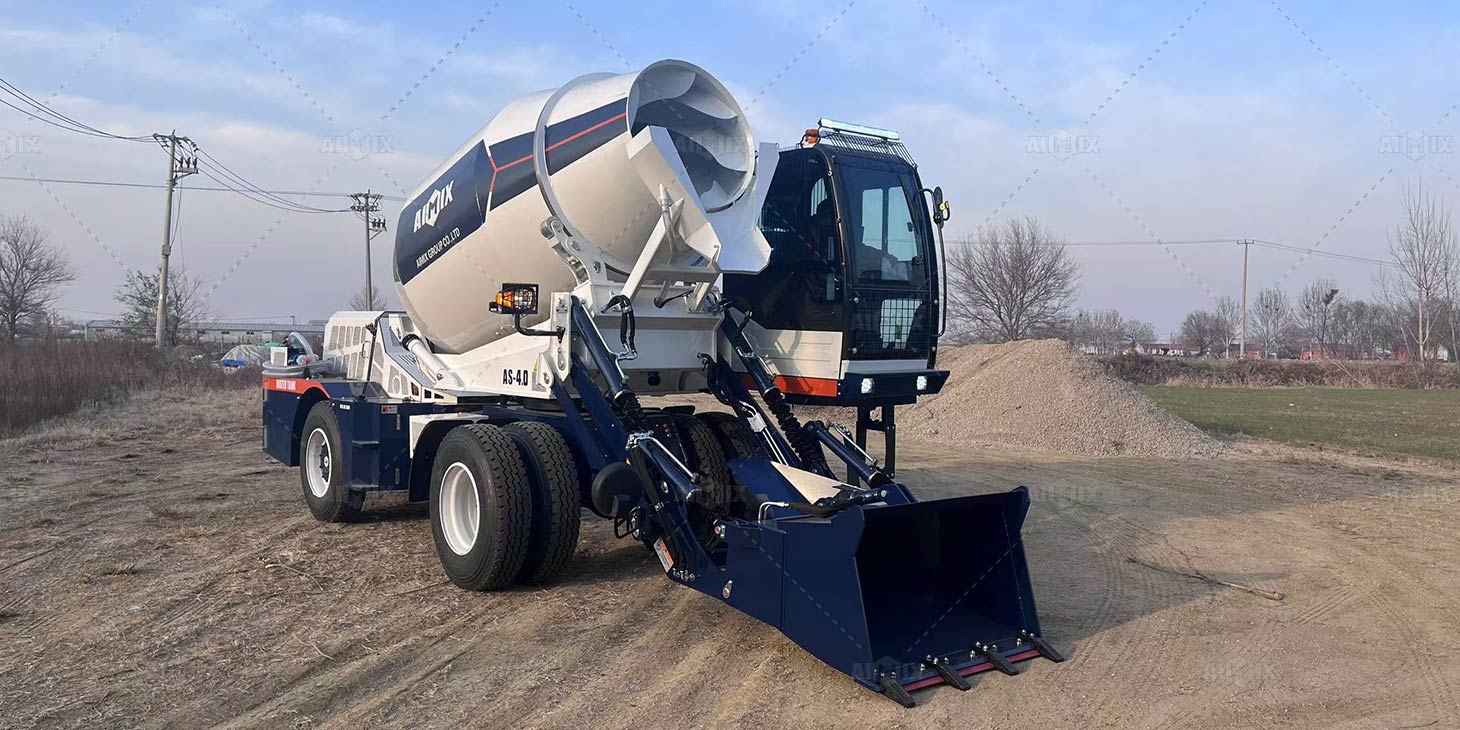
The self loading mixer combines aggregate loading, weighing, mixing, and concrete transportation within one machine. This configuration can reduce dependence on separate loading equipment and improve flexibility on projects where ready-mixed concrete deliveries are inconvenient.
Location and Equipment Availability
Market conditions vary between major commercial centers and remote construction areas. Buyers near established equipment dealers may have more opportunities to inspect machines, obtain replacement parts, and arrange maintenance.
In locations farther from major supply centers, transportation and technician travel can add to ownership expenses. Consequently, two contractors purchasing the same model may face different total costs because their delivery distances, service arrangements, and operating environments differ.
Import Costs, Exchange Rates, and Customs Duties
Currency Fluctuations and International Shipping
Imported machinery is often priced in foreign currency, making exchange rates an important consideration for Nigerian buyers. When the naira weakens against the currency used for the transaction, the local-currency equivalent of the self loading price rises, even if the supplier maintains the same quotation.
International freight, marine insurance, port handling, and inland transportation can further increase the delivered cost. Shipping arrangements also matter. A quotation covering delivery to a Nigerian port may exclude expenses incurred after arrival, whereas a more comprehensive quotation may include additional logistics services.
For this reason, anyone researching the self loading concrete mixer price in Nigeria should establish whether the quoted amount covers the machine only, delivery to the port, or transportation to the final project site.
Customs Clearance and Import Procedures
Customs duties, applicable taxes, inspection charges, and clearance fees depend on the equipment’s classification, declared value, and prevailing Nigerian regulations. These expenses should be confirmed with a qualified customs broker or relevant authority before the purchase is finalized.
Import documentation and clearance arrangements can also affect delivery time. Delays may create additional storage or handling expenses, particularly when documentation is incomplete or shipping schedules change.
A detailed landed-cost calculation is therefore more useful than comparing supplier prices without considering import-related charges.
Equipment Specifications and Configuration
Capacity, Engine Performance, and Hydraulic Systems
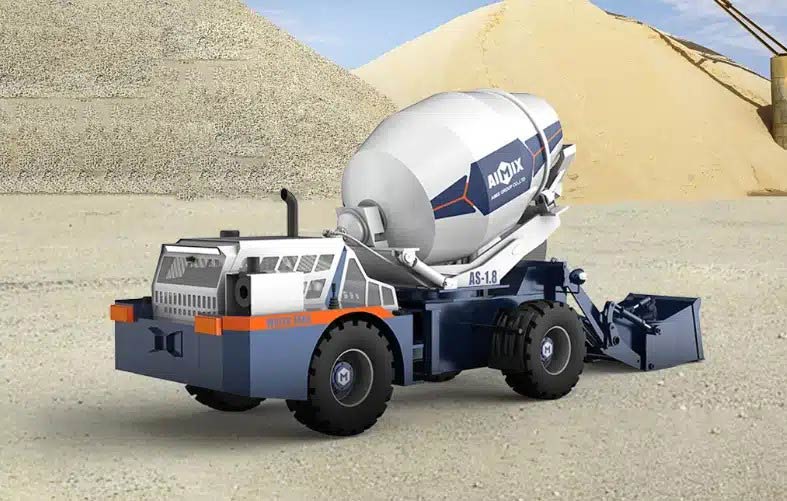
Machine specifications are among the most direct influences on purchase price. Smaller models generally require less investment than larger machines with greater mixing capacity, stronger power systems, or more advanced hydraulic configurations.
Buyers should examine effective mixing output, bucket capacity, engine power, transmission, four-wheel-drive capability, and drum rotation. These features influence how the machine performs under local working conditions.
For example, a project involving uneven access roads or dispersed construction locations may benefit from four-wheel drive and suitable gradeability. A compact machine may be sufficient for smaller concrete pours, while a higher-output model may better serve contractors with frequent daily production requirements.
The objective is not to purchase the largest available machine. It is to select a configuration that matches the required output, site conditions, and operating schedule.
New Equipment Versus Used Machinery
Used machines may offer a lower initial purchase price, but their condition requires careful assessment. Engine wear, hydraulic leakage, transmission performance, drum condition, and the availability of replacement components can influence future maintenance expenses.
New equipment may provide clearer warranty terms and a more predictable maintenance starting point, depending on the supplier’s policies. Buyers comparing the price of self loading mini concrete mixer options should therefore evaluate the machine’s condition, included accessories, warranty coverage, and expected service requirements alongside the quoted amount.
Dealer Support, Spare Parts, and Operating Costs
After-Sales Service and Parts Availability
Reliable technical support is particularly important when equipment operates far from major service centers. A minor hydraulic fault or unavailable replacement component can interrupt concrete production and affect the wider construction schedule.
Before placing an order, buyers should ask whether the supplier can provide troubleshooting assistance, maintenance guidance, spare-parts delivery, and technician support. They should also clarify warranty exclusions and the availability of commonly replaced components.
A lower quotation may not represent the better purchase if essential parts are difficult to obtain or service arrangements are unclear.
Fuel Consumption and Routine Maintenance
Purchase price represents only one component of ownership cost. Fuel consumption, lubricants, tires, filters, hydraulic maintenance, operator training, and scheduled servicing contribute to expenditure throughout the machine’s working life.
Operating conditions matter. Long working hours, rough terrain, inadequate maintenance, and inconsistent material handling can increase wear and reduce productivity.
Contractors should estimate operating costs using realistic daily working hours and expected concrete demand. This approach makes it easier to determine whether a higher-priced machine offers sufficient practical benefits to justify the additional investment.
How to Evaluate the Price Before Purchasing
Compare Quotations on an Equal Basis
A useful comparison begins with quotations covering equivalent specifications and delivery conditions. Buyers should check the following items:
Machine model, effective mixing capacity, and principal specifications.
Whether the quotation includes freight, insurance, and inland delivery.
Applicable import charges and customs clearance expenses.
Warranty conditions, spare-parts support, and technical assistance.
Payment terms, delivery schedule, and included accessories.
Comparing these details prevents differences in quotation scope from being mistaken for differences in equipment value.
Match Investment to Project Requirements
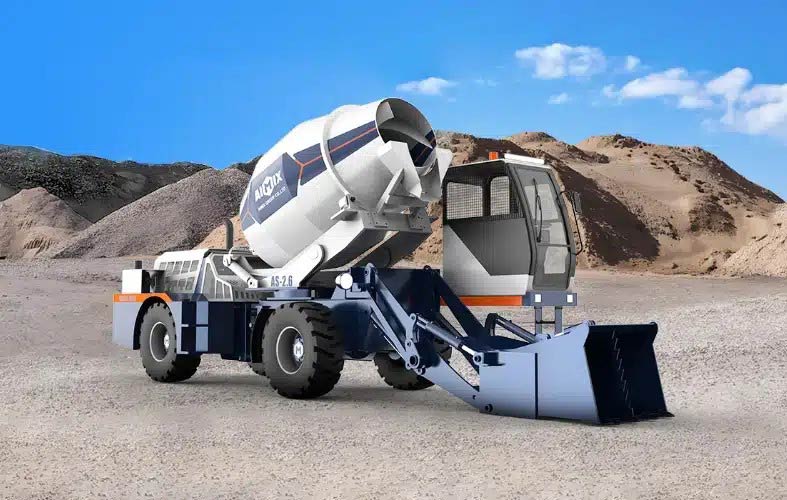
A self loader concrete mixer can be particularly useful when a project needs on-site concrete production, frequent relocation, and reduced dependence on separate loading machinery. However, its suitability depends on the required output, material supply, access conditions, and daily operating schedule.
Contractors should estimate how much concrete they need to produce, how frequently the machine will move, and how long it is expected to remain in service. These factors help determine an appropriate capacity and establish a practical ownership budget.
Conclusion
Local construction demand, exchange rates, import expenses, machine specifications, and after-sales support all shape self-loading mixer purchasing decisions in Nigeria. The final cost also depends on delivery location and the equipment’s operating requirements.
Rather than selecting a machine solely by its advertised price, buyers should compare equivalent specifications, calculate the landed cost, and assess expected operating expenses. A well-matched machine can support dependable concrete production while helping contractors manage investment and project schedules more effectively.