Finding a suitable portable rock crusher for sale in a high-altitude region requires more than comparing rated capacity and equipment price. At elevated sites, low air density, steep terrain, transportation restrictions, and changing weather conditions can affect crushing performance, equipment reliability, and operating costs. A machine that performs well at a low-altitude quarry may not deliver the same results in mountainous areas. Therefore, buyers should evaluate both the local operating environment and the characteristics of the raw material before selecting a crushing system.
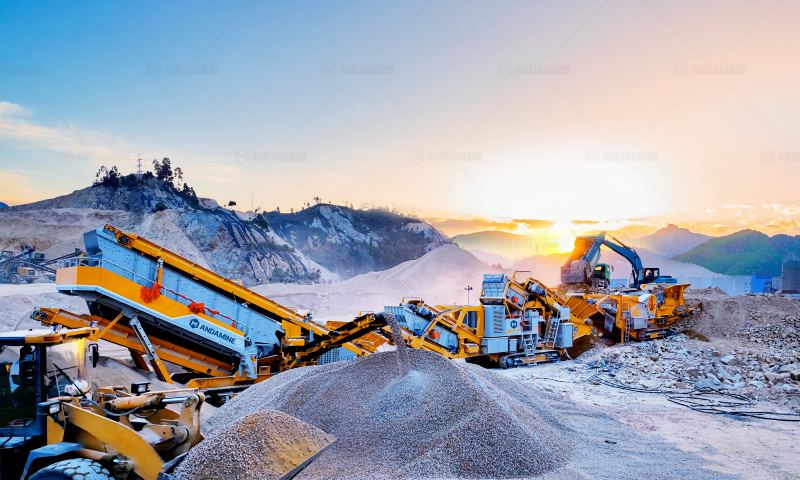
How High Altitude Affects Portable Rock Crushing Operations
High-altitude environments create several operating challenges that influence equipment selection and plant configuration. The most important factors include:
- Reduced air density: Lower atmospheric pressure reduces the amount of oxygen available for combustion. Diesel-powered equipment may experience reduced engine output unless the engine and control system are suitable for high-altitude operation.
- Temperature fluctuations: Mountainous regions can experience significant temperature differences between daytime and nighttime. These changes may affect hydraulic oil viscosity, lubrication, battery performance, and equipment starting.
- Steep and uneven terrain: Slopes, narrow access roads, and unstable ground make equipment transportation, positioning, and relocation more complicated.
- Limited maintenance access: Remote sites may be far from spare-parts suppliers and technical service teams, increasing the consequences of unexpected equipment downtime.
These conditions should be considered during the initial project assessment rather than after the crusher arrives at the site. For example, a diesel-powered portable stone crusher may require an engine configuration suitable for the site’s elevation, while its chassis and support structure must accommodate the available working surface.
Choose a Portable Rock Crusher Based on Terrain and Mobility
The choice between wheeled and tracked equipment depends largely on transportation conditions and how frequently the crushing plant needs to move.
Wheeled Portable Crushers
Wheeled crushers are suitable for projects with relatively accessible roads, prepared working areas, and occasional equipment relocation. Their trailer-mounted structure can simplify transportation between established quarry sites or construction projects. However, steep access roads, sharp turns, and limited turning space may require additional transport planning.
Tracked Portable Crushers
Tracked crushers are often more suitable for uneven working surfaces and projects where the machine must move around the crushing area. Their crawler undercarriage provides self-propelled mobility and reduces dependence on external towing during on-site relocation. This can be valuable in mountainous quarries where working positions change as excavation progresses.
Nevertheless, tracked equipment is not automatically suitable for every mountain road. Buyers should check machine dimensions, operating weight, ground pressure, climbing limitations, and transportation arrangements. A crawler chassis improves movement around a site, but it does not eliminate road-access restrictions.
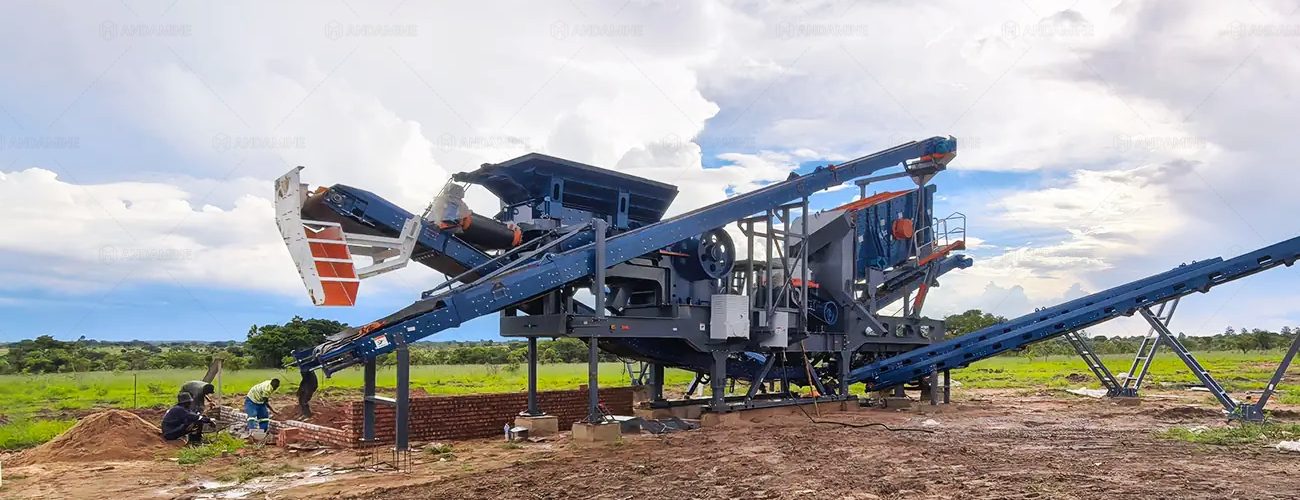
Design Crushing Equipment for Different Rock Types
Rock characteristics are just as important as altitude when selecting a crushing system. Hardness, abrasiveness, feed size, moisture content, and required product gradation determine the appropriate crusher type and process arrangement. A reliable crusher machine company should evaluate these factors before recommending a configuration instead of relying only on the requested hourly capacity.
- Granite and basalt: These hard, abrasive rocks commonly require a jaw crusher for primary reduction and a cone crusher for secondary crushing. Wear-resistant liners and suitable crushing chamber designs are important for controlling maintenance costs.
- Limestone: Limestone is generally easier to crush than granite or basalt. Depending on its hardness and final product requirements, a jaw crusher followed by an impact crusher may provide an appropriate processing arrangement.
- River stone: River stones are often rounded, hard, and abrasive. A jaw-and-cone combination can handle primary and secondary reduction, while screening equipment separates the required aggregate sizes.
- Mixed or weathered rock: Variable feed characteristics may require additional screening or adjustable crusher settings to maintain consistent product quality.
To design crushing equipment for different rock types, engineers should consider the complete production process rather than selecting an individual machine in isolation. The feed opening must accommodate the largest expected material, the crushing chamber must suit the rock properties, and the screening system must match the target product specifications.
Evaluate Power Systems and Equipment Performance
Power configuration deserves particular attention at high elevations. Diesel engines can lose available power as air density decreases, although the actual performance impact depends on engine design, turbocharging, electronic controls, and altitude compensation. Buyers should request the manufacturer’s applicable altitude operating limits and derating information.
Electric-powered crushing equipment may be an alternative where a stable power supply is available. It can reduce dependence on individual diesel engines and simplify some aspects of energy management. However, remote mountain sites may lack sufficient grid capacity, making generators or other power infrastructure necessary.
Regardless of the power source, the entire system must be evaluated. Conveyors, feeders, hydraulic units, screens, and dust-control equipment all contribute to total power demand. Selecting a crusher based only on its main motor rating can result in an undersized power supply or production bottlenecks.
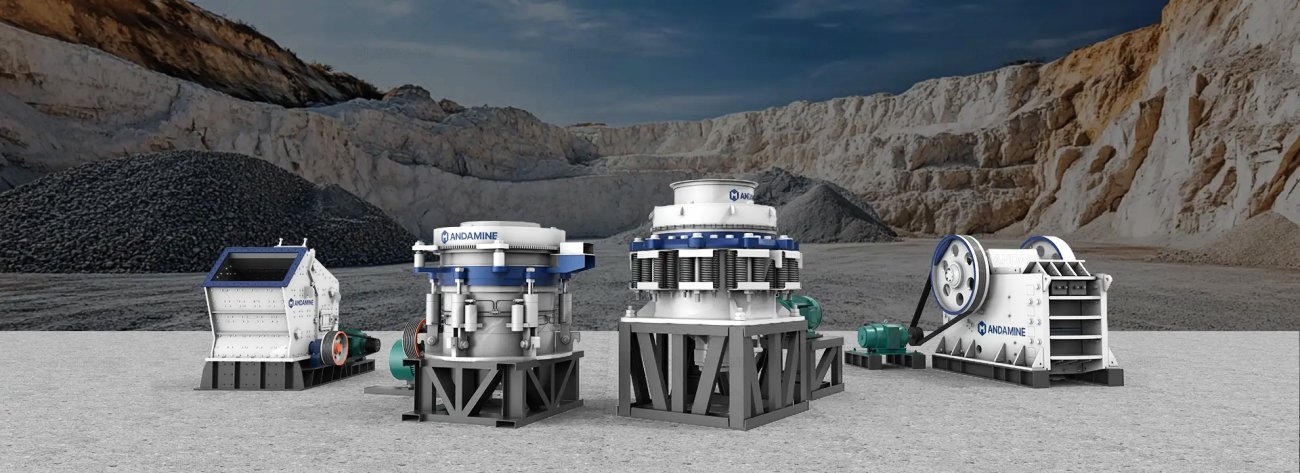
Plan Transportation, Installation, and Maintenance Before Purchasing
High-altitude projects often involve narrow roads, bridges with weight restrictions, and limited space for equipment assembly. Before purchasing a portable rock crusher for sale, confirm the transportation dimensions and weight of each major component. Check whether the equipment can reach the site in one piece or requires partial disassembly and separate transport.
Site preparation is equally important. The crusher should operate on a stable, appropriately graded foundation or working platform. Adequate space is needed for feeding, stockpiling, conveyor discharge, maintenance access, and safe equipment movement. On steep terrain, drainage and ground stability should also be assessed to reduce the risk of erosion or equipment displacement.
Maintenance planning should account for the site’s distance from service facilities. Useful preparations include:
- Keeping critical wear parts, filters, belts, and hydraulic components available on site.
- Establishing inspection schedules for bearings, lubrication systems, conveyors, and crusher liners.
- Checking hydraulic oil and lubricant specifications against the local temperature range.
- Providing operator training and clear procedures for shutdown, troubleshooting, and emergency response.
How to Evaluate a Supplier for High-Altitude Crushing Projects
Choosing a supplier involves more than comparing quotations. An experienced crusher machine company should be able to assess site conditions, material properties, production targets, and transportation limitations before proposing equipment. Buyers should ask for technical documentation covering altitude-related engine performance, power requirements, machine dimensions, and operating limitations.
It is also important to evaluate engineering support and spare-parts availability. A portable crushing plant operating in a remote mountain region may face longer repair delays than equipment at an accessible quarry. Reliable technical assistance, clear maintenance instructions, and a practical spare-parts plan can therefore have a direct impact on production continuity.
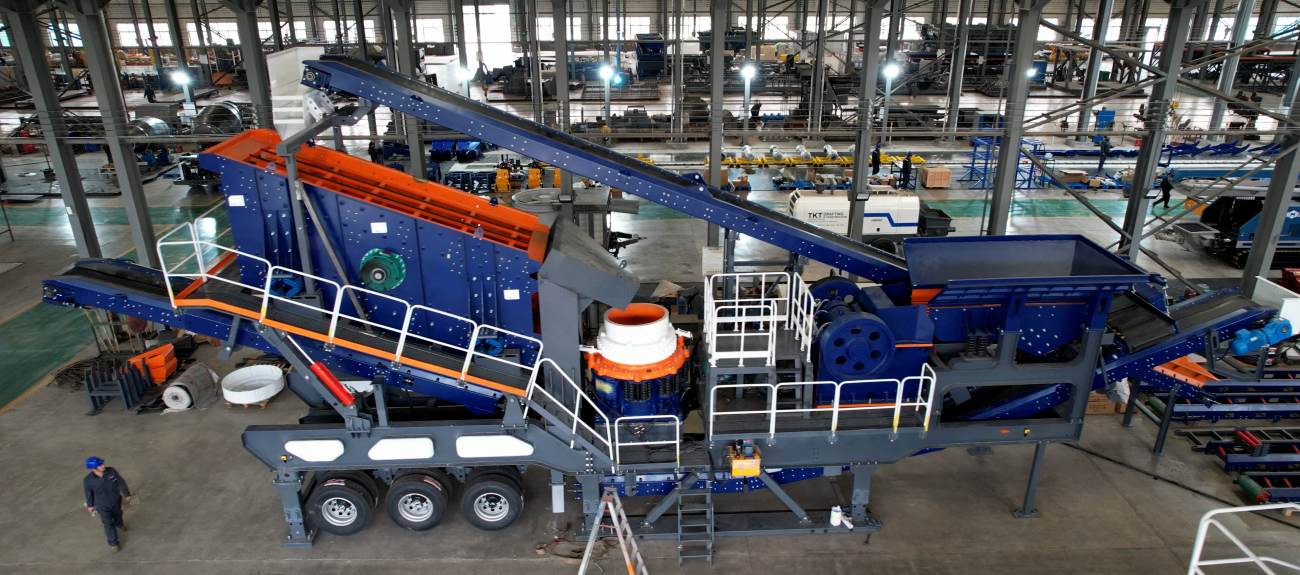
Match Equipment Selection to Real Site Conditions
A successful high-altitude crushing operation depends on matching equipment performance to the combined demands of elevation, terrain, rock properties, and production requirements. Before purchasing, confirm the actual feed size, required aggregate gradation, expected daily output, available power supply, and transportation route. These details help determine whether a wheeled or tracked portable stone crusher, and which crushing stages, will provide the most practical solution.
Rather than choosing equipment based on rated capacity alone, compare its expected output, operating limitations, maintenance requirements, and cost per ton under actual site conditions. Contact an experienced crushing equipment supplier to discuss your material samples, project elevation, and production targets. A properly engineered configuration can help reduce operating risks and maintain reliable aggregate production in demanding mountainous environments.