After a flood, earthquake, landslide, hurricane, or other natural disaster, road construction has a different priority. Contractors do not simply need a new road. They need to restore access as quickly as possible. Emergency routes may connect hospitals, damaged bridges, evacuation areas, ports, villages, and construction sites. At the same time, existing asphalt suppliers may be too far away, damaged, or unable to meet the sudden increase in demand.
This is where an asphalt mixing plant portable can become a practical solution. It allows contractors to produce hot mix asphalt closer to the damaged road instead of depending entirely on a distant commercial asphalt plant. However, portability alone does not guarantee a successful disaster-recovery project. The contractor still needs to consider production capacity, aggregate supply, fuel, power, transport access, site conditions, asphalt quality, relocation time, and project duration.
So, can a portable asphalt plant support road construction after natural disasters? Yes, in many situations, especially when the project needs rapid asphalt production in a location where conventional supply is unreliable or too far away. The key is to match the plant configuration with the actual recovery project rather than choosing capacity based only on the largest possible output.
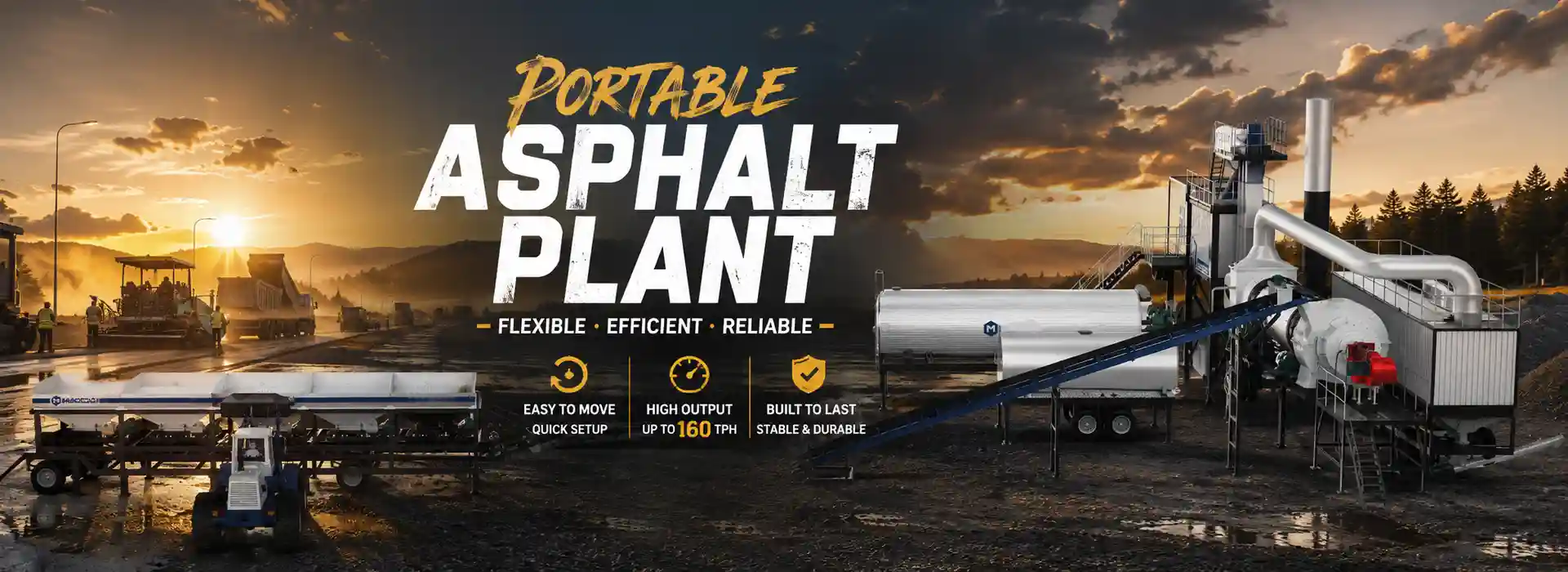
Why Natural Disasters Create Special Asphalt Supply Problems
Before choosing equipment, it is important to understand why conventional asphalt supply can become difficult after a disaster. The problem often starts with logistics rather than paving technology.
A damaged road network can interrupt truck routes between an asphalt plant and the construction site. Floodwater can close bridges. Landslides can block mountain roads. Earthquakes can damage industrial facilities and utilities. Storms can also create fuel shortages and traffic restrictions.
Therefore, a contractor may face several problems at the same time:
- The nearest commercial asphalt plant may be too far from the damaged road.
- Asphalt delivery trucks may spend too much time traveling.
- Existing asphalt suppliers may prioritize their regular customers.
- Road access may change from day to day.
- Temporary repair projects may require asphalt at short notice.
- Power and water infrastructure may not operate normally.
- Several damaged road sections may require work at different locations.
Consequently, disaster recovery often requires a more flexible asphalt production strategy. Instead of asking only, “How much asphalt do we need?”, contractors should also ask, “Where can we produce it reliably?”
How A Portable Asphalt Plant Helps During Road Recovery
A portable asphalt plant changes the relationship between asphalt production and the construction site. Instead of moving large quantities of finished asphalt over long distances, the contractor can move the production equipment closer to the aggregate supply and paving area.
This approach can reduce dependence on a fixed asphalt supplier. It can also make production easier to adjust when the project moves from one damaged road section to another. Contractors should still evaluate the supplier’s manufacturing capability, technical support, spare parts, installation service, and experience with similar projects when selecting an asphalt plant supplier.
Moreover, mobility does not mean every plant can move immediately. The actual relocation process depends on plant design, transport regulations, lifting requirements, site preparation, utility connections, and commissioning. Therefore, mobility should be evaluated as a complete process rather than as a marketing label.
1. Shorter Asphalt Hauling Distances
Distance matters because hot mix asphalt must reach the paving site within a suitable temperature range and time window. Long transportation distances increase exposure to traffic delays, weather conditions, and heat loss.
For example, a contractor repairing a remote mountain road may find that a commercial asphalt plant is located many hours away. Even if the supplier has enough production capacity, the delivery cycle can become inefficient.
A portable plant can be positioned closer to the project when site access, aggregate supply, and environmental requirements allow it. This does not eliminate transportation, but it can shift the main transport task from finished asphalt to raw materials.
As a result, the contractor can build a more controllable supply chain around the damaged road.
2. Faster Response To Changing Work Areas
Disaster recovery rarely follows a perfectly predictable construction schedule. One road may become the priority today, while another route becomes more important tomorrow.
A mobile asphalt plant is useful in this environment because mobility can support phased construction. Contractors can select a temporary production location for one work zone and later relocate the plant when the recovery program changes.
However, contractors should not assume that every mobile plant can move immediately from one location to another. The actual relocation process depends on transport regulations, site conditions, equipment configuration, and the level of disassembly required.
Therefore, the contractor should compare the expected number of relocations with the time and cost of each move before making a purchase decision.
What Type Of Disaster Recovery Project Fits A Portable Asphalt Plant?
Not every emergency road project needs its own asphalt plant. The strongest business case usually appears when the project has enough asphalt demand and enough logistical difficulty to justify local production.
Several project scenarios are particularly suitable.
| Disaster Recovery Situation | Main Challenge | Why A Portable Plant May Help |
|---|---|---|
| Flood-damaged rural roads | Long transport routes and damaged bridges | Local asphalt production can reduce dependence on distant suppliers |
| Earthquake road reconstruction | Unstable logistics and multiple damaged sections | Flexible production can support phased repair work |
| Landslide-affected mountain roads | Difficult access and long hauling distances | A plant can be positioned closer to suitable aggregate sources |
| Storm or hurricane recovery | Large quantities of emergency repair work | Continuous local production can support intensive paving schedules |
| Remote infrastructure recovery | No nearby commercial asphalt supplier | On-site or near-site production can improve supply independence |
In contrast, a small repair project requiring only a limited amount of asphalt may not justify mobilizing a complete plant. In that case, buying asphalt from an existing supplier may remain simpler.
Therefore, project scale and logistics should always be considered together.
How Much Asphalt Production Capacity Is Needed?
Production capacity is one of the most important decisions. A plant that is too small may create a bottleneck for the paving team. A plant that is much larger than the actual demand may increase capital, fuel, staffing, and logistics requirements without providing enough additional value.
For disaster recovery, contractors can start with the expected daily asphalt requirement and then work backward to the required hourly capacity.
For example, suppose a project needs approximately 600 tonnes of asphalt per day. If the plant operates effectively for 10 production hours per day, the theoretical average requirement is about 60 tonnes per hour.
However, the contractor should not select a 60 TPH plant automatically. Production interruptions, material loading, maintenance, truck changes, weather, and paving coordination can reduce actual output.
A practical selection process is:
- Estimate the total asphalt quantity.
- Determine the required completion period.
- Calculate the target daily production.
- Estimate realistic operating hours per day.
- Allow reasonable operating margin.
- Check whether trucks and paving equipment can consume the output.
The final point is often overlooked. A 120 TPH asphalt plant does not automatically make a project faster if the site only has enough trucks and paving capacity to consume 60 TPH.
Match Plant Output With The Paving Team
Disaster recovery works as a chain. The aggregate supply, asphalt plant, storage, trucks, paver, rollers, and road crew must work together.
If the asphalt plant produces faster than trucks can transport the mix, the plant may need to stop or hold material. If trucks arrive faster than the paver can place asphalt, the trucks may queue. If the plant produces too slowly, the paving operation may lose continuity.
Therefore, the best portable asphalt plant is not necessarily the plant with the highest rated capacity. It is the plant that creates a balanced production and paving system.
What Site Conditions Should Contractors Check?
After a disaster, choosing a plant location requires more attention than normal. A site that looked suitable before the disaster may no longer be safe or accessible.
Contractors should check the following factors before mobilization.
Road Access
Heavy equipment, aggregate trucks, fuel vehicles, and asphalt trucks must reach the plant. A narrow temporary road may limit equipment transport even if the plant itself is portable.
Ground Conditions
Flooding, soft soil, landslides, and erosion can create serious foundation and stability problems. The plant area needs suitable ground conditions and adequate drainage.
Aggregate Availability
Local aggregate availability can strongly influence plant location. If quality aggregate is available close to the damaged road, positioning the asphalt plant nearby may improve overall logistics.
Fuel And Power
Portable does not mean independent of utilities. Drying and heating aggregates require significant thermal energy. The control system and auxiliary equipment also require electrical power.
Contractors should confirm fuel availability and generator requirements before equipment arrives.
Water And Environmental Conditions
Water management, dust control, emissions, drainage, and local environmental requirements still matter during emergency construction. Disaster status may change project priorities, but it does not automatically remove environmental or safety responsibilities.
Can A Portable Asphalt Plant Produce Consistent Asphalt Quality?
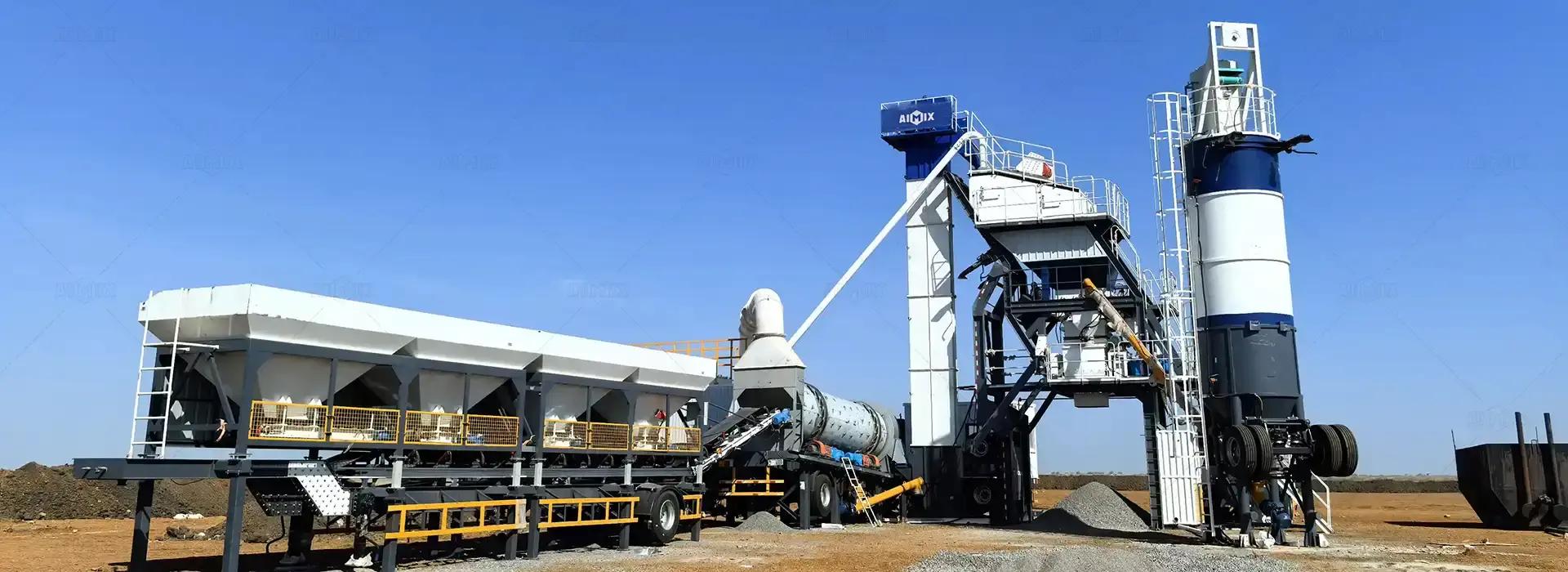
Yes. A properly configured portable asphalt plant can produce consistent hot mix asphalt, provided the contractor controls the mix design, aggregate gradation, moisture, temperature, bitumen dosage, and operating parameters.
This is especially important during emergency road repair. A fast paving schedule is not useful if the asphalt quality causes early pavement failure.
Contractors should pay close attention to aggregate moisture because wet aggregate increases the energy required for drying and heating. After floods or heavy rainfall, moisture can become a major operational issue.
The asphalt mix also needs to follow the project specification. The plant should therefore provide accurate aggregate feeding, controlled bitumen dosing, effective mixing, and suitable temperature monitoring.
In other words, speed should support quality rather than replace it.
How Does A Portable Asphalt Plant Affect Disaster Recovery Costs?
The economic benefit depends on the project conditions. A portable asphalt plant involves equipment investment, transport, installation, fuel, labor, maintenance, and site preparation. Therefore, comparing the purchase price with the price of commercial asphalt alone does not provide a complete answer.
Instead, contractors should compare the total delivered asphalt cost.
Consider The Full Logistics Chain
A useful calculation includes:
- Cost of purchased asphalt or asphalt production.
- Aggregate transportation distance.
- Finished asphalt hauling distance.
- Truck waiting time.
- Fuel consumption.
- Plant operation and maintenance.
- Labor requirements.
- Mobilization and relocation costs.
- Expected utilization period.
For a short emergency project close to a reliable commercial asphalt plant, buying asphalt may still be the better choice.
On the other hand, a large recovery program in a remote region can produce a different result. If hundreds or thousands of tonnes of asphalt must travel a long distance every day, local production may provide a stronger economic case.
Portable Asphalt Plant Vs. Buying Asphalt From A Local Supplier
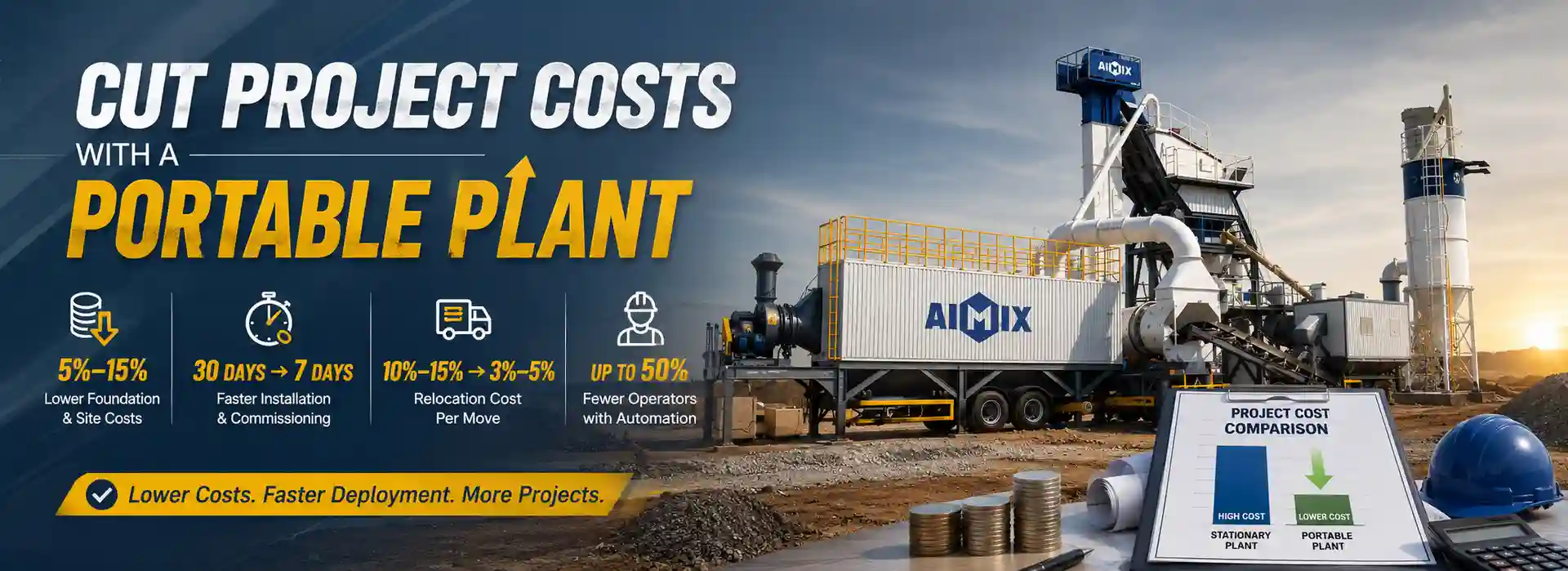
The decision becomes clearer when contractors compare the two supply strategies directly. The broader asphalt plant selection should be based on production needs, site conditions, mobility requirements, and the expected operating period.
| Factor | Portable Asphalt Plant | Commercial Asphalt Supplier |
|---|---|---|
| Supply control | Higher control over production scheduling | Depends on supplier availability |
| Remote projects | Potentially strong option | May face long hauling distances |
| Initial investment | Higher | Lower |
| Large recovery programs | Can become attractive | Depends on supplier capacity |
| Short small repairs | May not be economical | Often simpler |
| Multi-location projects | Mobility can provide flexibility | Supply routes may need to change |
Therefore, contractors should treat a portable asphalt plant as a project logistics solution, not simply as another piece of construction equipment.
What Should Be Included In A Disaster-Ready Asphalt Plant Setup?
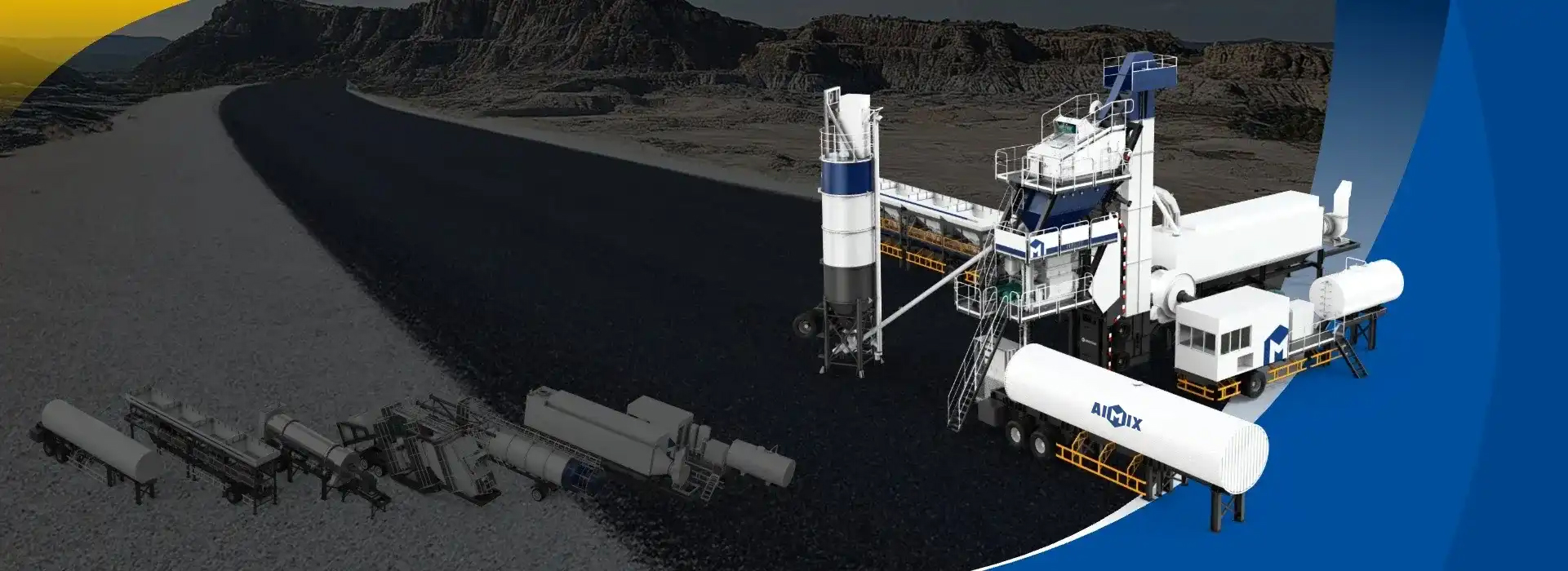
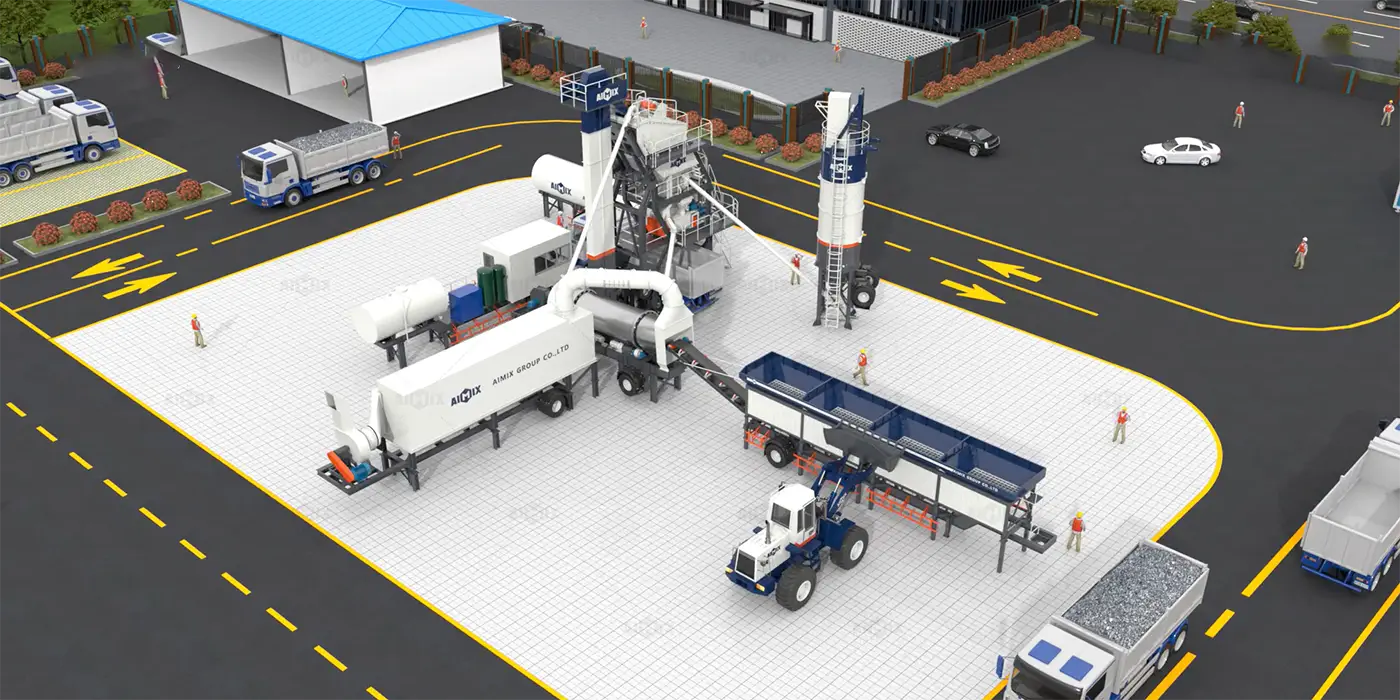
A reliable emergency asphalt production system needs more than the main mixing unit. The supporting equipment determines how smoothly the entire operation works.
Aggregate Feeding And Storage
The plant needs a reliable system for receiving and feeding different aggregate sizes. Stockpile organization also matters because poor aggregate management can interrupt production.
Drying And Heating
The drying system must handle the expected aggregate moisture and production rate. This becomes particularly important after flooding or heavy rainfall.
Bitumen Storage And Dosing
Bitumen supply must match production demand. Accurate dosing helps maintain the required mix proportions.
Dust Collection
Dust control remains important even during emergency work. The plant should include a suitable dust collection system and operate according to local requirements.
Control System
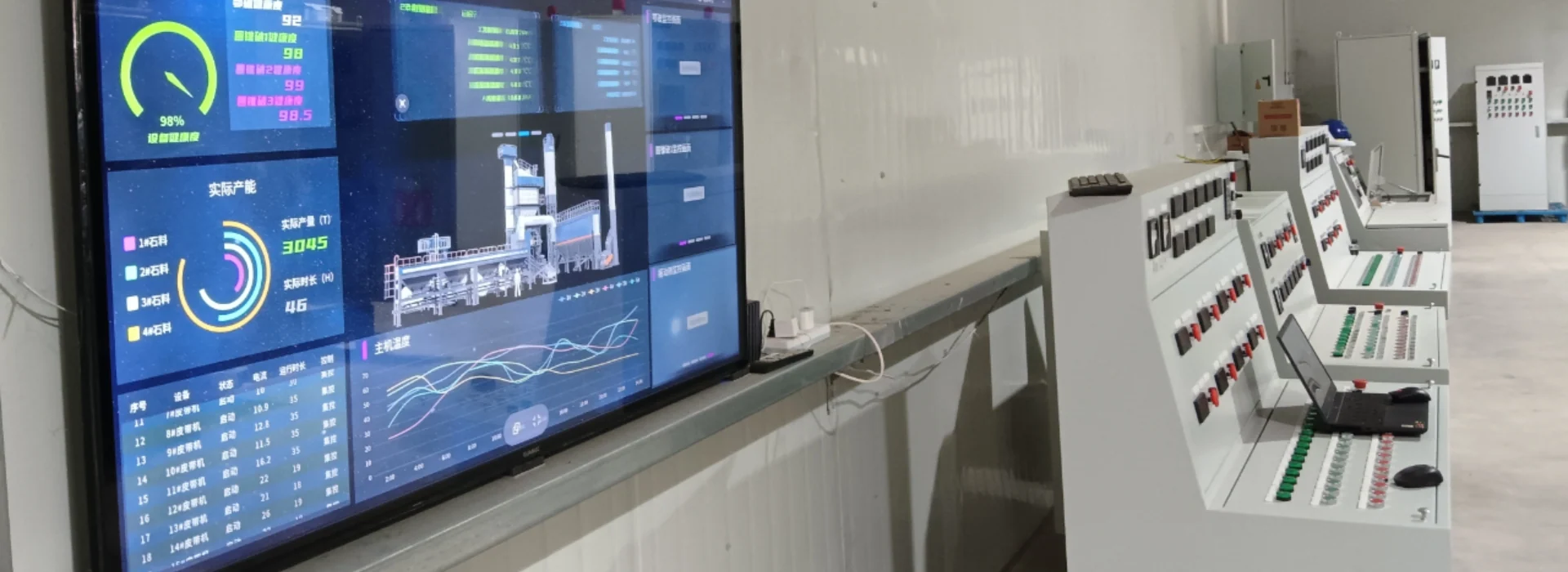
Simple and reliable controls can help operators manage production during demanding recovery schedules. Clear monitoring of aggregate feeding, temperature, bitumen dosage, and production status can reduce operating errors.
What About Relocation After The First Road Is Repaired?
This is one of the strongest reasons to consider a portable plant for a disaster recovery program rather than a single isolated repair.
Emergency road programs often contain several work packages. A contractor may first repair an access road, then move to a bridge approach, and later reconstruct another damaged highway section.
If the plant can be relocated efficiently, the same production system may support several stages of the recovery program.
However, contractors should calculate relocation costs before making the decision. Transport permits, disassembly, loading, site preparation, reconnection, testing, and commissioning all require time.
Thus, mobility creates value when the plant will actually move between meaningful project locations. If the plant will remain in one location for many years, a stationary solution may deserve consideration instead.
When Is A Portable Asphalt Plant Not The Best Choice?
A portable asphalt plant is not a universal answer. There are situations where another supply method makes more sense.
For example, a contractor may not need a portable plant when:
- The project requires only a small quantity of asphalt.
- A reliable commercial plant is located close to the jobsite.
- The project duration is very short.
- The site cannot safely accommodate asphalt production equipment.
- Aggregate and fuel supply are difficult to secure.
- Local regulations make temporary plant operation impractical.
In these situations, purchasing asphalt from an existing producer may reduce project complexity.
The goal is not to own more equipment. The goal is to restore the road efficiently while maintaining quality, safety, and cost control.
A Practical Decision Checklist For Disaster Recovery Contractors
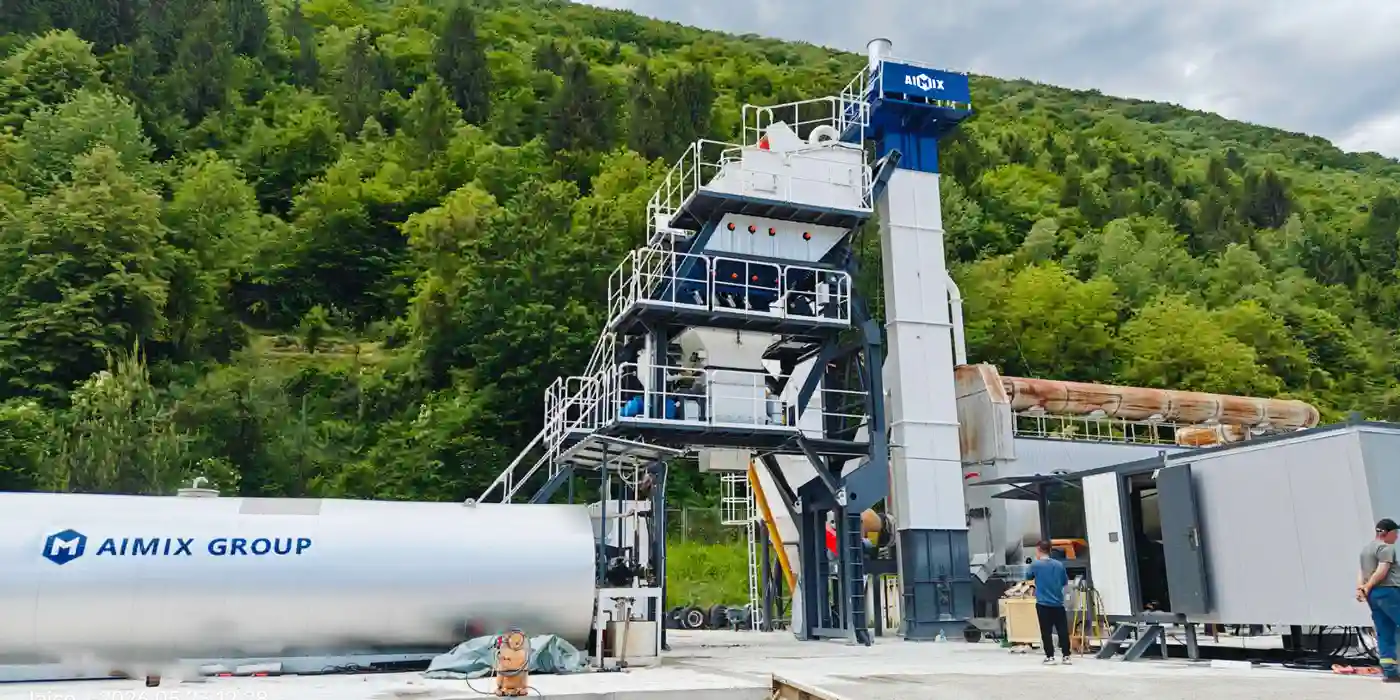
Before ordering a portable asphalt plant, contractors can use the following questions to test whether the solution fits the project.
- How many tonnes of asphalt will the project require?
- How much asphalt must be produced each day?
- How far is the nearest reliable asphalt supplier?
- Can asphalt trucks reach the damaged road consistently?
- Where can suitable aggregates be sourced?
- What is the aggregate moisture condition?
- What fuel is available near the project?
- Can the site support the plant and stockpiles?
- How many trucks and paving machines are available?
- Will the plant serve more than one recovery project?
- How long will the plant operate at the selected location?
- What local environmental and safety requirements apply?
If the answers show high asphalt demand, long hauling distances, uncertain commercial supply, and a need for flexible production, a portable plant becomes much more compelling.
Why Portable Asphalt Production Matters In Remote Recovery Projects
Natural disasters often expose weaknesses in conventional construction logistics. A road may be urgently needed in a location where normal supply chains no longer work.
Portable asphalt production can provide another option. It brings production closer to the work area, supports flexible scheduling, and can reduce dependence on a single distant supplier.
More importantly, it gives contractors greater control over one of the most critical inputs in road reconstruction: asphalt mix supply.
That control can become particularly valuable when several agencies, contractors, and infrastructure projects compete for limited asphalt production capacity after a major disaster.
How To Choose The Right Portable Asphalt Plant
The right selection starts with the project, not the equipment catalog. Contractors should provide the supplier with the expected asphalt quantity, target production rate, aggregate conditions, fuel availability, site location, road access, project duration, and expected relocation requirements.
For example, a contractor repairing several remote roads may prioritize mobility and quick deployment. A contractor rebuilding a major highway may place greater emphasis on continuous production capacity, automation, fuel efficiency, and long-term operating stability.
In both cases, the equipment supplier should evaluate the complete production system. The plant capacity, aggregate system, heating system, bitumen system, dust collector, control system, storage, transport arrangement, installation, commissioning, and after-sales support should work together.
This project-based approach helps prevent a common mistake: choosing a plant based only on its advertised TPH number.
Final Answer: Can A Portable Asphalt Plant Support Post-Disaster Road Construction?
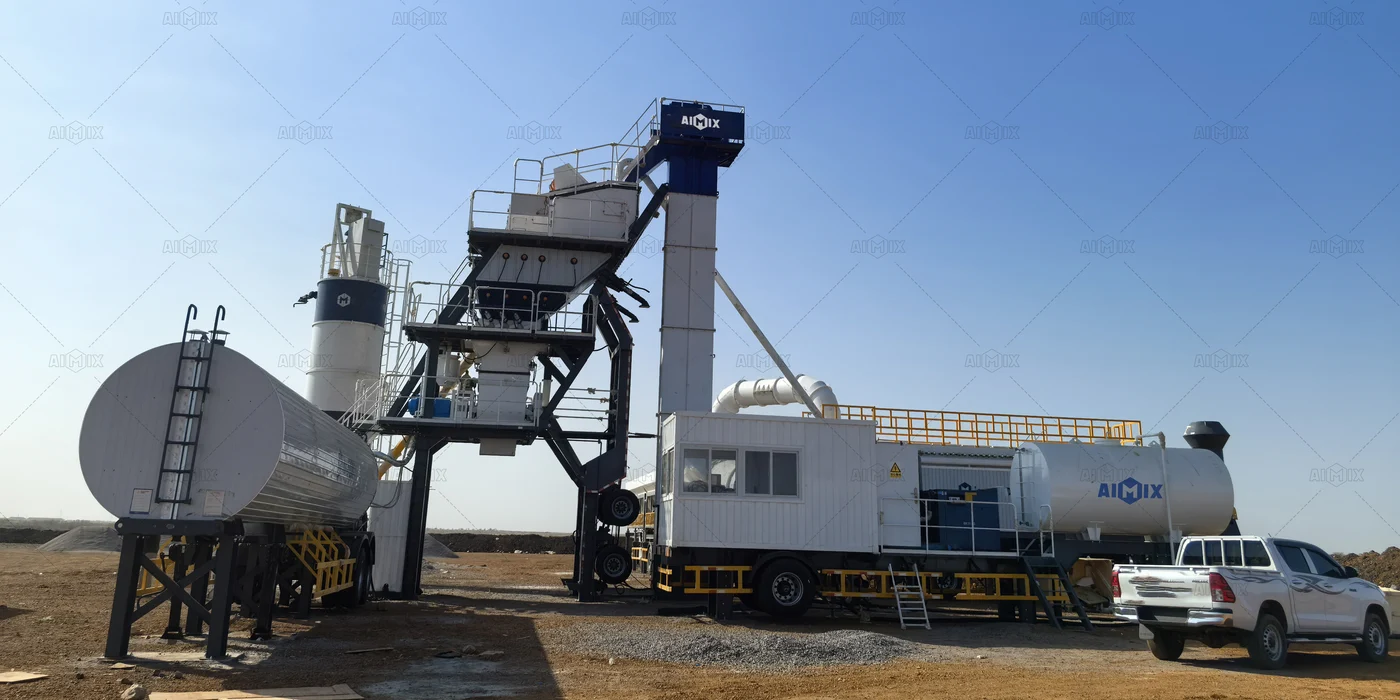
Yes, a portable asphalt plant can be an effective solution for post-disaster road construction when the project requires significant asphalt production, rapid deployment, flexible logistics, or reliable supply in remote areas.
Its main value comes from bringing asphalt production closer to the construction area. This can help contractors manage long hauling distances, unstable supply chains, changing work locations, and intensive repair schedules.
However, the decision should always consider the full project economics. Production capacity, aggregate availability, fuel, transport, site conditions, paving capacity, relocation costs, asphalt quality, and local requirements all matter.
For a small repair next to an operating commercial asphalt plant, buying asphalt may be simpler. For a large or remote recovery program where asphalt must travel long distances, a portable plant can offer much greater operational flexibility.
Plan Your Disaster Recovery Asphalt Solution
When roads are damaged, every unnecessary delay can affect transportation, emergency access, construction schedules, and local economic recovery. A suitable asphalt production strategy can therefore become part of the recovery plan itself.
If you are evaluating a portable asphalt plant for flood recovery, earthquake reconstruction, landslide-damaged roads, storm recovery, remote highway projects, or other emergency infrastructure work, start with your actual project data. Share the required asphalt volume, target TPH, project location, aggregate source, fuel conditions, working period, and expected hauling distance.
With these details, an asphalt plant supplier can help compare plant capacity, configuration, mobility, installation requirements, and operating considerations for the specific recovery project. The result should not simply be a plant that produces asphalt. It should be a production solution that keeps the road reconstruction process moving when normal supply chains are under pressure.