Buying an asphalt mixing plant is a major investment for road contractors, infrastructure companies, and construction businesses. However, selecting the right equipment requires more than comparing capacity, price, and technical specifications. The actual site conditions often determine whether an asphalt plant can operate efficiently and deliver long-term value.
Many buyers first ask questions like “What capacity asphalt plant do I need?” or “How much investment should I prepare?” These questions are important. However, before making a final decision, contractors should first understand whether their project environment matches the selected equipment.
A highway project near a developed city and a road project in a remote mining area may require completely different solutions. Factors such as land conditions, raw material availability, transportation distance, energy supply, and climate environment can directly affect production efficiency and operating costs.
Therefore, checking site conditions before buying an asphalt mixing plant helps contractors reduce investment risks, avoid unexpected construction problems, and choose equipment that truly fits their project requirements.

Why Site Condition Assessment Is Important Before Asphalt Plant Investment
An asphalt mixing plant becomes the production center of a road construction project. Once installed, relocating the equipment or changing the production system can create additional costs and project delays.
For this reason, professional contractors always evaluate site conditions before equipment selection. A proper assessment helps answer key questions. Can trucks access the site easily? Is there enough space for installation? Can raw materials be supplied continuously? Can the asphalt mixture reach the paving area while maintaining quality?
Moreover, site conditions influence the choice between different equipment types. A stationary plant may be suitable for long-term highway projects with stable demand. Meanwhile, a mobile solution may provide better flexibility for temporary projects or multiple construction locations.
Before discussing technical configurations, contractors should understand one basic principle: the best asphalt plant is not always the biggest one. The best choice is the equipment that matches the project environment, production requirements, and future business plans.
Check The Installation Area And Overall Site Layout
The first factor to evaluate is the available installation area. An asphalt mixing plant requires space for multiple systems, including aggregate feeders, drying systems, mixing towers, dust collectors, asphalt storage tanks, control rooms, and maintenance areas.
Therefore, contractors should not only measure the land size. They should also consider the relationship between different working areas. A reasonable layout can improve material transportation efficiency and simplify future maintenance.
Important Site Layout Factors
| Site Factor | Why It Matters |
|---|---|
| Available Land Area | Provides enough space for installation, operation, maintenance, and expansion. |
| Ground Stability | Supports reliable equipment installation and reduces foundation problems. |
| Aggregate Storage Space | Ensures continuous asphalt production during construction. |
| Truck Access | Allows smooth transportation of materials and finished asphalt mixture. |
In addition, contractors should consider environmental requirements. The distance from residential areas, drainage conditions, dust control planning, and noise management may influence project approval.
A detailed site layout before purchase can prevent installation problems and help suppliers recommend a suitable plant configuration.

Evaluate Raw Material Supply And Local Resources
After checking the installation area, contractors should analyze raw material conditions. Asphalt production depends on stable supplies of aggregates, asphalt, mineral powder, and other materials.
The distance between the plant and material sources directly affects transportation costs. If aggregates come from far away, fuel consumption and delivery time may increase significantly.
For this reason, many contractors select equipment based on local resource conditions. For example, projects near quarries may benefit from shorter transportation distances and lower material costs.
A complete asphalt premix plant solution should consider not only production capacity but also the entire material supply chain, including aggregate processing, storage, and asphalt mixture delivery.
Questions To Check Before Purchasing
- Where is the nearest aggregate source?
- What types of stones are available locally?
- Can local materials meet asphalt mixture requirements?
- Is the material supply stable throughout the project?
Especially in island regions, mountainous areas, or remote construction sites, logistics planning becomes even more important. A good equipment choice should match local resource conditions instead of only focusing on production capacity.
Confirm Power Supply And Fuel Availability
Energy conditions are another important factor before installing an asphalt mixing plant. Different plant models require different power levels according to production capacity and configuration.
Large stationary asphalt plants usually require stable industrial electricity. However, projects in remote areas may face unstable power conditions. In these situations, contractors need to evaluate whether additional power solutions are necessary.
Fuel availability is also important because the drying system consumes energy to remove moisture from aggregates and achieve proper asphalt mixing temperatures.
Energy Conditions To Evaluate
- Is three-phase industrial power available?
- Is electricity supply stable during working hours?
- Is backup power required?
- Which fuel type is most practical locally?
Furthermore, energy efficiency affects long-term operating costs. Choosing a plant with efficient drying technology and suitable burner systems can help reduce fuel consumption during continuous production.

Analyze Transportation Conditions Before Choosing Capacity
Transportation conditions directly influence asphalt quality and construction efficiency. Asphalt mixture must usually maintain a suitable temperature before paving. Long transportation distances may cause temperature loss and affect final road performance.
Therefore, contractors should calculate the distance between the asphalt plant and the paving location before deciding equipment capacity.
For example, a large highway project may require higher production capacity because paving operations need continuous asphalt supply. However, a small municipal road project may not need a large-scale plant.
Before investment, many buyers also consider how much does an asphalt plant cost based on project scale, transportation requirements, and expected production volume.
Transportation Questions For Project Planning
- How far is the construction site from the asphalt plant?
- Can heavy trucks enter and leave the plant area?
- Are transportation routes suitable for large equipment?
- How many trucks are needed for continuous paving?
Consider Climate And Environmental Conditions
Climate conditions also influence asphalt plant performance. Different regions have different challenges, including heavy rainfall, high humidity, strong winds, and extreme temperatures.
For example, tropical areas may require better drainage systems because frequent rainfall can affect aggregate storage and plant operation. Wet materials require more drying energy, which increases production costs.
| Climate Condition | Possible Impact |
|---|---|
| Heavy Rainfall | May affect material storage and site accessibility. |
| High Humidity | Increases aggregate drying requirements. |
| Strong Wind | Requires better dust control management. |
| Cold Weather | May require additional heating solutions. |
Therefore, contractors should select plant configurations according to local climate conditions instead of using the same solution for every market.
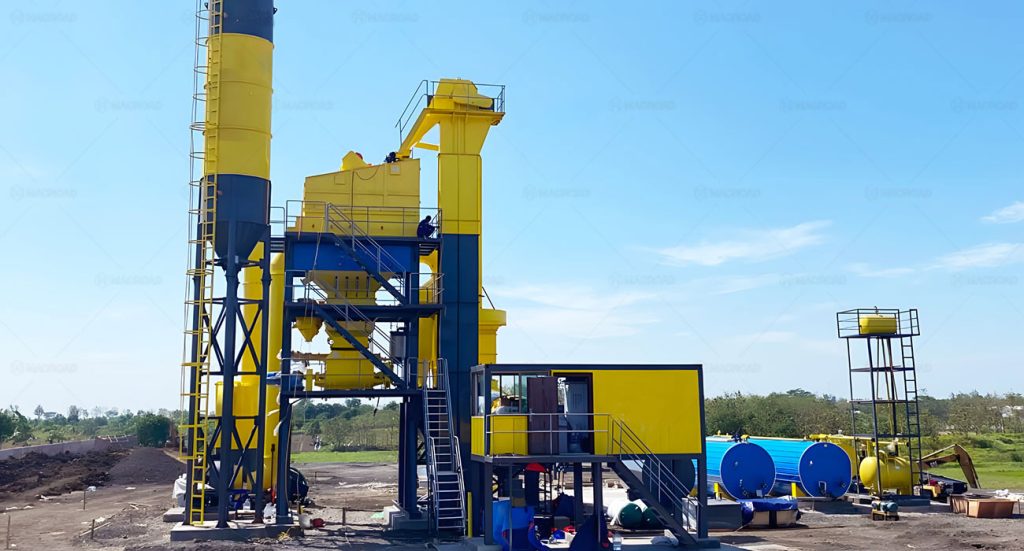
Match Asphalt Plant Capacity With Actual Project Demand
Capacity selection is one of the most important decisions when purchasing an asphalt plant. Many buyers focus only on maximum output. However, actual project demand should determine the final choice.
A plant with insufficient capacity may delay paving schedules. On the other hand, an oversized plant may increase investment costs and create unnecessary operating expenses.
| Project Type | Possible Capacity Range |
|---|---|
| Small Road Maintenance Projects | 20-80 TPH solutions may meet local demand. |
| Regional Road Construction | 80-160 TPH plants are commonly considered. |
| Highway And Large Infrastructure | 160 TPH or higher capacity may be required. |
Contractors should also consider future projects. A company planning long-term road construction business may select a higher-capacity solution to support future growth.
Check Supplier Experience And After-Sales Support
Equipment quality is important, but supplier capability also affects project success. Asphalt plants require professional installation, commissioning, maintenance guidance, and spare parts support.
Especially for overseas projects, working with an experienced supplier can reduce operational risks. Technical support availability helps contractors maintain stable production after installation.
Choosing an experienced asphalt mix plant manufacturer allows buyers to receive professional recommendations based on local conditions, project requirements, and investment goals.
A reliable supplier should provide not only equipment but also engineering support, installation guidance, operator training, and long-term service solutions.
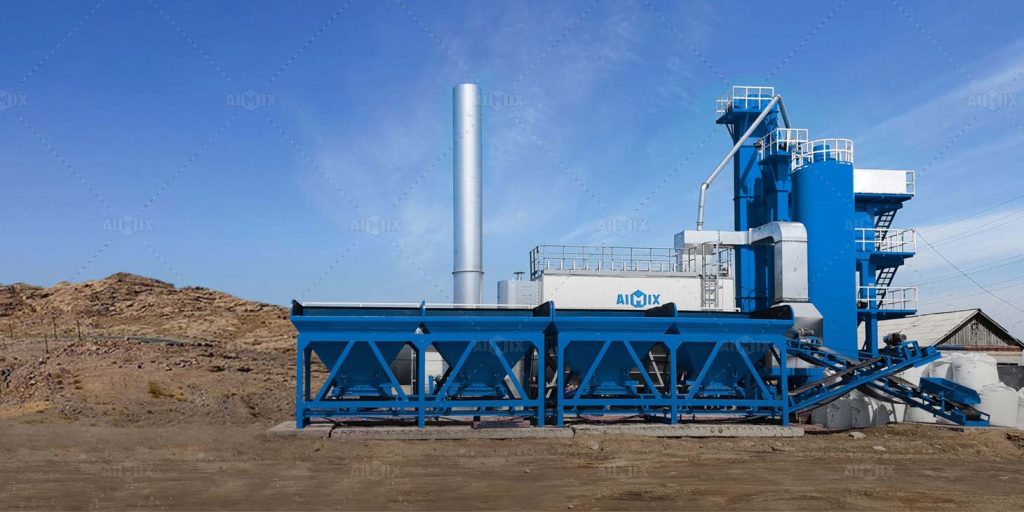
Conclusion: Choose An Asphalt Mixing Plant Based On Real Site Conditions
Buying an asphalt mixing plant is a long-term investment decision. The correct choice starts with understanding the construction environment, not simply comparing equipment prices.
Before purchasing, contractors should carefully evaluate installation space, raw material supply, power availability, transportation conditions, climate environment, project demand, and supplier support.
For projects requiring flexible production and easier relocation, a small mobile asphalt plant may provide practical advantages. For large infrastructure projects, a stationary solution may offer higher efficiency and continuous production capability.
A professional asphalt plant supplier can help analyze your project conditions and recommend a suitable solution. If you are planning a road construction project, contact our engineering team to get a customized asphalt mixing plant recommendation based on your site conditions, production targets, and investment plan.