A mobile stone crushing plant for mountainous regions must do more than process rock efficiently. It needs to operate on uneven terrain, handle difficult transportation routes, adapt to changing working locations, and maintain stable production under demanding site conditions. Steep slopes, narrow access roads, limited working space, and variable rock characteristics can all affect equipment selection and operating costs. Choosing the right configuration requires evaluating the material, terrain, required aggregate sizes, and project duration together. A suitable mobile crushing solution can reduce material transportation, simplify site preparation, and support flexible aggregate production in remote mountain projects.
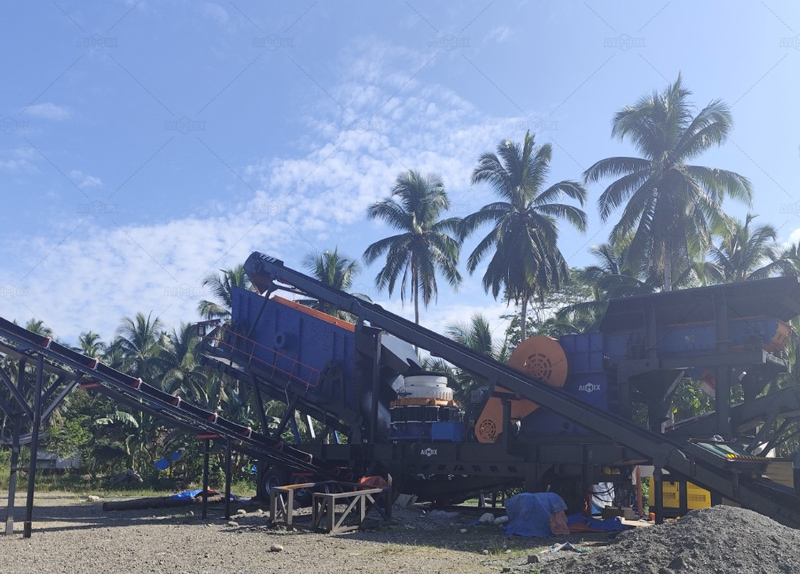
Why Mountainous Crushing Projects Require Specialized Equipment Selection
Mountainous projects often have different operating conditions from conventional quarry sites. The crushing plant may need to work close to an excavation area, move between several production zones, or operate where large stationary equipment is difficult to install. These conditions influence both the equipment configuration and the overall production process.
- Restricted transportation access: Narrow roads, sharp turns, steep gradients, and limited bridge capacity may restrict the dimensions and weight of equipment transported to the site.
- Uneven working surfaces: Sloping or unstable ground can affect equipment positioning, feeding operations, and safe movement between working areas.
- Variable raw materials: Mountain deposits may contain granite, basalt, limestone, or mixed rock, each requiring different crushing forces and wear-resistant components.
- Limited infrastructure: Remote locations may have insufficient grid power, water supply, maintenance facilities, or space for large material stockpiles.
These factors make site assessment essential before selecting a mobile stone crushing plant. Equipment capacity alone cannot determine whether a configuration will perform reliably in mountainous conditions.
Choose the Right Mobile Crushing Configuration for Mountain Terrain
The choice between wheeled and tracked equipment depends mainly on transportation requirements, ground conditions, and how frequently the plant must relocate.
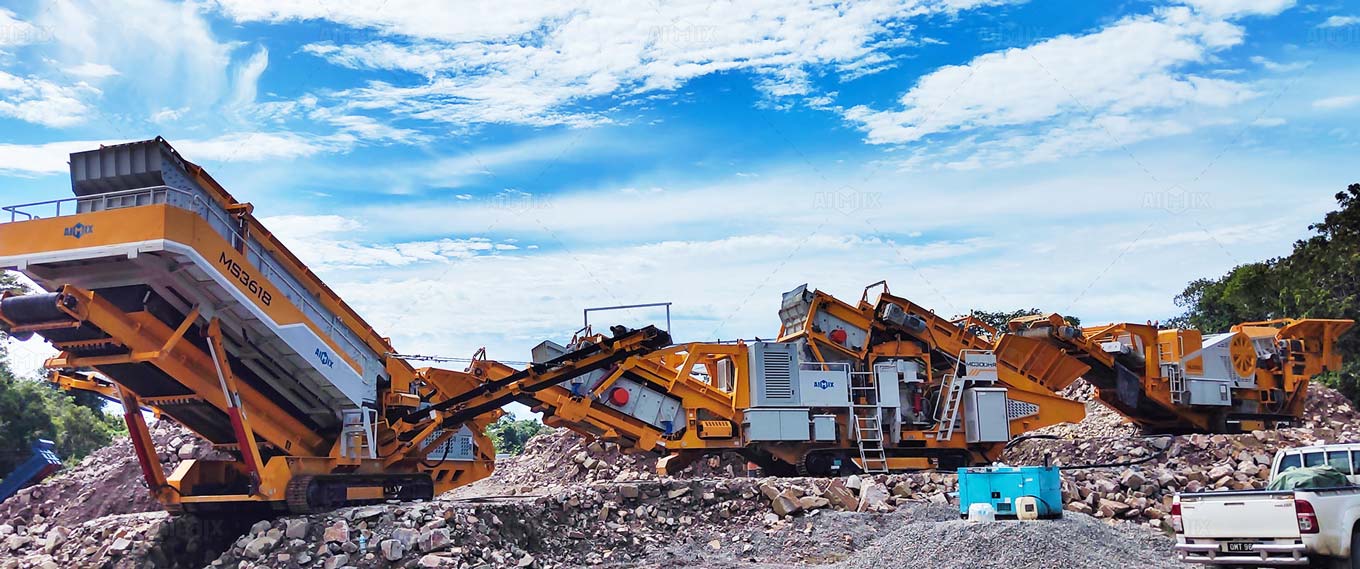
Tracked mobile crushing plants
A tracked mobile quarry crusher is often suitable for rough working surfaces, remote excavation areas, and projects that require frequent movement within a site. Its crawler undercarriage allows it to travel across prepared construction areas without relying on conventional road transport for every short relocation. Tracked units can also reduce the need to repeatedly dismantle and reinstall equipment when the working face changes.
However, tracked mobility does not mean that equipment can safely travel on every steep slope. Ground bearing capacity, gradient limits, machine weight, turning space, and travel routes must be checked against the manufacturer’s specifications. Operators should use designated travel paths and avoid moving equipment across unstable or excessively inclined ground.
Wheeled mobile crushing plants
Wheeled plants are generally more appropriate when equipment needs to move between prepared sites or travel on accessible roads. They can be practical for contractors serving multiple projects, particularly where the plant can be transported by a suitable tractor or truck. Before choosing this configuration, buyers should check transport dimensions, axle loads, towing requirements, and local road restrictions.
For some mountain projects, a combination of wheeled and tracked units provides a practical arrangement: wheeled equipment handles transportation between sites, while tracked machines operate closer to difficult working areas.
Match Crusher Types to Mountain Rock Characteristics
Rock properties determine the crushing equipment required, regardless of whether the plant is stationary or mobile. Hard and abrasive materials such as granite and basalt generally require robust jaw crushers for primary reduction and cone crushers for secondary crushing. Softer materials, including some limestone deposits, may be processed with impact crushers when the required product shape and wear costs justify their use.
A typical multi-stage mobile configuration may include:
- Primary crushing: A mobile jaw crusher reduces large blasted rocks into a manageable feed size for subsequent stages.
- Secondary crushing: A cone or impact crusher reduces the material further according to the required aggregate specifications.
- Screening: Vibrating screens separate different product sizes and return oversize material for additional crushing when necessary.
- Optional shaping: A vertical shaft impact crusher can be added when better particle shape or manufactured sand is required.
The final configuration should reflect the required product gradation, feed size, rock abrasiveness, and saleable output. These factors also determine the most suitable stone crushing plant applications, including road base production, highway construction, concrete aggregate supply, and quarry operations. Adding unnecessary crushing stages can increase investment and maintenance requirements without improving the products customers need.
Manage Transportation, Installation, and Site Preparation
Transportation can be one of the most challenging parts of establishing a mobile crushing operation in mountainous regions. Even compact equipment may face restrictions caused by narrow access roads, sharp bends, steep gradients, weak bridges, or limited turning areas. A route survey should therefore be completed before equipment delivery.
Site preparation is equally important. Although mobile plants generally require less permanent foundation work than stationary installations, they still need stable and adequately level operating positions. The site should provide sufficient space for equipment movement, feed material storage, finished aggregate stockpiles, and maintenance access. Drainage should also be considered to prevent rainwater from weakening the working surface or affecting electrical and hydraulic components.
Where several machines operate together, their positions should allow smooth material transfer without excessive conveyor lengths or unnecessary handling. A well-planned layout reduces bottlenecks and helps maintain continuous production even when working space is limited.
Address Power, Maintenance, and Safety Challenges
Remote mountain sites may not have reliable access to grid electricity. Diesel-powered mobile equipment can offer operational independence, while electric-driven configurations may reduce local operating emissions and energy costs where a stable power supply is available. Buyers should compare fuel consumption, engine power, electrical requirements, and maintenance access before making a decision.
Maintenance planning is particularly important because transporting technicians and spare parts to remote sites can take additional time. Operators should regularly inspect crusher wear parts, conveyor belts, screen panels, hydraulic hoses, lubrication systems, and undercarriage components. Keeping critical spare parts on site can reduce downtime caused by difficult logistics.
Safety procedures must address more than normal crushing operations. Equipment should be positioned according to its permitted operating limits, and operators must follow manufacturer guidance for travel, stabilization, and maintenance. Loose rock, falling material, unstable slopes, and restricted visibility require additional attention. Crushing and maintenance areas should be controlled to prevent unauthorized access.
Evaluate Suppliers Based on Mountain Project Requirements
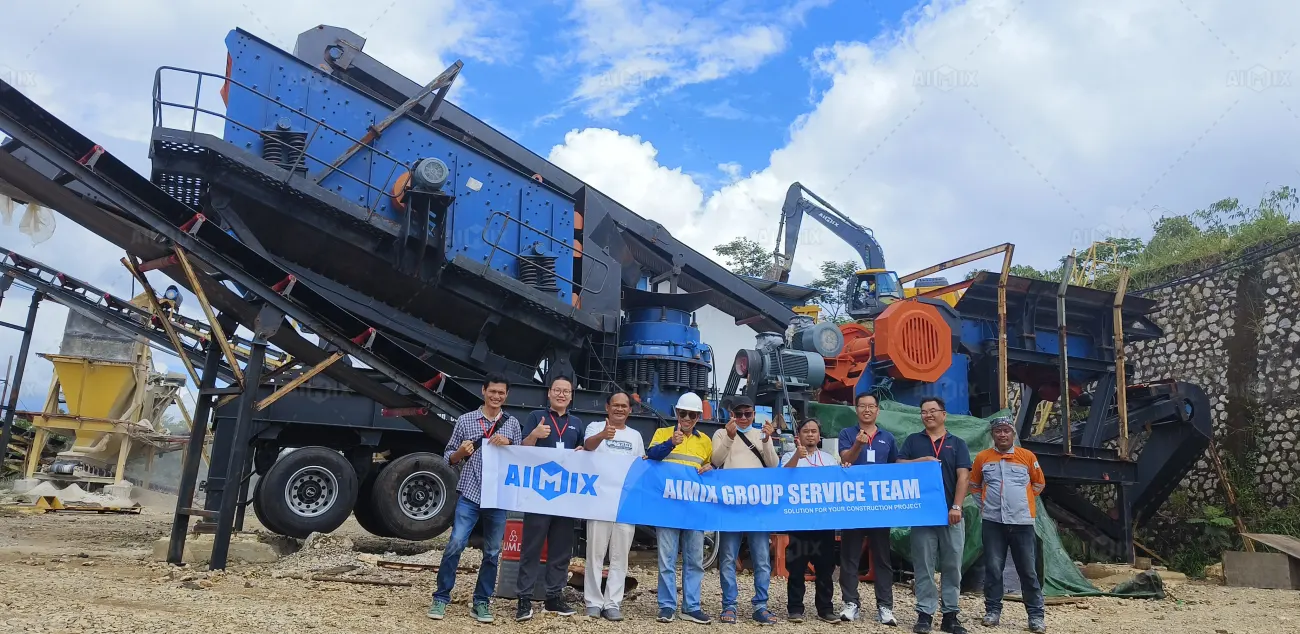
When comparing a mobile stone crusher Indonesia supplier or other international equipment manufacturer, buyers should evaluate more than the quoted machine price. The supplier should understand the project’s rock characteristics, production targets, transportation restrictions, and site conditions. A reliable technical proposal should explain the recommended crusher combination, screening arrangement, expected product sizes, power requirements, and maintenance considerations.
Ask for relevant project references, equipment specifications, installation guidance, spare-parts availability, and after-sales support arrangements. For mountain projects, the ability to provide practical technical advice before delivery can prevent costly configuration and transportation problems.
Ultimately, the best mobile stone crushing plant is not necessarily the largest or most powerful model. It is the configuration that matches the site’s terrain, material properties, logistics, and aggregate demand while maintaining safe and economical production.