In the modern container terminal, the Rubber Tyred Gantry (RTG) crane is the engine of the yard. It is the single most significant asset in terms of handling capacity, operational tempo, and long-term maintenance expenditure. When sourcing a manufacturer for these machines, the decision-making process is often clouded by initial acquisition costs. However, experienced terminal operators know that a crane is a twenty-year investment. The purchase price is merely the entry fee; the real financial outcome is determined by the machine’s uptime, maintenance requirements, and energy efficiency over its lifespan.
If you are currently evaluating suppliers for your next fleet expansion or replacement project, do not simply compare quotes. Evaluate the rubber tyred gantry crane manufacturers based on these five mission-critical features.
1. Proven Engineering Flexibility and Site Customization
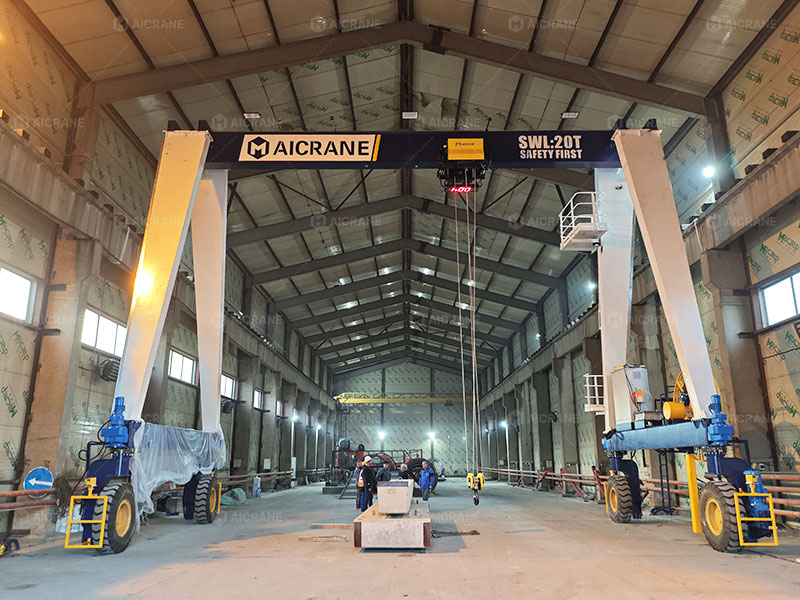
Many manufacturers offer a “standard” RTG crane catalog. While standardized designs are cheaper, they rarely offer the optimal performance for unique terminal topographies. A high-quality manufacturer does not force your yard to adapt to the crane; they adapt the crane to your yard.
When vetting a manufacturer, look for their track record in engineering customization. A robust manufacturer will conduct a thorough site survey before finalizing a design. They should be able to adjust wheel base dimensions, stacking heights (e.g., 1-over-5 vs. 1-over-6), and trolley travel speeds based on your specific traffic flows.
Furthermore, ask about their approach to structural engineering. Are they using FEM (Finite Element Method) analysis to optimize the steel structure for your specific wind loads and seismic requirements? A manufacturer that can demonstrate deep engineering expertise can help you shave thousands of pounds of dead weight off the gantry crane without compromising structural integrity. This reduces tire wear, decreases energy consumption, and extends the life of the gantry motors.
2. Open Architecture and Component Sourcing
One of the most common “red flags” in heavy equipment procurement is the “closed” system. Some manufacturers utilize proprietary PLCs (Programmable Logic Controllers), drives, and motor systems. This locks you into their supply chain for spare parts and specialized service technicians for the next two decades.
Prioritize manufacturers that utilize “open architecture” or Tier-1 standard components—such as Siemens, ABB, or Schneider Electric systems—that are widely available globally. If a drive module fails in the middle of a shift, you want to know that you can source a replacement or an equivalent part without waiting for a custom shipment from a single vendor.
When reviewing the technical proposal, insist on a full BOM (Bill of Materials). If a manufacturer refuses to disclose the brands of the critical electrical and hydraulic components, they are likely protecting a proprietary lock-in strategy. A transparent manufacturer will explain why they chose specific components, emphasizing their reliability, ease of integration, and the availability of local technical support for those specific parts.
3. Readiness for Automation and Digital Integration
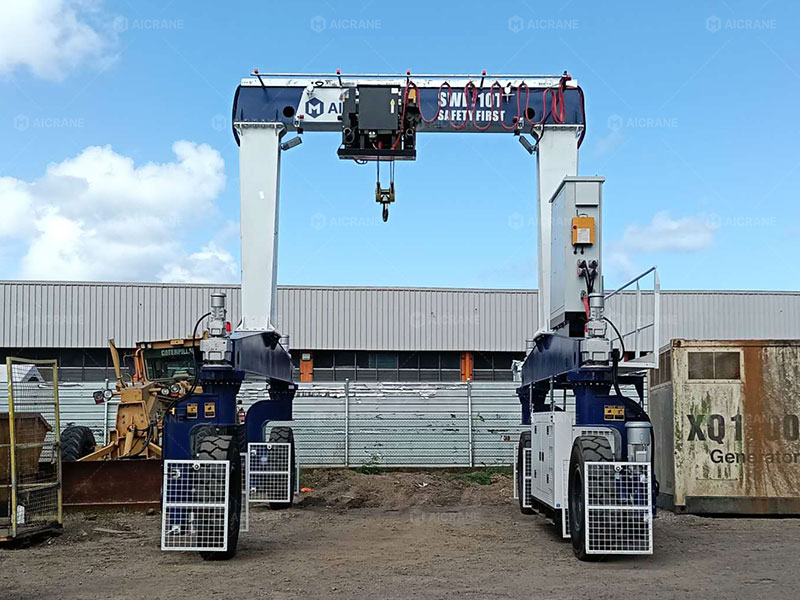
The industry is moving rapidly toward semi-automation and remote operations. Even if your terminal is not ready for full automation today, purchasing a “dumb” crane is a strategic error. You must ensure that the RTG cranes you buy today are “automation-ready.”
This means the mobile gantry crane control system must be designed for seamless integration with a Terminal Operating System (TOS). Ask the manufacturer specifically about their API capabilities. Can the crane report real-time telemetry (position, energy usage, container identification) to your central server? Is the cab design modular so it can be easily removed or converted for remote operations center (ROC) control in the future?
Additionally, look for built-in diagnostic capabilities. Modern RTGs should act as data nodes, capturing sensor data that allows for predictive maintenance. A manufacturer that provides a robust software dashboard to monitor the crane’s health—rather than just reacting to alarms—will save you significantly on unplanned downtime.
4. Post-Sales Support Infrastructure and Response Times
An RTG crane is only as good as the service behind it. In the port industry, downtime is measured in thousands of dollars per hour. When evaluating a manufacturer, ignore their sales pitch and look at their service logistics.
Ask the following questions during the vetting process:
- Where is the closest service hub? Having a regional support center within your time zone is vital.
- What is the “First Time Fix” rate? A reputable manufacturer should be able to provide data on their technician response times and the availability of critical spares.
- What is their remote diagnostic capability? Can their engineers log into your crane remotely to troubleshoot a software glitch or sensor error without flying a technician to your site?
If a manufacturer relies entirely on sending support staff from their home country for every maintenance issue, your operational risk is high. Look for partners who maintain local or regional stocking of long-lead-time components like hoist gearboxes or travel motors.
5. Compliance, Safety, and Environmental Standards
Safety is not just about operator comfort; it is about insurance premiums, operational liability, and legal compliance. The manufacturer must strictly adhere to international standards such as CMAA (Crane Manufacturers Association of America) or FEM (Fédération Européenne de la Manutention) for structural design.
Beyond the baseline safety requirements, evaluate the manufacturer’s commitment to “green” technology. The industry trend is heavily favoring E-RTGs (Electric RTGs) powered by cable reels or busbars, as well as battery-hybrid systems that eliminate diesel engine idling. A manufacturer that offers advanced energy recovery systems—where the energy generated during the lowering of a container is fed back into the grid or a battery bank—demonstrates forward-thinking engineering. This not only lowers your operating costs but also helps your terminal meet increasingly stringent port emission regulations.
Conclusion: The Total Cost of Ownership (TCO) Approach
When sourcing RTG crane manufacturers, stop viewing the procurement process as a simple transaction. It is a partnership that will define your yard’s productivity for years. By focusing on customization, open component architecture, automation readiness, robust support networks, and environmental compliance, you move beyond the lowest initial quote and toward the lowest Total Cost of Ownership.
Select a manufacturer such as Aicrane that views your yard’s throughput as their own metric of success. If they are willing to engage in these technical discussions at the bidding stage, it is a strong indicator that they will be a reliable partner once the cranes are on the quay.