Choosing between an integrated concrete mixer pump and separate mixing and pumping equipment is an important procurement decision for Nigerian contractors. Both arrangements can supply concrete for foundations, residential buildings, commercial developments, and other construction projects. However, their equipment costs, labor requirements, site arrangements, transportation expenses, and operating workflows differ. A lower purchase concrete pump price does not necessarily mean a lower project cost. Contractors need to assess how much concrete they must produce and pump, how frequently the equipment will operate, and whether the project site can accommodate separate machines.
In Nigeria, project conditions can vary considerably. Contractors may work on compact urban plots in Lagos, multi-storey developments in Abuja, infrastructure projects in Port Harcourt, or building sites in areas where ready-mixed concrete delivery is inconsistent. These differences influence equipment selection. An integrated unit combines mixing and pumping functions in one machine, while a separate arrangement allows contractors to select a mixer and trailer pump independently. Comparing the total cost of ownership, rather than equipment prices alone, helps determine which configuration offers better value over the project’s working life.
Understanding the Two Concrete Production and Pumping Setups
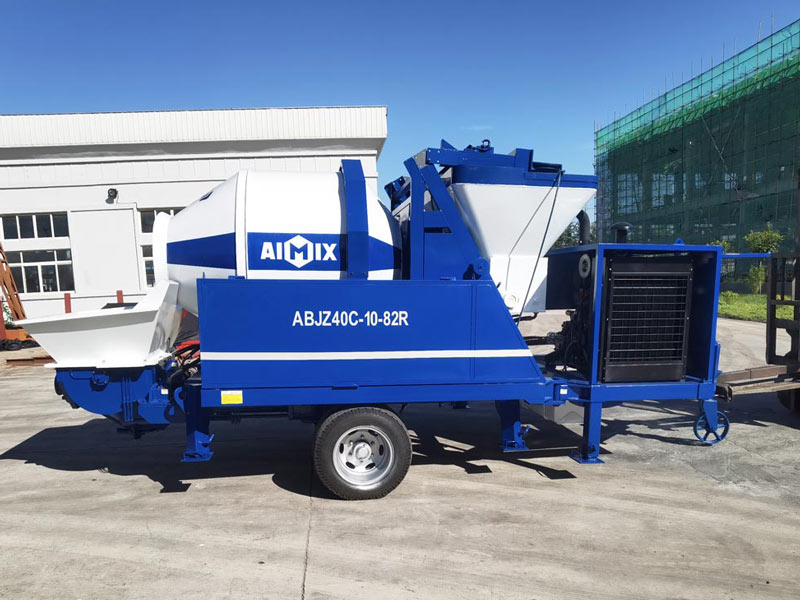
Integrated Concrete Mixer Pump
A concrete mixer pump combines concrete mixing and pumping functions in one machine. Aggregates, cement, and water are loaded into the mixing system, where the materials are blended before being discharged into the pump hopper. The pumping mechanism then delivers the concrete through a pipeline to the required placement point.
A concrete mixer pump in Nigeria can be practical for contractors who need to produce and pump concrete at the same site without arranging a separate mixer and pumping machine. It is particularly relevant to small and medium-sized projects, including house construction, foundations, boundary walls, and selected structural works.
Its main advantage is an integrated workflow. Contractors operate one combined unit, coordinate fewer machines, and generally require less equipment space.
Separate Concrete Mixer and Trailer Pump
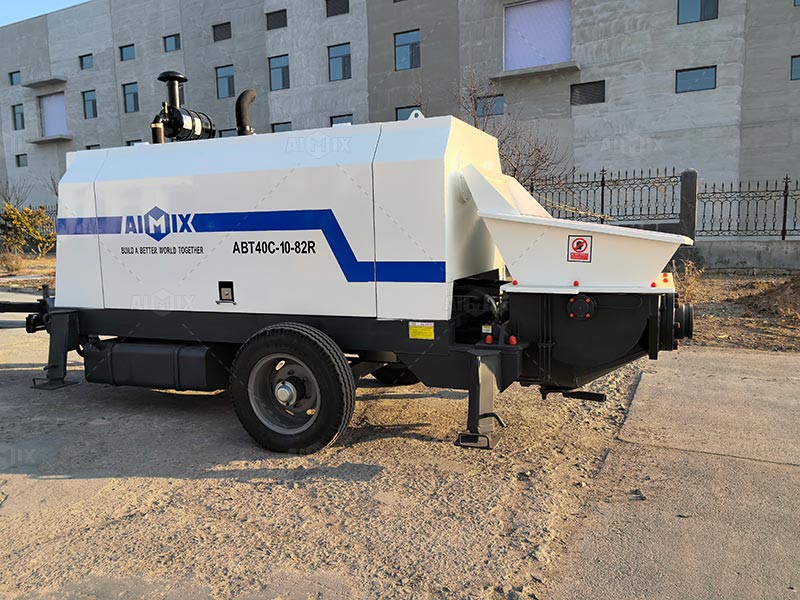
A separate arrangement uses one machine to prepare concrete and another to pump it. The mixer supplies fresh concrete to the hopper of a trailer-mounted concrete pump, which transports the mix through pipelines.
A concrete trailer pump in Nigeria is suitable for projects where concrete is supplied by a separate mixer, a ready-mix truck, or another batching arrangement. This configuration gives contractors more freedom to select mixing capacity and pumping performance independently.
It can also support larger or more varied operations when the mixer and pump are properly matched. However, the arrangement involves additional equipment, more coordination, and sufficient space for both machines.
Initial Equipment Purchase and Setup Costs
Comparing the Purchase Price of Each Configuration
An integrated mixer pump may have a higher purchase price than a standalone trailer concrete pump because it incorporates both mixing and pumping systems. However, comparing it with a separate mixer-and-pump package requires evaluating the combined price of both machines.
The following table summarizes the main procurement differences:
| Cost factor | Integrated mixer pump | Separate mixer and trailer pump |
|---|---|---|
| Equipment purchase | One combined machine | Two machines purchased separately |
| Transportation | One main equipment unit | Separate transport arrangements may be required |
| Installation | Integrated setup | Position and connect both machines |
| Accessories | Mixing and pumping components | Accessories for both machines and their connection |
| Site space | Generally more compact | More room for mixing and pumping operations |
The actual cost depends on machine specifications, brand, power configuration, included pipelines, spare parts, and delivery terms. Contractors should request itemized quotations rather than relying on a single headline price.
Transportation and Installation Expenses
Shipping and inland transportation can influence the initial investment, particularly when equipment is imported. A combined unit may simplify transportation planning because the mixing and pumping systems are integrated into one machine. Separate equipment may require additional freight space, handling, and positioning arrangements.
Installation costs also depend on the configuration. An integrated machine generally requires fewer inter-machine connections, while a separate setup needs suitable positioning, concrete transfer arrangements, and pipeline connections. Neither option eliminates the need for site preparation, commissioning, and operator training.
Labor and Daily Operating Costs
Operator Requirements and Material Handling
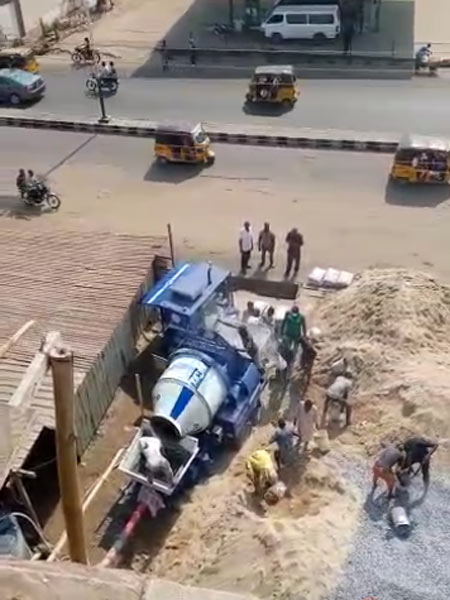
An integrated mixer pump can simplify daily coordination because mixing and pumping take place within one equipment setup. Depending on the machine design and site workflow, a small operating team may be sufficient for loading materials, monitoring production, and managing the pipeline.
With separate equipment, contractors need to coordinate the mixer operator, pump operator, material loading, and concrete transfer between machines. The number of workers depends on automation, production volume, and the degree of manual material handling.
Labor costs should therefore be calculated according to the actual working arrangement, not simply the number of machines.
Fuel, Maintenance, and Wear Parts
Operating expenses include fuel or electricity, hydraulic oil, filters, cleaning materials, and replacement of wear parts. Both configurations require regular inspection of their mixing and pumping systems.
An integrated unit concentrates more functions in one machine, which can simplify equipment management but may require attention to both systems during maintenance. Separate machines allow the mixer and pump to be serviced independently, although contractors must maintain two sets of equipment.
For a concrete mixer with pump in Nigeria, buyers should check the availability of pumping seals, delivery pistons, mixing blades, hydraulic components, and technical support before purchase. Local access to spare parts can reduce downtime and help control long-term maintenance expenditure.
Production Capacity and Project Efficiency
Match Mixing Output with Pumping Capacity
The mixing and pumping systems must work at compatible rates. If the mixer produces concrete more slowly than the pump consumes it, the pump may experience interruptions. If mixing output is consistently higher, concrete may accumulate in the hopper or require additional handling.
For separate equipment, contractors can select a mixer and trailer pump according to their required production and delivery rates. This flexibility is useful when project demand changes or when the mixer may serve other operations.
An integrated unit offers a more coordinated process, but its overall output is determined by the combined performance of its mixing and pumping systems.
Consider Pumping Distance and Building Height
Equipment selection should account for the required horizontal conveying distance, vertical delivery height, concrete mix properties, pipeline diameter, and aggregate size. A machine with sufficient theoretical output may not achieve the same practical performance under demanding site conditions.
For multi-storey construction, contractors should confirm the pump’s rated pressure and recommended pumping range with the manufacturer. Pipeline layout, bends, concrete workability, and continuous material supply all affect actual performance.
Site Conditions and Project Applications in Nigeria
When an Integrated Unit Is More Practical
A small concrete pump in Nigeria may be suitable for residential construction, small commercial buildings, foundations, and sites where space is limited. When ready-mixed concrete is difficult to obtain or delivery schedules are unreliable, an integrated mixer pump can provide an on-site mixing and pumping arrangement.
It can also reduce the need to coordinate multiple machines on compact plots. Contractors should still confirm that its capacity and pumping performance meet the project’s concrete requirements.
When Separate Equipment Offers More Flexibility
Separate mixing and pumping equipment may be preferable when a project has higher concrete demand, an established batching operation, or access to ready-mixed concrete. It allows contractors to choose a pump based on delivery requirements and a mixer based on production volume.
This arrangement can also be useful when the pump needs to work with different concrete sources or when mixing and pumping operations are managed by separate teams. Its practicality depends on sufficient working space and reliable coordination between concrete production and pumping.
How to Calculate the Total Project Cost
Include Purchase, Operation, and Downtime
A meaningful comparison should cover more than the initial equipment quotation. Contractors can use the following cost structure:
Total Project Equipment Cost = Purchase Price + Transportation + Installation + Labor + Fuel or Electricity + Maintenance + Spare Parts + Downtime Costs
For an integrated concrete mixer pump, calculate the cost of the combined machine and its operating requirements. For separate equipment, add the purchase and operating expenses of both machines, including the arrangements needed to transfer concrete between them.
Downtime deserves particular attention. If a machine failure delays a scheduled concrete pour, contractors may face additional labor, equipment rental, or project rescheduling costs. Reliable after-sales support and spare-parts availability can therefore influence the actual investment value.
Compare Costs Against the Project’s Concrete Volume
Contractors should estimate the total concrete volume, expected daily consumption, number of operating days, and likely utilization rate. A machine used regularly across several projects may justify a higher initial investment than equipment purchased for occasional work.
For a single small housing project, an integrated unit may reduce setup and coordination expenses. For a larger development with sustained concrete demand, separate equipment may offer better production flexibility. The preferred option depends on the volume of work each configuration can handle efficiently.
Which Equipment Arrangement Should Contractors Choose?
Key Questions Before Requesting a Quotation
Before purchasing, Nigerian contractors should clarify:
- How much concrete is required per day and per project phase?
- Will concrete be mixed on site or supplied by ready-mix trucks?
- What are the required horizontal and vertical pumping distances?
- How much space is available for equipment and material storage?
- How many operators and supporting workers are available?
- Are spare parts, technical support, and maintenance services accessible?
The quotation should specify the equipment model, mixing capacity, theoretical pumping output, maximum aggregate size, motor or engine configuration, included pipeline accessories, warranty, and delivery arrangements. Contractors should also request guidance on suitable concrete mix proportions and operating conditions.
Conclusion
An integrated concrete mixer pump and a separate mixer-and-trailer-pump arrangement serve different procurement and operational needs. The integrated option can reduce equipment footprint, simplify coordination, and support on-site concrete production for small and medium-sized projects. Separate equipment provides greater flexibility in selecting mixing and pumping capacities, particularly where concrete demand is higher or an independent supply system is already available.
For Nigerian contractors, the better investment is the configuration that matches actual concrete demand, site conditions, labor availability, and project duration. Comparing the complete purchase and operating costs will provide a more dependable basis for equipment selection than comparing machine prices alone.