Highway interchange construction in the UAE presents a distinctive concrete logistics challenge. Large volumes of concrete may be required for bridge decks, piers, abutments, retaining walls, barriers, drainage structures, foundations, and approach structures, while the work takes place beside active traffic corridors and within tightly sequenced construction zones. Concrete placement therefore depends on more than production capacity. Contractors must coordinate delivery routes, pumping distances, elevation changes, traffic management, reinforcement, formwork, and pour schedules. The desert climate adds another consideration: concrete must be placed and managed under high temperatures, strong solar exposure, and potentially long working periods.
An interchange also changes continuously as construction progresses. A location that is accessible during foundation work may become difficult to approach after bridge piers, ramps, temporary barriers, and pavement structures are installed. For this reason, UAE contractors generally plan concrete production and placement around the evolving geometry of the project rather than treating each pour as an isolated operation. Pump position, pipeline routing, delivery timing, and concrete pumping equipment mobility can all influence whether a large concrete pour proceeds smoothly.
Plan Concrete Placement Around Interchange Geometry
Multiple Elevations Create Different Pumping Requirements
Highway interchanges contain several vertical levels. Foundations may sit below grade, bridge decks can rise above existing roads, and connecting ramps follow changing elevations. Concrete consequently has to travel through different vertical and horizontal routes depending on the structure being built.
Contractors first determine the distance between the concrete discharge point and the final placement location. They also consider pipeline length, bends, elevation gain, concrete characteristics, and the required placing rate. This assessment helps establish whether the selected pumping system can maintain a consistent concrete flow throughout the pour.
Pipeline Routing Must Avoid Construction Conflicts
At an interchange, the most direct pipeline route is not always the most practical. Temporary traffic barriers, reinforcement cages, scaffolding, lifting equipment, and other work zones can obstruct the preferred path. A well-planned route reduces unnecessary bends and keeps the pipeline away from areas where other construction activities could damage or displace it.
Large Structures Require Continuous Concrete Coordination
Bridge decks, large foundations, and substantial retaining structures may require uninterrupted concrete placement. If delivery vehicles arrive inconsistently, the pump can be forced to stop, potentially disrupting the planned sequence. Contractors therefore coordinate batching output, truck arrivals, pump capacity, crew availability, and finishing operations before major pours begin.
Adapt Pumping Systems to Different Interchange Structures
Bridge Piers and Foundations Often Require Flexible Pump Placement
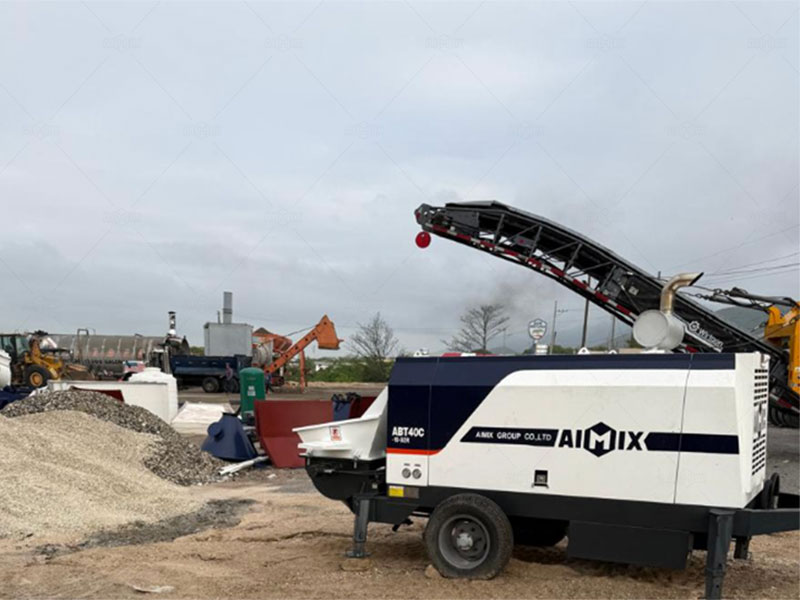
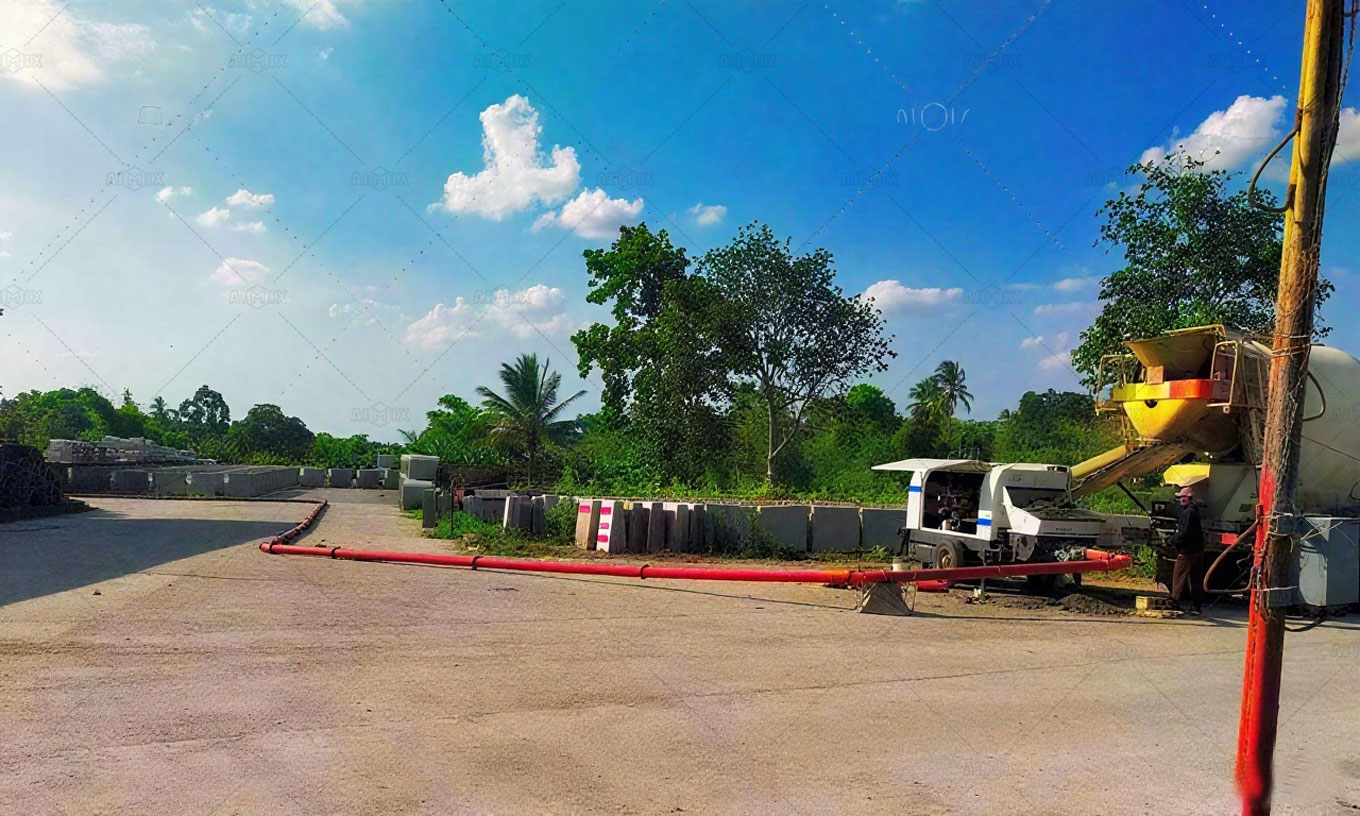
Bridge piers and foundations can be located between carriageways, beside existing roads, or inside excavated work zones. A concrete pump in UAE can separate the concrete delivery point from the actual placement location, allowing trucks to discharge where access is available while concrete travels through a pipeline toward the foundation.
This arrangement becomes particularly useful when direct truck access would interfere with traffic management or other construction equipment. The pump itself must still be positioned on stable ground with adequate working clearance and access for operation and maintenance.
Elevated Structures Increase the Importance of Pumping Distance
Bridge decks and elevated ramp structures may require concrete to be transported vertically before it reaches the placing crew. The pumping system should therefore be assessed against the complete delivery route rather than horizontal distance alone. Vertical rise, pipeline configuration, concrete workability, and required output all influence the practical pumping conditions.
Placement Speed Should Match the Finishing Operation
Concrete placement is not simply a race to maximize pump output. The placing crew must distribute, consolidate, level, and finish the concrete as it arrives. If concrete reaches the work area faster than the crew can manage, the operation can become congested. A balanced pumping rate allows production and finishing activities to progress in tandem.
Consider Cost and Equipment Utilization Before Major Pours
Concrete Pump Price Depends on the Complete Configuration
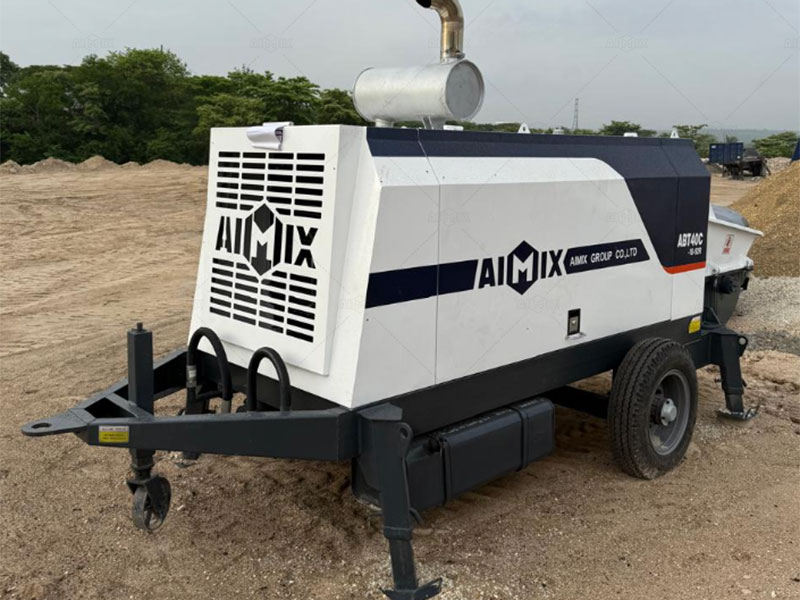
When contractors evaluate concrete pumping machine price, the headline equipment figure is only one part of the calculation. Pump capacity, power source, pumping distance, configuration, transportation, pipeline requirements, and project duration can all affect the overall equipment requirement. A system selected for a short foundation pour may not provide the same utilization value as one deployed repeatedly across bridge piers, retaining walls, and elevated structures.
Contractors should therefore consider how frequently the pump will be used, how easily it can move between work zones, and whether the selected capacity corresponds to the project’s actual concrete demand. Equipment utilization can become especially important on long interchange projects where concrete work is distributed across several construction stages.
Equipment Selection Should Reflect Project Progression
A highway interchange evolves rapidly. During early earthworks, equipment may have broad access. Later, newly constructed ramps and bridge structures can restrict movement. Contractors planning to purchase or rent a concrete pump machine for sale should consider not only the current work zone but also how the equipment will be transported and repositioned during subsequent stages.
Mobility Can Reduce Relocation Disruptions
A pumping system that can be moved efficiently between planned pouring areas can reduce downtime between construction stages. However, mobility should be evaluated alongside output, pumping range, footprint, and site access. The smallest machine is not automatically suitable, nor is the highest-capacity machine necessarily required for every interchange component.
Manage Concrete Work Under UAE Site Conditions
High Temperatures Influence Pour Scheduling
Concrete work in the UAE can take place under demanding thermal conditions, particularly during hotter periods. Contractors must coordinate concrete delivery and placement schedules with the project’s concrete specifications and established temperature-control procedures. Shorter waiting periods between production and placement can help maintain a more predictable workflow.
Traffic Management Must Be Integrated With Concrete Logistics
Interchange projects frequently operate alongside live or temporarily diverted traffic. Concrete trucks need defined access and exit routes, while small concrete pumps require safe positioning away from moving vehicles and other site operations. Delivery schedules should therefore be coordinated with traffic-management plans rather than arranged independently.
Highway interchange construction in the UAE is ultimately a concrete logistics problem as much as a structural one. The most important considerations include pumping distance, elevation, pipeline routing, delivery continuity, equipment utilization, traffic restrictions, site progression, and local working conditions. By planning these elements together, contractors can establish a more predictable concrete workflow for foundations, piers, retaining structures, ramps, and bridge decks throughout the interchange project.