Starting a concrete manufacturing business requires careful planning, especially when evaluating the investment needed for a ready mix concrete plant. With the increasing demand for high-quality concrete in infrastructure, commercial construction, residential development, and industrial projects, many entrepreneurs are considering establishing their own concrete production facilities. However, understanding the total investment, equipment requirements, operating expenses, and market conditions is essential before making a decision. Whether you plan to invest in a ready mix plant Singapore, a ready mix concrete plant in Bangladesh, or another regional market, a detailed cost analysis can help build a more profitable business strategy.
Understanding the Initial Ready Mix Concrete Plant Cost
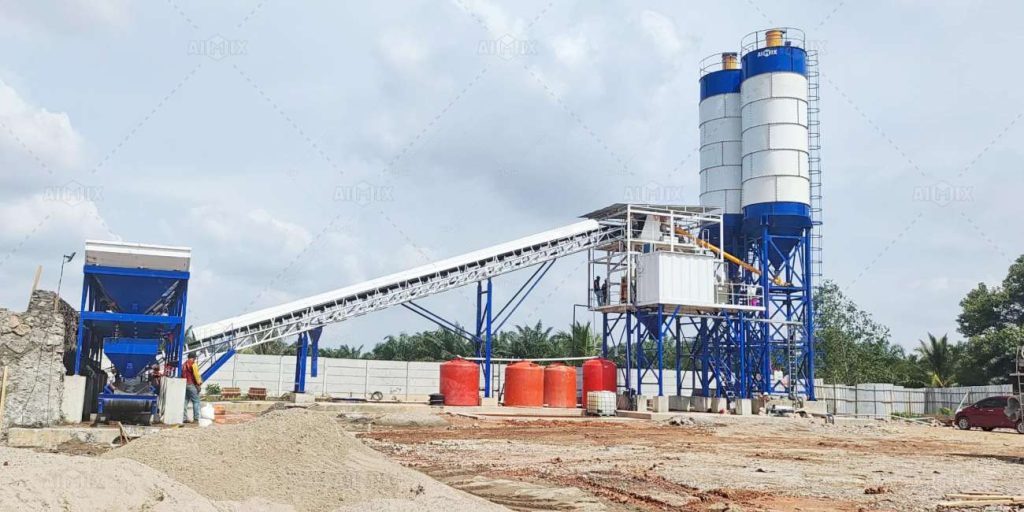
The initial cost of a ready mix concrete plant depends on several factors, including plant capacity, equipment configuration, automation level, installation requirements, and additional facilities. A small-scale plant designed for local construction projects requires a lower investment, while a commercial-scale concrete production facility requires higher capital due to larger storage systems, advanced control technology, and higher production capacity.
The main investment components usually include the batching plant itself, cement silos, aggregate storage systems, mixers, weighing systems, control systems, transportation equipment, site preparation, and installation costs. Entrepreneurs should also consider land preparation, electricity supply, environmental protection equipment, and working capital when calculating the overall budget.
Equipment Selection Determines Investment Value
Choosing suitable equipment is one of the most important steps when planning how to start a ready mix concrete plant. The selected plant should match the expected market demand and project requirements. Installing oversized equipment may increase unnecessary costs, while insufficient production capacity can limit business growth.
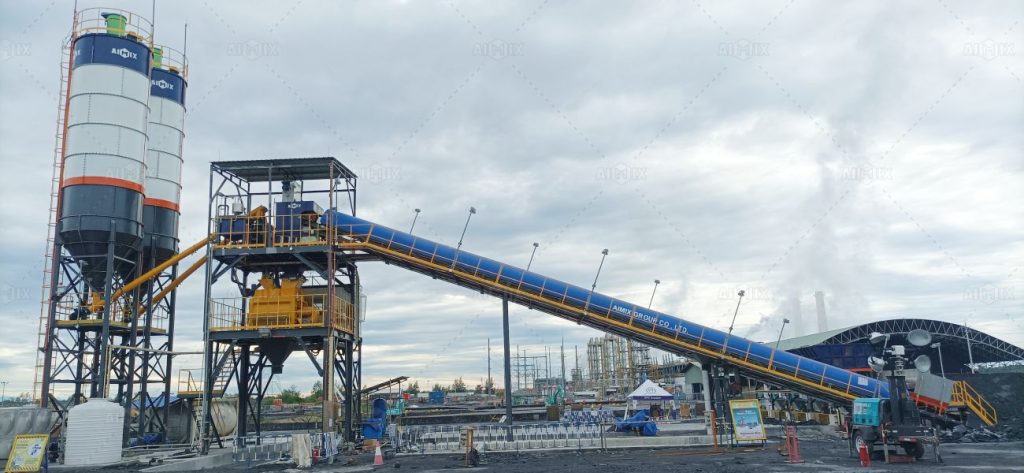
For businesses serving multiple construction projects, a stationary ready mix concrete plant is often preferred because it provides stable production capacity and efficient long-term operation. These plants are suitable for commercial concrete suppliers that need continuous output and consistent concrete quality.
For contractors working on different locations or temporary projects, a mobile solution can be more economical. A mobile batching plant offers easier transportation, faster installation, and greater flexibility, helping businesses supply concrete closer to construction sites.
Regional Considerations: Ready Mix Plant Singapore
The market conditions of each region can significantly influence ready mix concrete plant costs. For example, investing in a ready mix plant Singapore requires consideration of factors such as land availability, environmental regulations, labor costs, and construction demand.
Singapore has a highly developed construction industry with strict requirements for quality control, productivity, and environmental protection. Therefore, concrete businesses often need advanced batching systems with accurate weighing technology, automation features, and efficient material management solutions. Although the initial investment may be higher, modern equipment can help reduce operational costs and improve long-term competitiveness.
For companies operating in developed markets, selecting a reliable manufacturer that can provide technical support, customized design, and after-sales service is essential for maintaining stable plant performance.
Investment Opportunities with a Ready Mix Concrete Plant in Bangladesh
Emerging construction markets also provide significant opportunities for ready mix concrete businesses. A ready mix concrete plant in Bangladesh can benefit from increasing demand driven by urban expansion, infrastructure projects, residential construction, and industrial development.
Compared with more developed markets, investment costs in Bangladesh may vary depending on local equipment availability, transportation conditions, labor expenses, and project scale. Entrepreneurs should evaluate regional demand carefully and select plant capacity according to local market opportunities.
For new investors, starting with a medium-capacity plant can be a practical approach. It allows businesses to establish market presence while maintaining manageable investment costs. As demand increases, production capacity can be expanded through additional equipment or upgraded systems.
Operating Costs and Long-Term Profitability
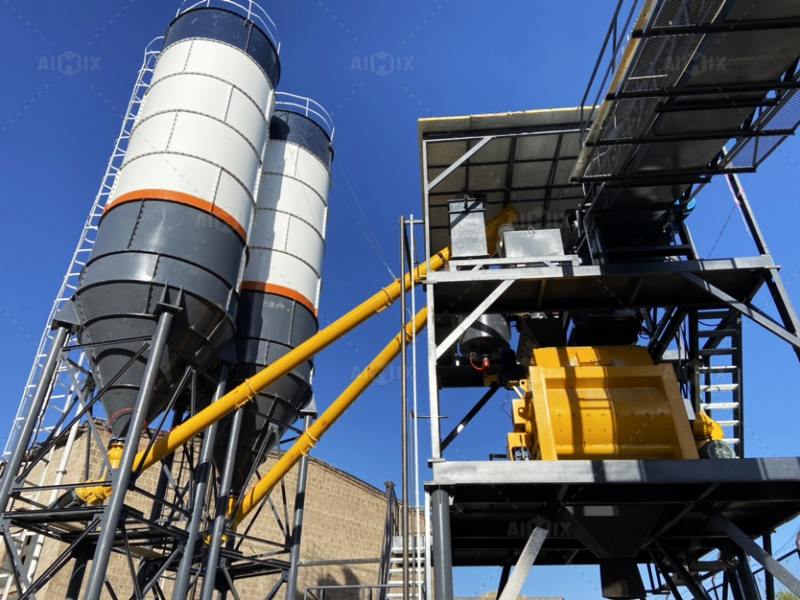
The profitability of a ready mix concrete business depends not only on the initial purchase cost but also on long-term operating expenses. Key operating costs include electricity consumption, fuel usage, labor, raw materials, equipment maintenance, and transportation.
Modern batching plants with automation systems can improve production efficiency by reducing material waste and minimizing manual errors. Accurate weighing systems ensure consistent concrete quality, while intelligent control systems help operators monitor production and reduce downtime.
Maintenance is another important factor affecting profitability. Regular inspection of mixers, conveyors, weighing systems, and electrical components helps prevent unexpected failures and extends equipment service life.
How to Start a Ready Mix Concrete Plant Successfully
Understanding how to start a ready mix concrete plant involves more than purchasing equipment. Entrepreneurs should develop a complete business plan covering market research, investment budgeting, production planning, customer targeting, and operational management.
The first step is analyzing local concrete demand and identifying potential customers, such as construction companies, contractors, infrastructure developers, and real estate businesses. After determining market potential, investors can select suitable equipment capacity and plant configuration.
Working with an experienced ready mix concrete plant manufacturer can simplify the process. Professional suppliers can provide project consultation, equipment recommendations, installation support, operator training, and technical assistance to help new businesses start operations smoothly.
Conclusion
The cost of starting a ready mix concrete manufacturing business depends on many factors, including equipment selection, production capacity, location, and operational requirements. Whether establishing a ready mix plant Singapore, a ready mix concrete plant in Bangladesh, or another regional concrete production facility, investors should focus on long-term value rather than only initial price. By understanding how to start a ready mix concrete plant, selecting reliable equipment, and planning operating costs carefully, entrepreneurs can build an efficient concrete business with strong growth potential.