Rural infrastructure development has become a key factor supporting construction growth across Latin America. As governments and private investors improve roads, bridges, irrigation systems, housing projects, and public facilities in remote areas, contractors need equipment that can deliver concrete efficiently under challenging conditions. A self-loading concrete mixer is becoming an increasingly valuable solution because it combines material loading, weighing, mixing, and transportation in one machine, helping small and medium-sized projects reduce costs and improve productivity.
Many rural construction sites in Latin America face limited access to ready-mix concrete plants, long transportation distances, and difficult terrain. In these situations, a self-loading concrete mixer(autohormigonera) provides greater flexibility by allowing contractors to produce concrete directly at the job site. This advantage is especially important for regions where infrastructure expansion requires fast deployment and reliable concrete supply.
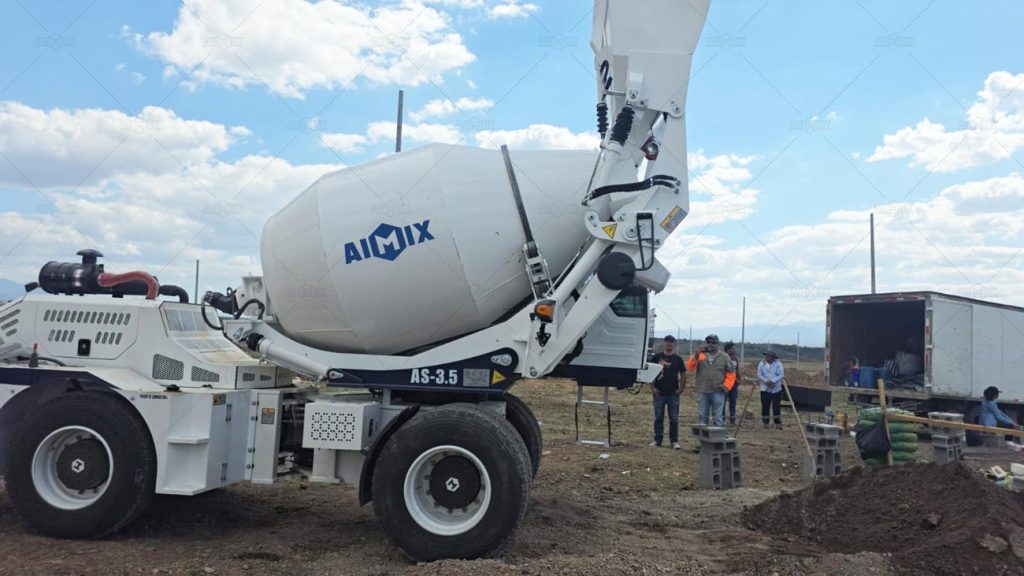
Why Rural Infrastructure Projects Need Flexible Concrete Equipment
The expansion of rural infrastructure involves various construction activities, including rural road upgrades, community buildings, agricultural facilities, and water conservation projects. These projects are often located far from urban centers, making traditional concrete supply methods less practical.
Reducing Transportation Challenges in Remote Areas
Transporting ready-mix concrete over long distances can increase costs and affect concrete quality due to delays. A self-loading concrete mixer eliminates the need for frequent concrete deliveries by producing fresh concrete directly where it is needed. Contractors can adjust production according to project progress, reducing material waste and improving construction efficiency.
Supporting Small and Medium Construction Projects
Many rural infrastructure projects do not require large concrete production systems but still need consistent concrete output. A compact self-loading concrete mixer allows contractors to complete projects with lower investment while maintaining professional construction standards. This makes the equipment suitable for rural roads, bridges, residential developments, and agricultural infrastructure.
Growth Opportunities for Self-Loading Concrete Mixers in Latin America
Latin American countries are increasing investment in transportation networks and rural development programs. As more regions require improved connectivity and public services, demand for efficient concrete equipment continues to grow. Contractors are looking for machines that provide mobility, operational simplicity, and strong adaptability.
Increasing Demand for Mobile Construction Solutions
Unlike fixed concrete production systems, self-loading concrete mixers can move between different construction locations. This mobility helps contractors handle multiple projects across large rural areas without investing in several types of equipment. For companies searching for a self-loading concrete mixer for sale(Para empresas que buscan una venta de autohormigonera), machine flexibility and operating efficiency have become important factors during purchasing decisions.
Adapting to Different Regional Construction Conditions
Latin America includes diverse environments, from mountainous areas to agricultural plains. Construction equipment must perform reliably under different working conditions. Self-loading concrete mixers are designed to operate in areas where infrastructure and transportation conditions may be limited, making them suitable for various rural construction applications.
Important Factors When Choosing a Self-Loading Concrete Mixer
Selecting the right equipment requires consideration of production capacity, operating environment, maintenance requirements, and technical support. Contractors should evaluate whether the machine can meet current project needs while providing long-term value.
Machine Capacity and Configuration
- Choose a mixer capacity according to daily concrete demand and project scale.
- Consider the working space and transportation conditions at rural construction sites.
- Evaluate loading, mixing, and discharging performance to improve productivity.
Operation Training and Technical Support
Simple operation is one of the advantages of self-loading concrete mixers, but proper training is still important for maximizing equipment performance. A detailed self-loading concrete mixer user manual(manual de uso detallado de autohormigonera) helps operators understand machine functions, maintenance procedures, and safety requirements. Professional supplier support can also reduce downtime and improve equipment lifespan.
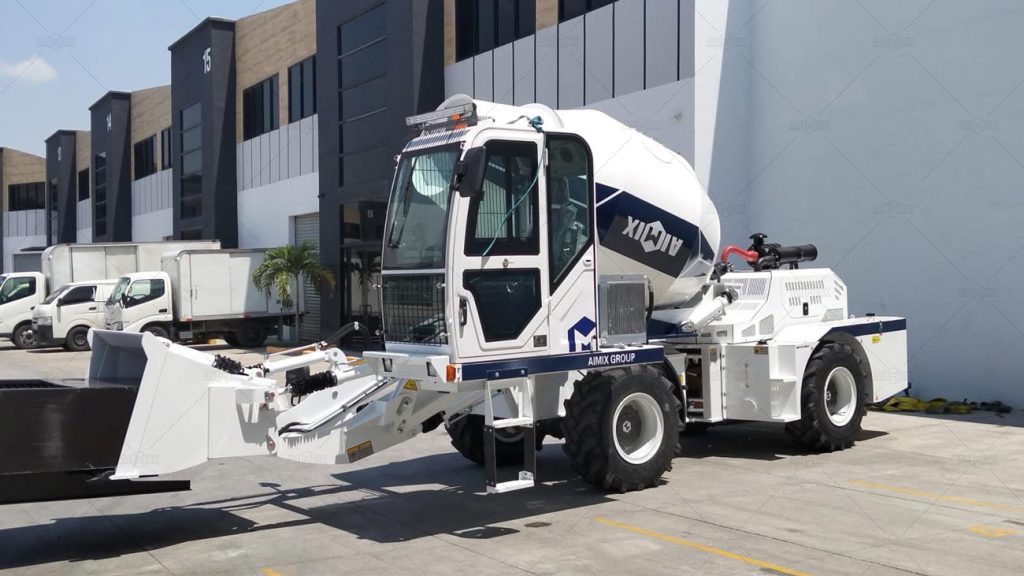
Market Potential of Self-Loading Concrete Mixers in Colombia and Latin America
Colombia is one of the markets where rural infrastructure improvement is creating new opportunities for advanced construction equipment. Many projects require concrete solutions that can work efficiently in remote areas with limited access to traditional concrete supply chains. A self-loading concrete mixer Colombia(autohormigonera Colombia) solution can help contractors improve project flexibility and reduce dependence on external concrete suppliers.
Applications in Rural Roads and Public Facilities
Rural road construction, bridge repair, and community infrastructure projects require reliable concrete production. Self-loading concrete mixers allow contractors to produce concrete close to the construction area, which helps accelerate project schedules and reduce logistical challenges.
Helping Contractors Improve Project Efficiency
For local contractors, equipment investment decisions are closely related to operating costs and project profitability. A self-loading concrete mixer can reduce labor requirements, simplify transportation processes, and increase productivity. These benefits make it an attractive option for companies working on distributed rural construction projects.
Future Development Trends for Concrete Equipment in Rural Construction
The future demand for self-loading concrete mixers in Latin America is expected to continue growing as infrastructure development expands. Contractors are increasingly interested in equipment with intelligent control systems, improved fuel efficiency, easier maintenance, and stronger adaptability.
Manufacturers that provide complete solutions, including technical guidance, spare parts support, and operation training, will be better positioned to meet the needs of regional customers. With continued investment in rural infrastructure, self-loading concrete mixers will play an important role in improving construction efficiency and supporting sustainable development across Latin America.