Rural roads construction crews operating across dispersed maintenance sites face operational complexity that stationary plants cannot address effectively. A mini asphalt plant positioned strategically near work zones eliminates transport time and material degradation while enabling rapid response to weather windows and crew scheduling changes. When integrated with an asphalt emulsion plant capability, the mini asphalt plant becomes a versatile asset that handles hot mix patching, cold-mix shoulder repairs, and surface treatments without requiring multiple specialized facilities. Understanding the practical differences between hot mix output and emulsion-based repair work, combined with supplier configurations that enable rapid switching between applications, determines whether rural roads construction projects maintain schedule efficiency or suffer from material logistics bottlenecks.
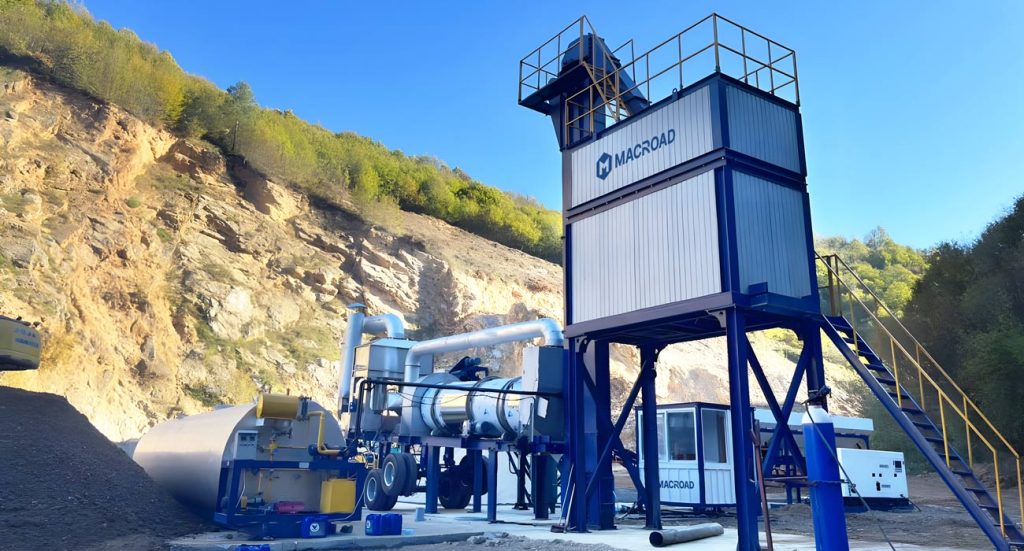
Hot Mix Versus Emulsion: Crew Skill and Material Handling Implications
The distinction between hot mix output from a mini asphalt plant and emulsion-based repair work fundamentally shapes crew composition and training requirements on rural roads construction sites. Hot mix patching demands immediate placement before material temperature drops below workable ranges, typically 300-330 degrees Fahrenheit, creating strict time constraints that require experienced paving crews and coordinated equipment positioning. Crews must understand compaction timing, roller pressure sequencing, and temperature monitoring protocols that differ substantially from emulsion application procedures, where material remains workable for hours after placement and allows flexible crew scheduling.
An asphalt emulsion plant integrated with mini asphalt plant operations enables contractors to deploy less-specialized crews for shoulder repairs and surface treatments, reducing labor costs while maintaining quality standards. Emulsion-based work tolerates cooler ambient temperatures and variable curing times, allowing rural roads construction teams to work during shoulder seasons when hot mix operations become unreliable. The practical advantage emerges in crew cross-training efficiency: a mini asphalt plant operator can manage both hot mix production and emulsion mixing with modest equipment familiarity, whereas traditional operations require separate specialists for each material type. Contractors evaluating mini asphalt plant configurations should prioritize suppliers offering integrated control systems that allow single-operator management of both hot and cold mix production, reducing staffing complexity across dispersed rural roads construction sites.
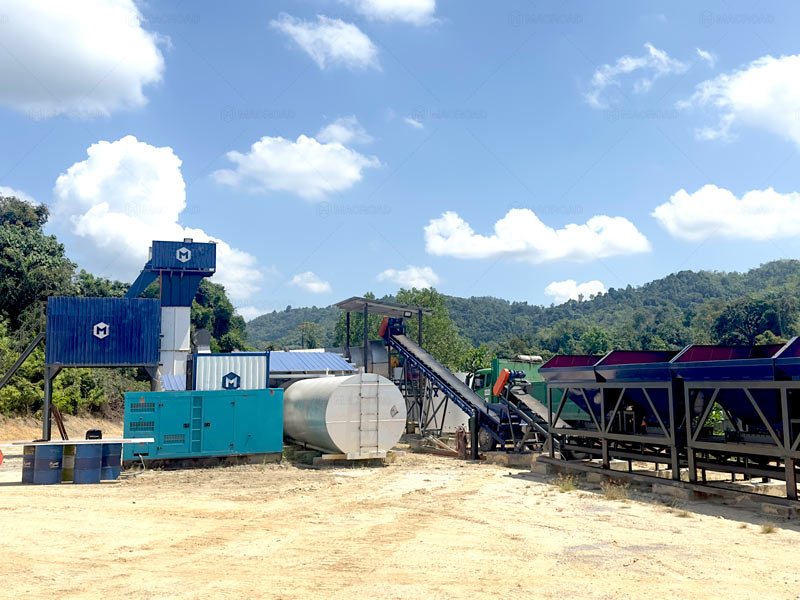
Curing Time Constraints and Weather Dependency in Dispersed Operations
Curing time represents a critical operational variable that distinguishes hot mix patching from emulsion-based repair work on rural roads construction projects. Hot mix materials achieve initial set within 2-4 hours under favorable conditions but require full curing over 24-48 hours before accepting traffic loads, creating scheduling pressure when multiple repair sites demand sequential attention. An asphalt emulsion plant produces materials that cure through water evaporation rather than thermal cooling, allowing crews to open patched sections to traffic within 4-6 hours under moderate conditions, substantially improving project throughput on maintenance-heavy roads.
Weather sensitivity creates practical complications that mini asphalt plant operators must anticipate during rural roads construction planning. Hot mix operations become unreliable below 50 degrees Fahrenheit and during precipitation events, forcing production shutdowns that disrupt crew schedules and delay project completion. Emulsion-based work from an asphalt emulsion plant continues during cooler temperatures and light rain, enabling contractors to maintain productivity during extended shoulder seasons when hot mix operations stall. A mini asphalt plant with integrated emulsion capability allows rural roads construction teams to transition between material types based on real-time weather conditions rather than abandoning work sites when temperature or moisture conditions deteriorate. Suppliers offering rapid switchover configurations with dedicated storage tanks for both hot and cold materials enable crews to maximize productive hours across dispersed maintenance sites without equipment downtime or material waste.
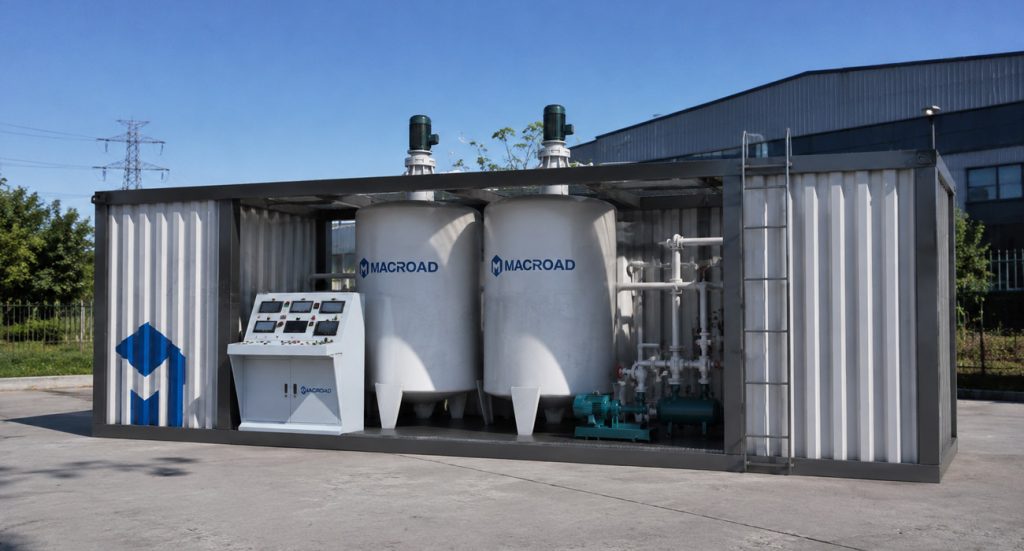
Material Storage Architecture and Rapid Application Switching
Storage infrastructure determines whether a mini asphalt plant becomes a productivity asset or a logistical constraint on rural roads construction projects. Hot mix materials require heated storage tanks maintained at 300+ degrees Fahrenheit, consuming continuous fuel energy and creating safety hazards on confined work sites. An asphalt emulsion plant operates at ambient temperature, eliminating heating requirements and enabling simpler storage tank configurations that reduce equipment footprint and fuel consumption. Contractors managing multiple dispersed repair sites benefit substantially from mini asphalt plant designs incorporating both heated and ambient storage capacity, allowing crews to stockpile materials for sequential application without requiring return trips to central facilities.
Rapid switching between patching, surfacing, and shoulder repair applications demands modular equipment design that separates material production from application logistics. A mini asphalt plant with independent mixing chambers for hot and cold materials enables operators to produce emulsion-based shoulder repair material while hot mix batches cure at previous work sites, eliminating idle time and maximizing crew utilization across rural roads construction zones. Suppliers offering quick-disconnect storage tank configurations and portable transfer equipment reduce setup time between applications from 45-60 minutes to 15-20 minutes, a seemingly modest improvement that compounds substantially across multiple daily site transitions. Material storage tanks positioned on mobile platforms allow contractors to relocate the mini asphalt plant and asphalt emulsion plant capability to new work zones without dismantling permanent infrastructure, preserving operational flexibility essential for maintenance-heavy roads where repair locations shift frequently based on seasonal deterioration patterns.
Conclusion
A mini asphalt plant integrated with asphalt emulsion plant capability transforms rural roads construction operations by enabling flexible material selection based on site conditions, crew availability, and weather windows. Understanding the practical differences between hot mix curing constraints and emulsion-based flexibility allows contractors to optimize crew scheduling and maximize productive hours across dispersed maintenance sites. Asphalt plant suppliers providing modular equipment configurations with rapid switching capability between patching, surfacing, and shoulder repair applications justify premium pricing through reduced downtime, improved crew efficiency, and consistent project delivery on maintenance-heavy roads where operational flexibility determines profitability and schedule adherence.