For an asphalt paving company, buying a 100 TPH asphalt plant is not simply a decision about equipment. It is a decision about where asphalt supply comes from, how much material the company can control, and how reliably it can support paving projects. A 100 TPH plant can produce up to 100 tons of asphalt mix per hour under suitable operating conditions. However, the real return on investment depends on how often the plant runs, how much the company currently pays for purchased asphalt, transport distance, fuel and energy costs, maintenance, labor, and the volume of paving work available. Therefore, the right ROI question is not “How much does a 100 TPH asphalt plant make?” but rather “How much additional margin and operational value can this plant create for my paving business?”
That distinction matters because two paving companies can buy the same 100 TPH asphalt plant and achieve very different financial results. One company may operate the plant several days a week and supply multiple road projects. Another may only use it for a few short projects each month. As a result, production capacity alone does not determine ROI. Utilization and the local asphalt supply situation matter just as much.
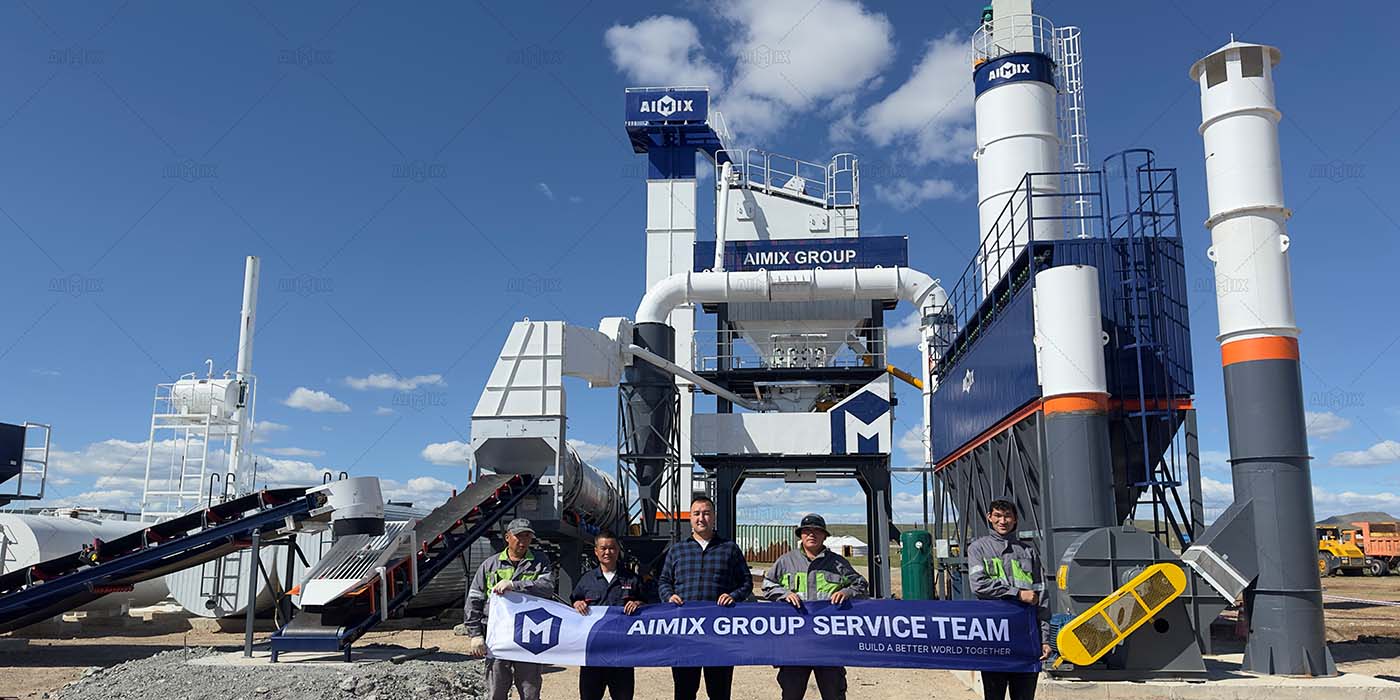
Why A 100 TPH Asphalt Plant Can Change A Paving Company’s Cost Structure
Before calculating ROI, it helps to understand where the financial benefit comes from. A paving contractor normally buys asphalt mix from an external supplier or obtains it from a plant located near the project. The delivered price includes more than aggregate, bitumen, and production. It can also include transportation, supplier margin, loading, waiting time, and other logistics costs.
When a paving company produces its own asphalt mix, some of these costs move inside the company. The business still pays for raw materials, fuel, electricity, labor, maintenance, and plant operation. However, it gains more control over production and scheduling. Therefore, the economic benefit comes from the difference between the cost of producing a ton internally and the total delivered cost of purchasing that ton.
This is the first number an asphalt paving company should calculate. Once the saving per ton is known, the next step is to estimate realistic annual production. For contractors comparing an asphalt plant for sale, this calculation also helps determine whether the proposed capacity matches actual project demand.
Production Capacity Is Not The Same As Annual Production
A 100 TPH asphalt plant has a nominal production capacity of 100 tons per hour. That does not mean it will produce 100 tons every hour of the year. Real projects involve setup time, material loading, maintenance, weather interruptions, job changes, and periods when no paving work requires asphalt.
For example, if a company runs the plant for 6 productive hours per day, the theoretical daily output is:
If the plant operates for 120 productive days in a year, the theoretical annual production would be about 72,000 tons. The actual figure can be lower because the plant may not operate at full rated capacity throughout every production period.
Therefore, it is better to build an ROI model around actual project demand rather than the maximum nameplate capacity.
How Much Asphalt Can A 100 TPH Plant Produce?
The answer depends on operating hours and utilization. This is important for paving companies because project schedules rarely remain constant throughout the year. A contractor may have several months with heavy roadwork and other periods with much lower demand.
| Operating Scenario | Operating Hours | Nominal Daily Output | Annual Production At 120 Days |
|---|---|---|---|
| Short production shift | 4 hours/day | 400 tons/day | 48,000 tons/year |
| Moderate production shift | 6 hours/day | 600 tons/day | 72,000 tons/year |
| Long production shift | 8 hours/day | 800 tons/day | 96,000 tons/year |
These figures are simple capacity calculations, not guaranteed production. Actual output depends on aggregate moisture, mix design, plant configuration, loading efficiency, fuel, maintenance, site conditions, and operating practice.
More importantly, the paving company should compare these numbers with its own asphalt consumption. If the company only needs 20,000 tons per year, a 100 TPH plant may have significant unused capacity. If it regularly consumes 50,000 to 80,000 tons per year, the plant has more opportunity to spread its fixed investment across a larger production volume.
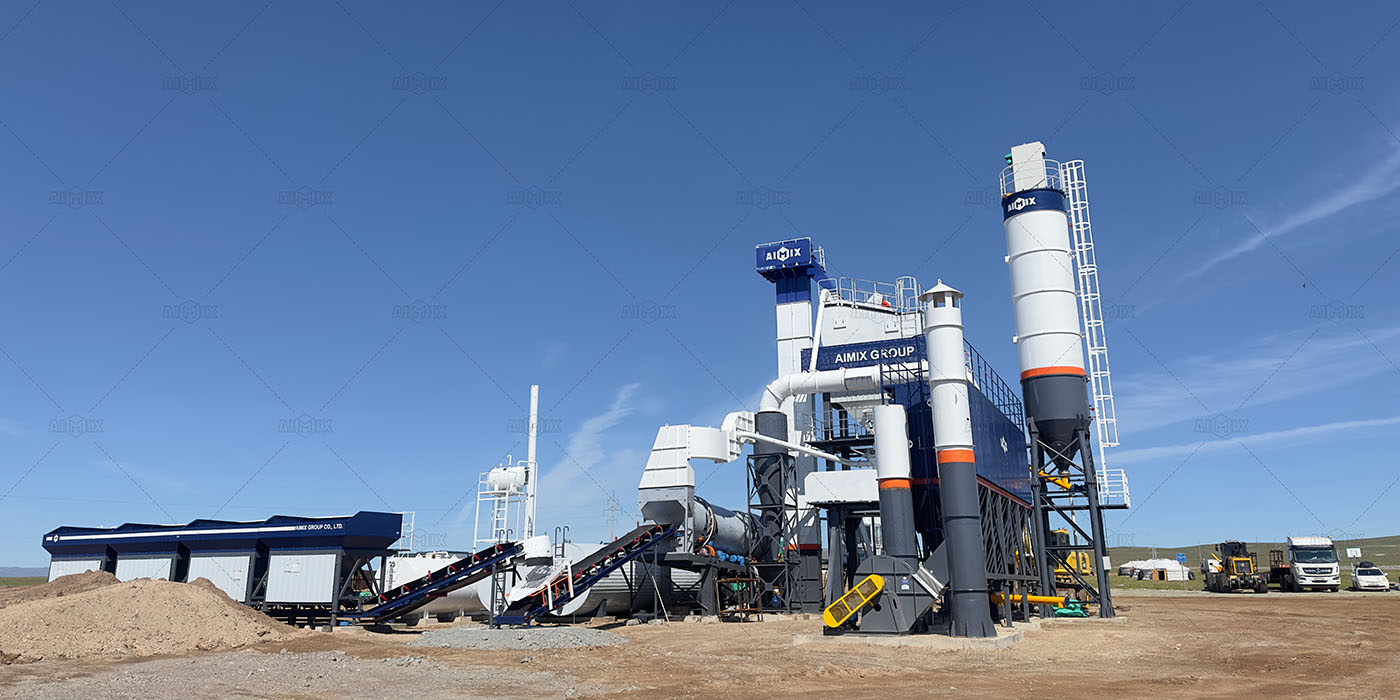
What Determines The ROI Of A 100 TPH Asphalt Plant?
Once production demand is established, the ROI calculation becomes much clearer. Several variables directly affect the result. Because these variables differ from one market to another, an asphalt plant should not be evaluated using a single universal payback number.
1. Annual Asphalt Demand
Annual demand is usually the starting point. A paving contractor should review its recent project records and estimate how many tons of asphalt it buys or consumes each year.
- Total asphalt purchased during the last 12 to 24 months.
- Expected asphalt volume from current contracts.
- Potential production volume from future projects.
- Seasonal changes in paving activity.
- Potential third-party asphalt sales when internal demand is low.
If the company can consistently consume a large share of its own production capacity, the fixed cost of the plant can be distributed across more tons. In contrast, low utilization increases the investment cost per ton.
2. Purchased Asphalt Price
The local delivered asphalt price has a major effect on ROI. A company should not compare its plant production cost with the supplier’s factory price alone. The relevant comparison is the price the paving company actually pays to receive asphalt at the job site or its required delivery point.
For example, a supplier may offer asphalt at a competitive plant-gate price. However, a long haul can add a significant transport component. Waiting time can also affect truck utilization and project productivity. Therefore, transportation can become an important part of the business case for an in-house plant.
3. In-House Production Cost
Producing asphalt internally does not mean producing it for free. The company must calculate all major operating expenses.
- Aggregate and mineral filler.
- Bitumen or asphalt binder.
- Fuel or energy for heating and drying.
- Electricity.
- Plant operators and supporting labor.
- Routine maintenance.
- Wear parts and replacement components.
- Loader operation and aggregate handling.
- Quality control and testing.
- Site costs and other operating expenses.
The calculation becomes more reliable when these costs are converted into a cost per ton. That figure can then be compared directly with the delivered purchase price. For paving companies that need consistent hot asphalt production, a properly selected hot mix asphalt plant should therefore be evaluated together with its expected fuel, material, labor, and maintenance costs.
How To Calculate The Potential Annual Savings
After calculating the production cost, the next step is straightforward. Multiply the potential saving per ton by the number of tons produced for the company’s own paving projects.
Consider an illustrative example. Suppose a paving company currently pays an average delivered cost of $70 per ton for asphalt. After accounting for aggregate, bitumen, fuel, electricity, labor, maintenance, and other operating costs, its estimated in-house production cost is $58 per ton.
The potential difference would be:
If the company produces 50,000 tons for its own projects during a year, the theoretical annual operating saving would be:
This is not the same as net profit. The company still needs to account for financing, depreciation, taxes, insurance, site preparation, plant installation, and other ownership costs. However, it gives the management team a useful starting point for investment analysis.

Why Transportation Can Have A Major Effect On ROI
For many paving companies, asphalt logistics are as important as asphalt production. A plant located far from the project can increase truck requirements and create delivery risks. The problem becomes more noticeable when paving crews must maintain a continuous paving operation.
If asphalt trucks arrive too slowly, the paver may need to reduce its speed or stop. That can affect crew productivity and project scheduling. On the other hand, producing asphalt closer to the paving operation can reduce haul distance when the plant location is properly selected.
However, a local plant is not automatically cheaper. The company should compare the complete logistics chain, including aggregate transport, bitumen delivery, finished mix haulage, loader movement, and site access.
Shorter Haul Distance Can Improve Operational Control
The financial benefit may therefore extend beyond the direct price difference per ton. A paving contractor can potentially gain more control over delivery timing and production scheduling. This can be especially useful for large road projects where asphalt demand changes throughout the day.
In other words, ROI can include both measurable cost savings and operational improvements. The second category should be quantified where possible instead of being treated as a vague benefit.
What Does The Payback Period Look Like?
The payback period shows how long it may take for cumulative operating benefits to recover the initial investment. It is one of the simplest metrics for management teams to understand.
For example, assume a company invests $500,000 in an asphalt plant project. This figure is only an illustration and may include the plant and selected project costs. Suppose the calculated annual net operating benefit reaches $250,000 after operating expenses and other relevant annual costs.
Under these assumptions, the simple payback period would be approximately two years. However, management should not treat this as a guaranteed two-year return. If asphalt demand falls, production utilization drops, fuel costs rise, or maintenance expenses increase, the actual payback period will change.
What Investment Costs Should A Paving Company Include?
A common mistake is to calculate ROI from the equipment purchase price alone. A realistic investment model should include the complete project cost.
- Asphalt plant purchase price.
- Shipping and import costs where applicable.
- Foundation or site preparation.
- Electrical installation.
- Fuel storage and supply systems.
- Aggregate storage and handling equipment.
- Environmental and dust-control systems.
- Installation and commissioning.
- Initial spare parts and maintenance items.
- Operator training.
- Testing and quality-control equipment.
- Permits and local compliance costs.
The exact list depends on the country, plant configuration, site conditions, and local regulations. Therefore, a supplier quotation should be reviewed as a complete project proposal rather than as a single equipment price.
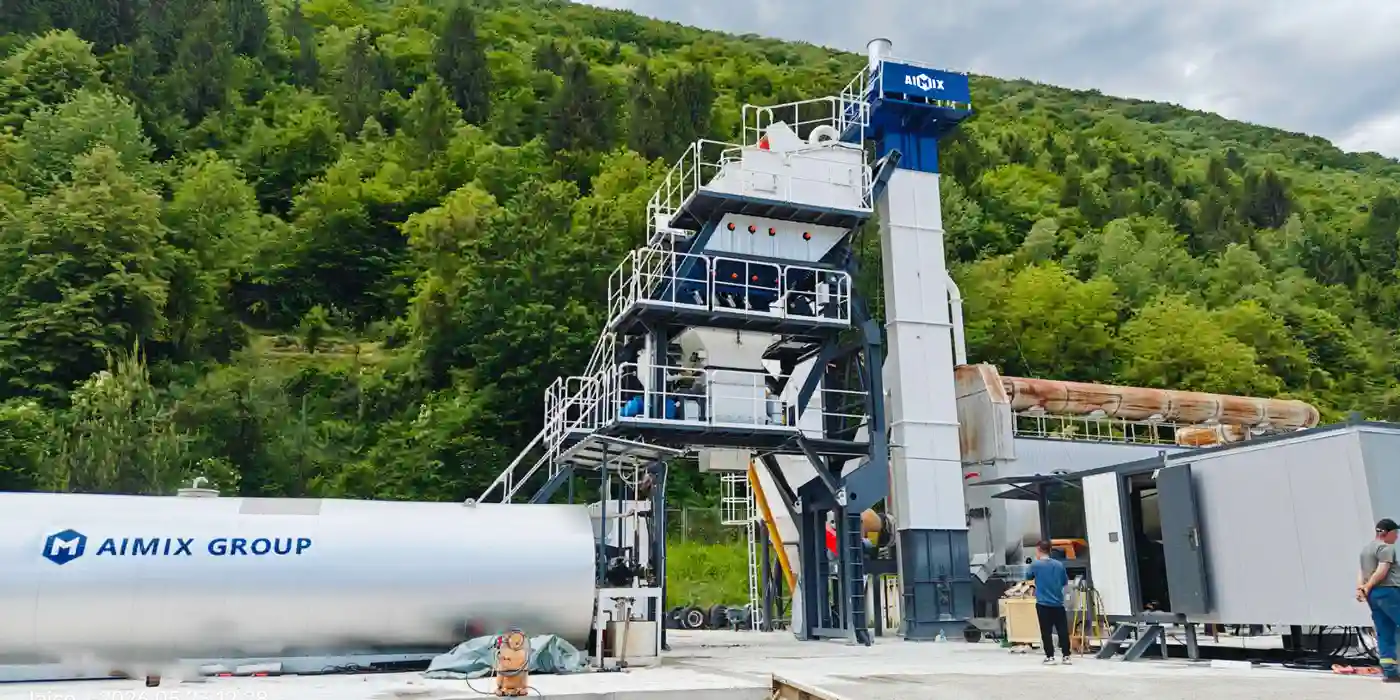
When Does A 100 TPH Asphalt Plant Make More Financial Sense?
The strongest business case usually appears when a paving company has a relatively stable flow of asphalt-intensive projects. This does not necessarily mean the plant must operate every day. Instead, the company needs enough annual production to make good use of the equipment.
Several situations deserve closer analysis.
Multiple Road Projects In The Same Region
A contractor working on several road, highway, municipal, or industrial paving projects can potentially use the same plant across multiple contracts. This improves annual utilization and reduces dependence on one project.
High Delivered Asphalt Costs
If purchased asphalt carries a high transportation component, an in-house plant may create a larger cost difference. The contractor should calculate the actual delivered cost rather than relying on a supplier’s advertised plant-gate price.
Frequent Asphalt Supply Constraints
Supply availability can also influence the investment case. If external suppliers have limited production windows, long delivery distances, or tight schedules during peak construction periods, owning production capacity can provide greater control over project planning.
Opportunity To Sell Surplus Asphalt
A paving company does not necessarily need to consume every ton of its production. Where regulations, market demand, and business strategy allow, surplus production can potentially serve other contractors or projects. This can increase plant utilization.
However, third-party sales require their own analysis. The company needs to consider credit risk, logistics, quality requirements, customer management, and additional sales costs.
When Should A Company Be Careful About The Investment?
Owning an asphalt plant also introduces new responsibilities. Therefore, a paving contractor should test the downside scenario before making the investment.
For example, if annual asphalt demand is highly uncertain, the plant may operate below its practical utilization level. Fixed ownership costs then become a larger cost per ton. The company also takes responsibility for maintenance, raw material procurement, quality control, environmental compliance, and plant operation.
A useful sensitivity analysis can test at least three production scenarios.
| Scenario | Annual Production | Illustrative Saving/Ton | Illustrative Annual Gross Saving |
|---|---|---|---|
| Lower Utilization | 30,000 tons | $10/ton | $300,000 |
| Moderate Utilization | 50,000 tons | $12/ton | $600,000 |
| Higher Utilization | 70,000 tons | $12/ton | $840,000 |
The values above are illustrative only. Actual savings depend on local aggregate and bitumen prices, energy consumption, plant utilization, transport costs, labor, maintenance, financing, and other project-specific factors.
This scenario approach is more useful than relying on one optimistic ROI calculation. If the investment remains workable under a lower-production scenario, the company has a clearer understanding of its financial exposure.
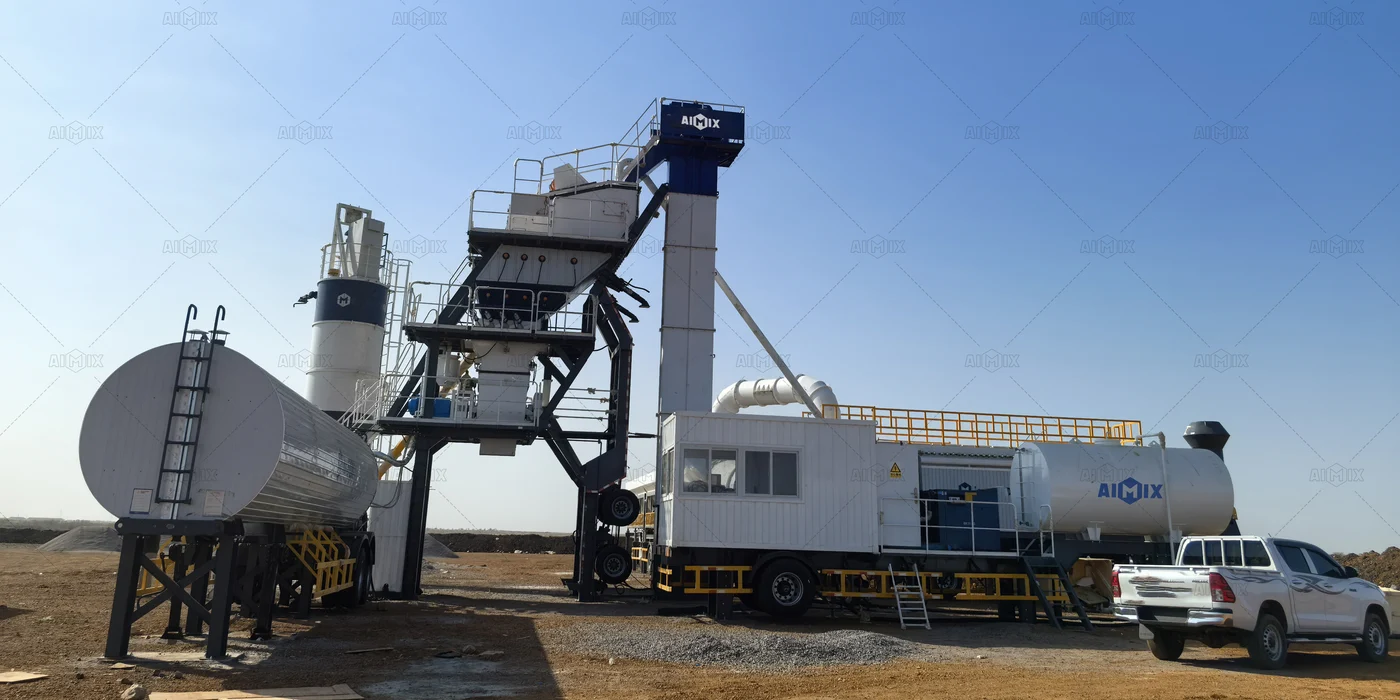
How Plant Type And Configuration Affect The Business Case
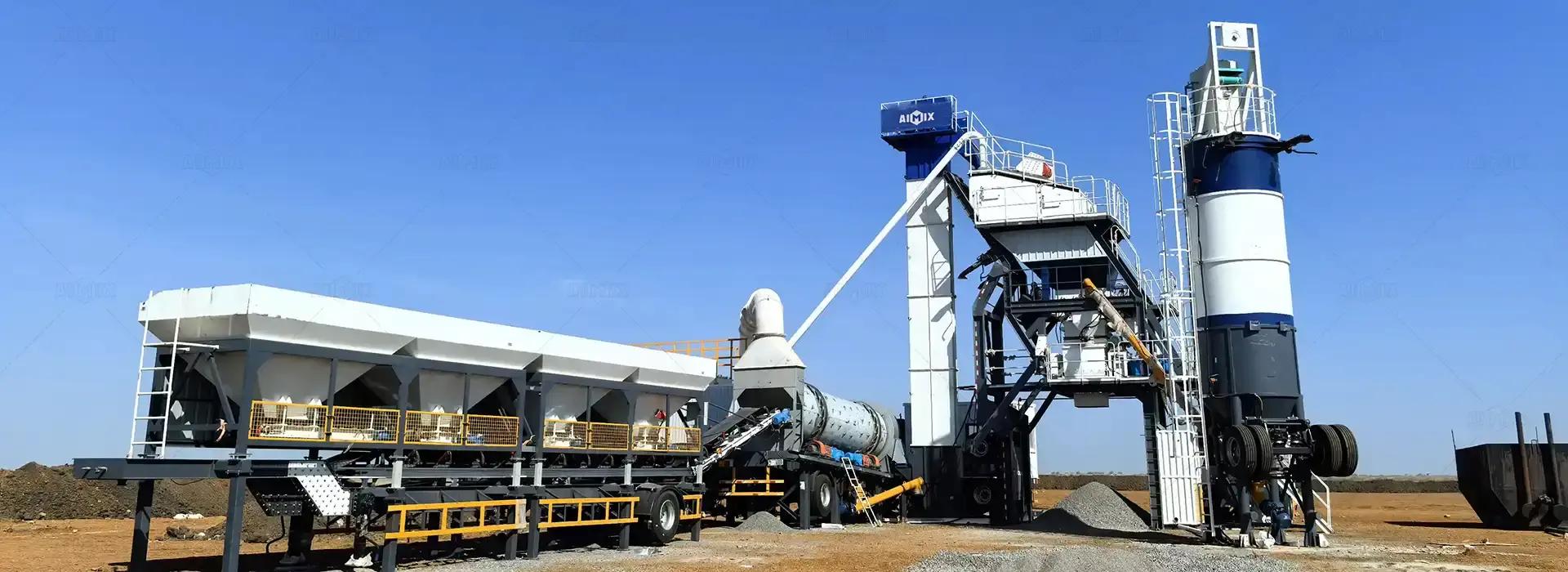
A 100 TPH asphalt plant can use different configurations depending on the contractor’s project requirements. A stationary batch plant may suit a company with a long-term production site and relatively stable demand. A mobile asphalt batch plant can offer greater flexibility when the contractor moves between projects or needs to establish production closer to different work areas.
For companies that expect to move production between road projects, a mobile asphalt batch mix plant can be evaluated as part of the ROI calculation. The key question is not simply whether the plant can move. Instead, the contractor should calculate whether relocation, setup time, transport, and reduced permanent site requirements create enough value for its actual project pattern.
The decision should therefore connect plant configuration with project duration and location. A contractor should not choose mobility simply because it sounds more flexible. The company should calculate whether relocation, setup time, transport, and reduced site infrastructure provide enough value for its actual project pattern.
Batch Production Can Also Support Mix Flexibility
For paving companies working with different asphalt specifications, batch production can provide a practical advantage. The plant can produce controlled batches according to the required mix design. This can be useful when projects require different aggregate gradations or binder specifications.
Nevertheless, the plant should be selected according to the company’s actual mix requirements. More features do not automatically create a higher ROI. The right configuration is the one that supports the company’s production and project requirements without unnecessary capital expenditure.
ROI Should Include More Than Direct Cost Savings
Direct production savings are usually the easiest part of the calculation. Yet a paving company’s investment decision can also involve several operational factors.
- Scheduling: Production can be coordinated more closely with paving operations.
- Supply control: The company has greater control over when asphalt production starts and stops.
- Project flexibility: Production can be planned around different project requirements.
- Transport planning: Plant location can be selected with project logistics in mind.
- Business expansion: Additional production capacity may support new contracts where legally and commercially practical.
- Quality management: The contractor can directly manage key parts of the asphalt production process.
These factors should not be assigned an arbitrary dollar value. Instead, the company should identify which ones can be measured. For example, reduced truck waiting time can be converted into equipment-hour savings. Reduced haul distance can be calculated from fuel and truck operating costs. Better scheduling can be evaluated through actual project productivity.
What Questions Should A Paving Company Ask Before Buying?
A good ROI calculation starts with good project data. Before requesting a quotation, the contractor should prepare several figures from its existing business. Working with an experienced asphalt plant supplier can also help the contractor identify the equipment configuration and supporting systems that match these project conditions.
- How many tons of asphalt does the company purchase each year?
- What is the average delivered asphalt cost per ton?
- How far does asphalt normally travel from the supplier to the paving site?
- How many paving days does the company expect each year?
- How many tons does each major project require?
- How many hours per day can the plant realistically operate?
- What are the local aggregate, bitumen, fuel, and electricity costs?
- Will the plant serve one long-term site or multiple projects?
- Is a stationary or mobile asphalt batch plant better suited to the project pattern?
- What permits and environmental requirements apply to the selected site?
- Who will operate and maintain the plant?
- What technical support and spare parts will be available?
With these answers, the ROI calculation becomes much more specific. Instead of asking whether a 100 TPH asphalt plant is “profitable,” the company can calculate its own production cost, expected utilization, annual benefit, and potential payback period.
Build The ROI Around Your Actual Asphalt Demand
For an asphalt paving company, a 100 TPH asphalt plant can become a major production asset. But its financial value depends on utilization rather than capacity alone. A plant that produces 100 tons per hour for a few hours on selected project days has a very different economic profile from a plant that supports tens of thousands of tons of annual paving work.
The most practical approach is to work backward from your projects. Start with annual asphalt demand. Then calculate your current delivered asphalt cost. Next, estimate the complete in-house production cost. After that, account for plant investment, installation, financing, maintenance, and site costs. Finally, test the result under lower, expected, and higher utilization scenarios.
This process gives the management team a much clearer picture of whether the equipment can support its long-term paving strategy.
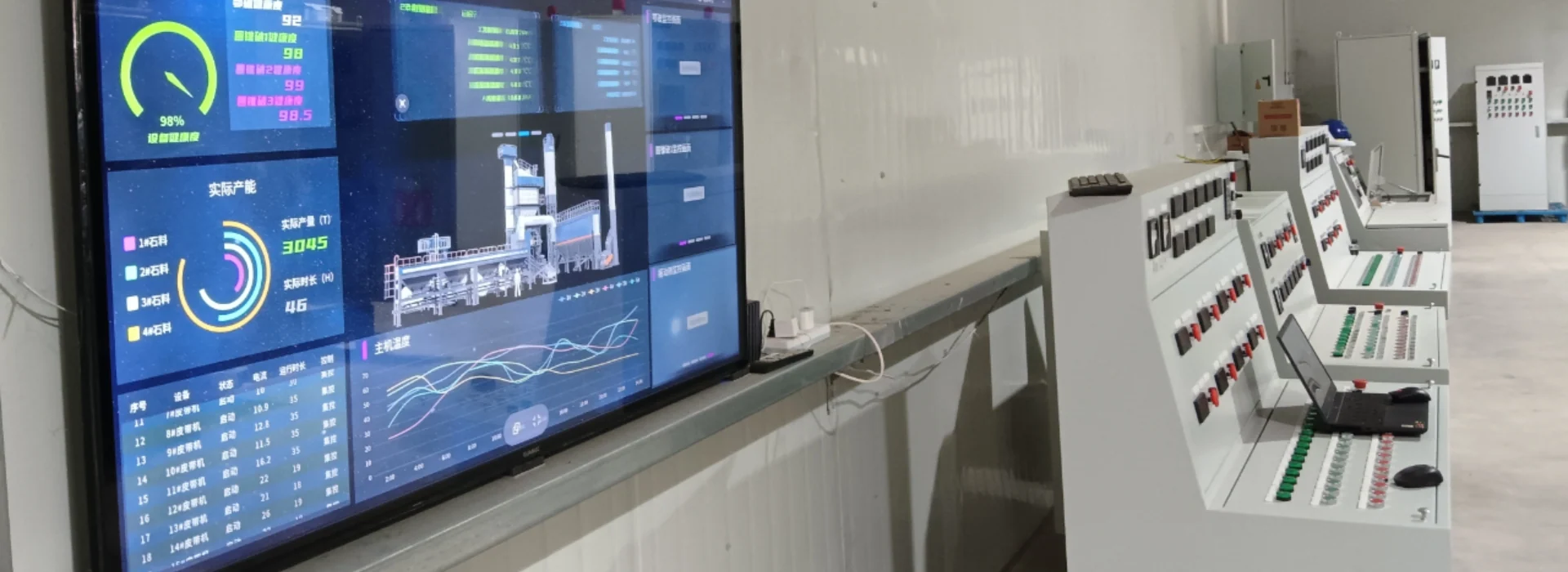
Need To Estimate The ROI For Your 100 TPH Asphalt Plant Project?
Every paving company has a different asphalt demand, project distance, material cost, and operating schedule. Therefore, a useful ROI estimate should use your actual project conditions rather than a generic payback promise.
If you are considering a 100 TPH asphalt plant, prepare your expected annual asphalt volume, project locations, operating days, required mix type, and current purchased asphalt cost. These figures can be used to evaluate the suitable asphalt plant configuration, production capacity, operating requirements, and potential investment return.