Sourcing the Optimal Crusher Machine in Indonesia for Archipelagic Highway Infrastructure
Indonesia is expanding its regional toll road networks rapidly. Consequently, local contractors face massive demands for high-quality crushed aggregate. However, the archipelagic geography introduces severe logistical challenges for transporting heavy equipment. This technical guide explains how to select the right crushing configuration. Ultimately, a calculated purchase secures your project timeline.
Analyzing Regional Material and Logistical Obstacles
Contractors must process tough local materials under challenging environmental conditions. Specifically, Indonesian volcanic deposits feature exceptionally hard andesite and basalt formations. These rocks require high crushing forces to fracture. Therefore, selecting the correct mechanical setup determines your operating margins. Let us examine how physical geography influences equipment decisions.
Before purchasing machinery, you must analyze your typical transport routes. Moving heavy equipment between separate islands is highly expensive. Consequently, your setup must balance raw power with physical transportability. We will compare stationary installations with highly mobile machinery layouts.
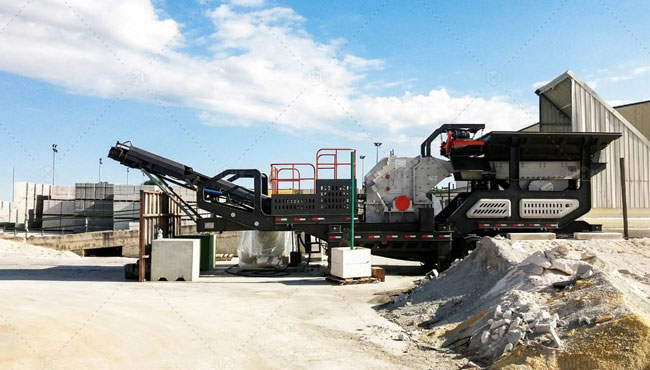
Sourcing Reliable Jaw Crushers for Sale for Primary Reduction
The primary reduction stage breaks massive quarry boulders into mid-sized gravel. Heavy-duty compressive force is essential for processing hard volcanic rocks. Therefore, contractors often search for durable jaw crushers for sale online.
These machines compress tough rocks between thick manganese steel jaw plates. This classic mechanical design resists abrasive wear extremely well. Consequently, you lower your primary wear expenses significantly. A reliable jaw unit prevents material blockages at the secondary inlet. Thus, you secure a continuous aggregate flow on site.
Integrating a Plant Crusher Machine for Large-Scale Stationary Production
When operating in a permanent quarry with high output requirements, stationary systems excel. A dedicated plant crusher machine delivers unmatched volumetric output.
These large systems utilize permanent concrete foundations and heavy conveyor networks. Additionally, stationary plants operate on stable high-voltage electrical connections. Consequently, you achieve lower operating costs per ton compared to mobile units. This configuration is highly profitable for long-term projects in Java. However, moving this equipment between different islands is extremely difficult.
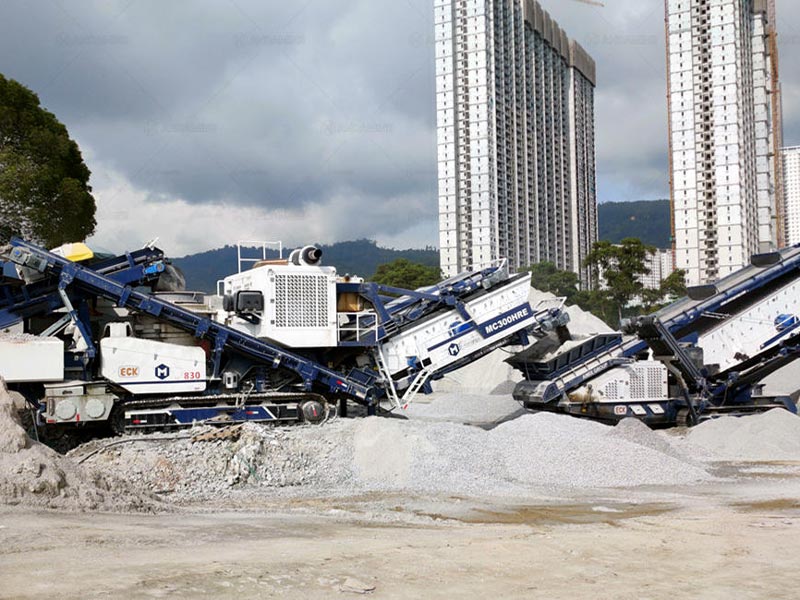
The Operational Advantages of Mobile Crusher Indonesia Systems
Many infrastructure projects move continuously along long transportation corridors. Therefore, stationary setups can become highly inefficient over time. Hauling raw stones over long distances raises your haulage fuel bills. Consequently, contractors increasingly choose highly portable aggregate processing fleets. Let us explore the benefits of mobile processing on dynamic sites.
Deploying a mobile crusher indonesia fleet solves linear transit bottlenecks completely. You can process material directly adjacent to your active construction site. This localized approach reduces your reliance on external aggregate suppliers. We will analyze the primary mobile configurations available today.
Achieving Archipelagic Agility with a Track Mounted Crusher
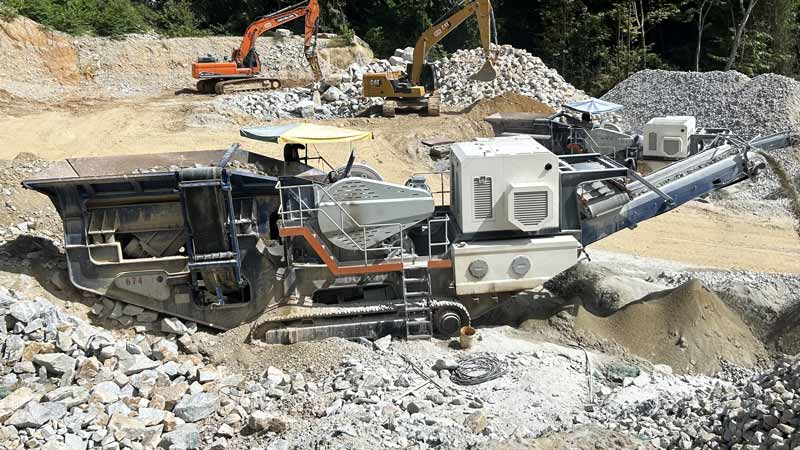
For projects requiring frequent site changes, track units offer outstanding flexibility. A heavy-duty track mounted crusher moves independently using simple remote controls.
You do not need to build expensive concrete foundations to operate. Instead, you drive the machine off the trailer and begin crushing aggregate within hours. This speed simplifies site mobilization across separate islands. The robust steel tracks distribute machine weight evenly on loose soil. Thus, the unit operates safely on steep, unpaved mountain roads.
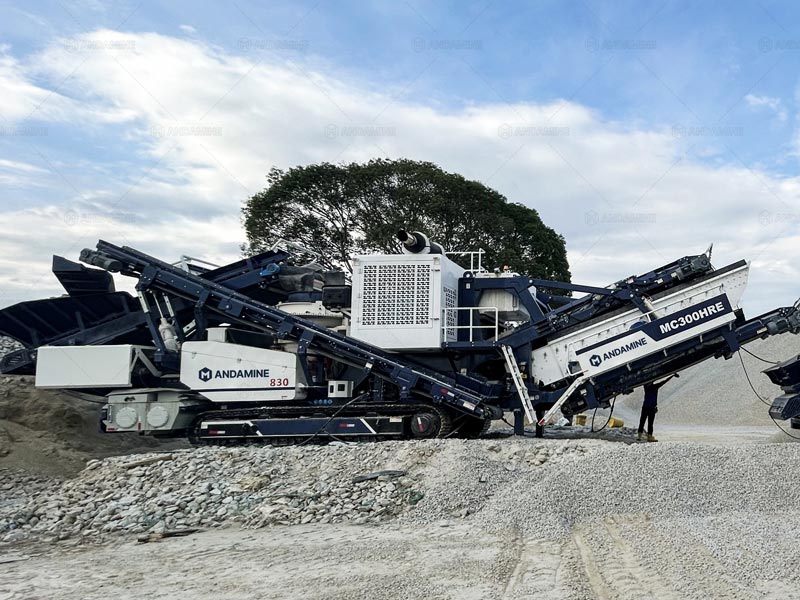
Deploying Mobile Impact Crushers and Mobile Cone Crushers for Secondary Sizing
Secondary processing must shape the fractured rock to meet strict highway codes. Therefore, selecting the correct secondary machine determines your product cubicity.
For softer stones and recycling applications, operators deploy high-velocity mobile impact crushers. These machines utilize rotational kinetic energy to fracture aggregate along natural lines. Consequently, they separate embedded metals from concrete debris cleanly.
Conversely, processing highly abrasive basalt requires compressive forces. In these demanding conditions, utilizing robust mobile cone crushers is the standard approach. These systems compress rocks between a spinning mantle and a fixed bowl. This method consumes less fuel per ton than impactors. It also yields consistent, cubical aggregate for concrete mixes.
Essential Upkeep Protocols for Tropical Environments
Operating heavy quarry equipment in Indonesia puts intense physical stress on parts. High humidity and heavy tropical rainfall accelerate metal corrosion. Additionally, fine rock dust can quickly contaminate high-pressure hydraulic seals. Therefore, your site crew must implement a strict daily maintenance checklist. Regular care prevents sudden breakdowns and protects your capital investment.
Tropical climates require specific lubrication and cleaning habits. Neglecting these daily service intervals leads to rapid mechanical wear. Consequently, we must design an effective preventative maintenance schedule. Let us review the critical daily maintenance steps for Indonesian yards.
Managing High-Silica Andesite Wear Rates
First, clean the main radiator and engine air filters every single evening. Heavy dust blocks air intake and causes diesel engines to overheat. Clean filters preserve engine power and maintain optimal fuel efficiency.
Second, inspect all hydraulic lines and seals daily for physical signs of wear. High-temperature climates put intense thermal stress on fluid seals. Third, apply high-quality grease to the main bearings every morning. This morning grease displaces trapped moisture from humid night air. Thus, you prevent internal rust and expensive bearing seizures.
Strategic Sourcing and Regional Dealer Networks
Purchasing production machinery represents a major long-term capital investment. Therefore, buyers must look beyond the initial purchase price. Sourcing from a reliable supplier keeps your projects running on schedule. Let us analyze how regional dealer support protects your business growth.
A strong partner protects your mechanical assets and secures project timelines. If a component fails, waiting for international shipping halts your project. Therefore, you must evaluate regional support networks before signing contracts. We will examine the key supplier selection parameters.
Verifying Local Spare Parts Inventories
Always choose machinery suppliers who maintain a robust local parts warehouse. Having replacement valves and filters nearby prevents weeks of costly shipping delays.
Additionally, ask about hands-on operator training programs and warranty coverage before buying. Proper operator training reduces transmission wear and lowers daily fuel bills. Choose dealers with service depots in Jakarta, Surabaya, or Medan. These depots ensure that technical assistance can reach your site quickly. Ultimately, a strategic asset purchase secures your long-term corporate profits.
Environmental Compliance and On-Site Safety
Modern industrial sites must follow strict local safety and environmental guidelines. Managing quarry dust and noise levels is critical for community relations. Therefore, operators must implement active suppression methods at the site. Let us explore the primary measures for creating a safer working environment.
Creating a safe workspace reduces liability and improves daily crew productivity. Ground workers must follow clear safety boundaries around active conveyor belts. Consequently, we must standardize safety gear protocols across all shifts. We will review the essential compliance habits.
Implementing Dust Suppression and Personal Protection
First, install high-pressure water spray nozzles at major conveyor discharge points. These sprayers bind fine silica dust particles before they float into the air. Consequently, you protect the respiratory health of your entire ground crew.
Second, ensure that all workers wear proper personal protective equipment. This safety gear includes hard hats, protective goggles, and steel-toed boots. Safe work practices prevent avoidable accidents and keep your project running smoothly.
Conclusion
In summary, designing a successful crushing line requires a thorough analysis of regional logistics. Sourcing a durable track mounted crusher protects your project’s mobility across islands. Define your daily volume targets clearly before selecting a final equipment configuration. Partner with reliable regional dealers who offer robust spare parts support. Ultimately, a strategic asset purchase secures steady aggregate production and long-term profitability.
How Mobile Concrete Batching Plants Solve Concrete Supply Challenges on Remote Construction Sites
The romance of the remote construction project—a bridge spanning a rugged fjord, a wind farm perched on a windswept plateau, or a mining camp deep in the bush—is invariably tempered by the harsh logistical realities of concrete supply. Unlike steel or timber, concrete is a perishable commodity; its properties are a function of time and temperature, governed by the inexorable hydration process that begins the moment water meets cement. For projects situated beyond the reach of conventional ready-mix truck delivery, the challenge is not merely one of inconvenience, but of fundamental structural viability. The tyranny of distance introduces the specter of slump loss, premature setting, and the astronomical costs of trucking dedicated mixer fleets over hundreds of kilometers of treacherous terrain. It is within this crucible of constraint that the mobile concrete batching plant for sale emerges not as a convenience, but as an existential necessity, offering a paradigm of self-sufficiency that redefines the possible in remote construction.
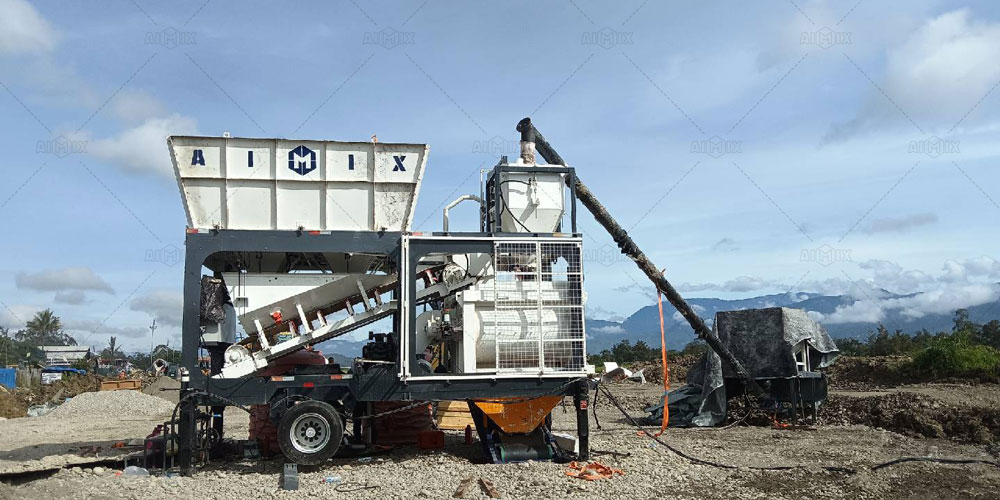
1. The Logistical Gordian Knot of Remote Concreting
Before extolling the virtues of the solution, one must fully appreciate the intractable nature of the problem. Conventional concrete supply chains are predicated on speed and proximity, two luxuries that are conspicuously absent in remote locales.
The Perishability Predicament and Slump Life
Concrete is a fickle matrix. Its workability, measured by the “slump” test, degrades progressively due to a combination of cement hydration and evaporation. Beyond a critical threshold—often less than 90 minutes from batching—the mix becomes unworkable, requiring the addition of water. This superficial remedy, however, catastrophically compromises the water-cement ratio, decimating the final compressive strength. For a remote project reliant on a batch plant for sale situated a hundred kilometers away, the practical “slump life” is entirely exhausted before the truck even reaches the site entrance. This forces a choice between accepting compromised structural integrity or utilizing expensive, powerful retarders that must be precisely tailored to the ambient temperature, adding another layer of complexity and risk.
The Tyranny of the Empty Return Journey
Logistical economics in haulage are mercilessly governed by the cost per loaded kilometer. When a ready-mix truck delivers a load to a remote site, it must return to the plant for its next fill. The expense of the return leg—fuel, driver wages, and vehicle depreciation—yields no productive output, effectively doubling the freight cost per cubic meter of concrete. For a major infrastructural undertaking requiring thousands of cubic meters of material, this inefficiency is a profound hemorrhaging of capital. The mobile batching plant eliminates this empty backhaul by locating the mixing plant at the point of consumption, ensuring that every kilometer travelled by the logistical chain contributes directly to productive output.
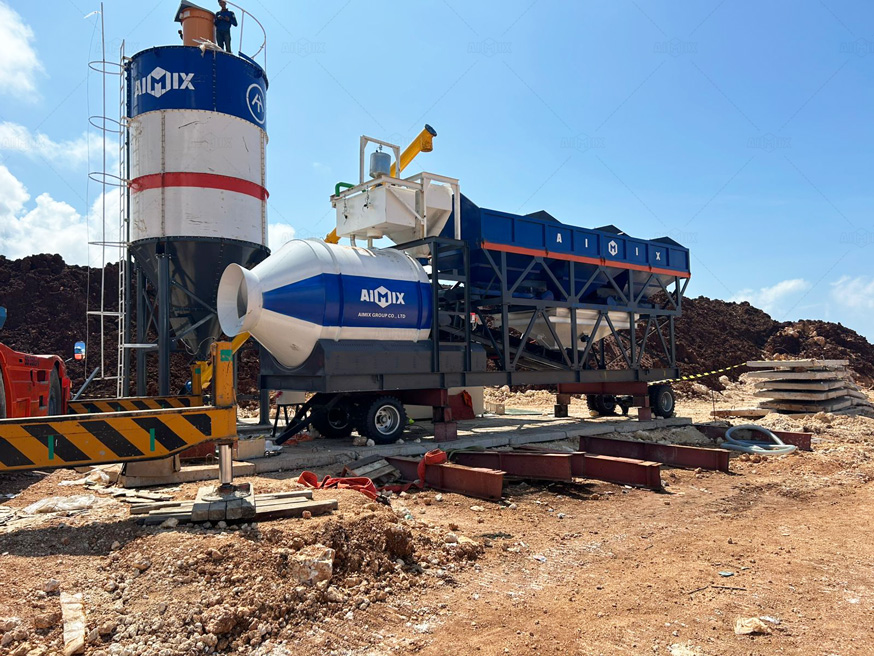
2. The Mobile Batching Plant: A Self-Contained Ecosystem
Mobile concrete batching plants are not merely smaller versions of their stationary cousins. They are engineered artifacts designed for rapid deployment and autonomous operation, representing a unique solution to a unique problem.
Rapid Deployment and “Plug-and-Play” Integration
The quintessential advantage of these systems is their expedited set-up time. Delivered in modular, road-towable configurations, they can be transported using standard prime movers without requiring specialized escorts or extensive route surveys. Upon arrival, the hydraulically actuated sections unfold with minimal requirement for groundwork; the aggregate bins, cement silos, and mixing unit all align with integrated framework. A typical unit can be fully operational within a few hours of arrival, converting a plot of raw land into a fully functioning concrete production facility. This agility allows project managers to sequence the setup precisely, mobilizing the plant only when the critical path demands, thereby conserving capital and optimizing rental periods.
Granular Inventory Control and Custom Mix Design
In the remote context, supply chain interdependency is a vulnerability. The portable concrete batch plant for sale affords unparalleled control over the raw materials inventory. Rather than relying on a distant supplier to manage cement or aggregate quality, the site team can oversee the stockpile, conducting on-the-spot moisture content analysis and sieve testing to ensure compliance. This localized oversight allows the batching plant to produce a diverse array of mix designs on demand, from the highly flowable lean mix for trench fill to the high-strength, low-permeability concrete required for water-retaining structures. This agility is simply impossible when one is chained to a distant, single-purpose ready-mix facility.
Controlling the “Heat of Hydration” in Curing
For mass concrete pours in remote, often extreme climates, managing the internal thermal gradient of the curing mass is paramount. The mobile plant’s ability to precisely control the temperature of the batch water, or even incorporate ice, is a critical asset. By cooling the concrete as it is batched, the plant mitigates the risk of thermal cracking—a phenomenon where the hot core of a concrete mass expands against a cooler, contracted exterior. This ensures the structural integrity of critical infrastructure, which is a non-negotiable requirement for projects like dam walls or deep foundations in permafrost zones. The localized nature of the plant makes this active temperature management logistically feasible.
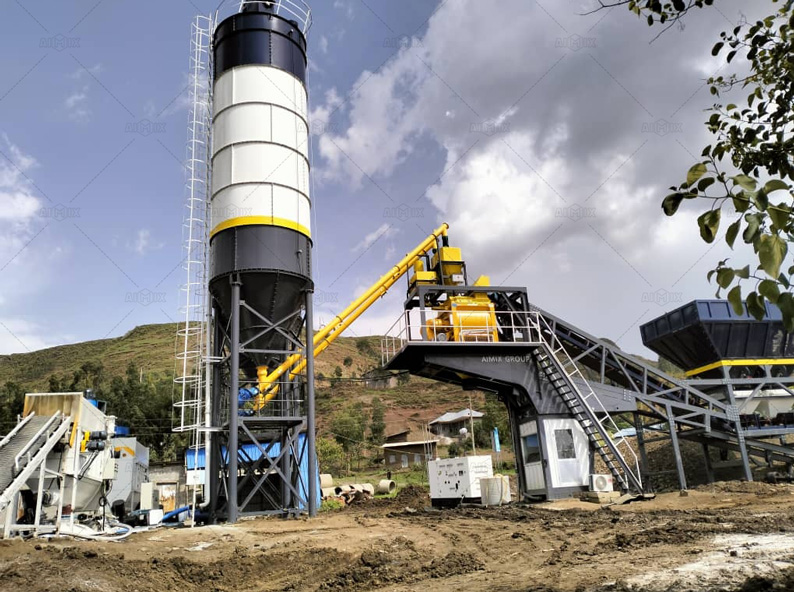
3. Economic and Operational Resilience
Beyond the immediate logistical and technical benefits, the mobile batching plant confers profound economic advantages, insulating the project from market volatility and fostering a resilient operational posture.
Mitigating the Volatility of Bulk Commodity Pricing
The cost of ready-mix concrete is often locked into contracts that factor in transportation overhead, which can fluctuate significantly with diesel prices. A mobile plant allows the project owner to procure raw materials—cement, aggregates, and admixtures—in bulk, directly from the source. This often involves negotiating favorable ex-works pricing, cutting out the intermediary costs of the mixer truck. This procurement strategy provides a hedge against the inflationary pressures that frequently plague the construction sector, enabling the project to adhere more accurately to its baseline budget. The ability to source aggregates locally, where available, further compounds these savings by decoupling the project from global pricing indexes.
Reducing the Carbon Footprint of the Logistics Chain
The modern construction paradigm is increasingly beholden to stringent environmental Key Performance Indicators (KPIs). The cumulative diesel consumption of hundreds of mixer trucks traversing hundreds of kilometers generates a substantial carbon burden. By locating the mini batching plant on-site, the project drastically curtails its Scope 1 emissions associated with material transport. This reduction in “freight intensity” is not only environmentally responsible but also contributes positively to tenders for “green” or sustainable building certifications, which are often a prerequisite for government-backed infrastructure funding. In this regard, the mobile plant is an instrument of environmental stewardship and corporate reputation.
Enhancing Workforce Productivity and Safety
On a remote site, workforce welfare is paramount. A reliable, on-site batching plant eliminates the uncertainty and stress associated with the variable arrival times of ready-mix trucks, which often lead to labor idleness and extended shift durations. The predictability of a “just-in-time” supply allows the concreting gang to work in a consistent, planned rhythm, reducing fatigue and enhancing job satisfaction. Furthermore, it mitigates the hazards of managing a high volume of heavy vehicle traffic within a congested construction environment, reducing the risk of accidents and injuries, and fostering a safer working atmosphere.
Is Buying A 40 TPH Mini Asphalt Plant Cheaper Than Outsourcing Asphalt Supply For 6 Months?
“Should we keep buying asphalt from suppliers, or invest in our own plant?” This is a common question among contractors handling short-term road projects. At first glance, outsourcing looks simple. You just place an order and wait for delivery. However, when projects run for several months, costs start to add up quickly.
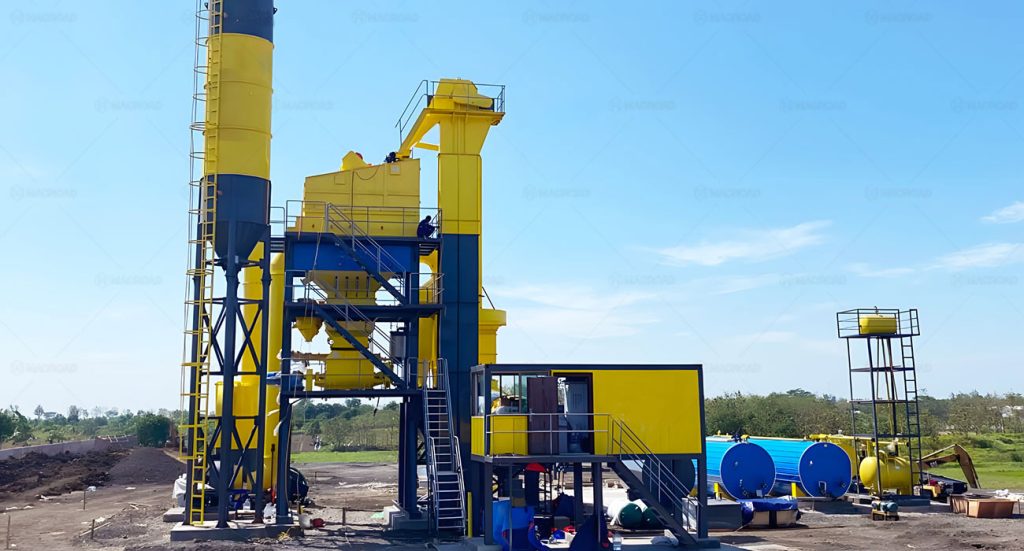
At the same time, a 40 TPH mini asphalt plant offers a different path. It gives you control, flexibility, and potentially lower costs. But is it really cheaper within a 6-month period? In this article, we will break down the real numbers, practical scenarios, and key decision factors. This will help you make a smart, profit-driven choice.
Understanding The Two Options: Buy Or Outsource
Before comparing costs, you need to clearly understand how these two models work in real projects.
What Does Outsourcing Asphalt Supply Mean?
Outsourcing means you purchase hot mix asphalt from a third-party supplier. They produce the mix and deliver it to your site. This approach works well for small or irregular projects.
However, several hidden factors affect your total cost:
– Distance from plant to site
– Traffic delays and waiting time
– Fuel surcharge fluctuations
– Limited control over mix quality and timing
What Does Owning A 40 TPH Mini Asphalt Plant Involve?
A 40 TPH mini asphalt plant is a compact, mobile solution. It produces around 40 tons per hour. This makes it ideal for small to medium road projects, especially in remote areas.
With your own plant, you control production, scheduling, and mix quality. You also reduce reliance on external suppliers.
Now that the two options are clear, let’s move into the most important part—cost comparison.
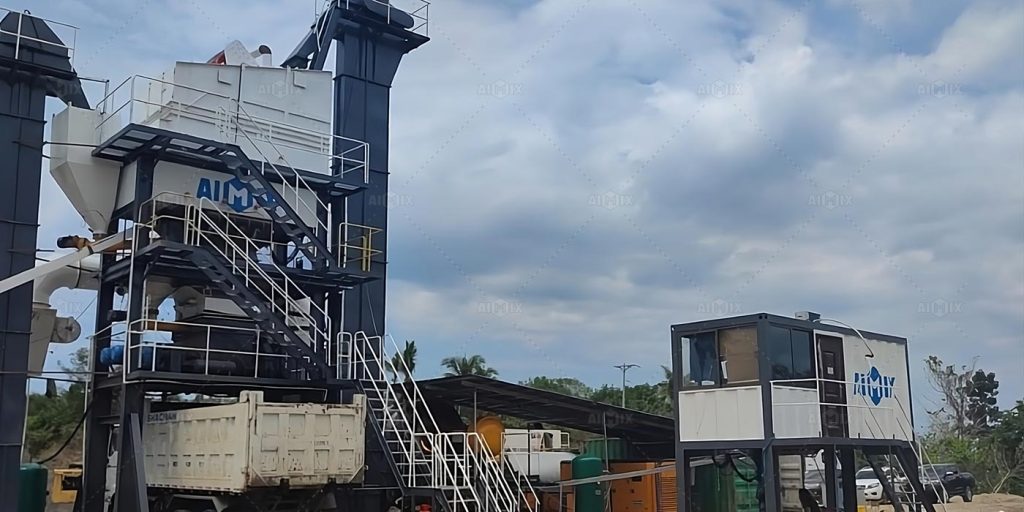
Direct Cost Comparison Over 6 Months
To make a fair comparison, we will use a typical project scenario. Assume you need 20,000 tons of asphalt over 6 months. This is common for municipal roads or rural highway upgrades.
Let’s break it down step by step.
Outsourcing Cost Breakdown
Average asphalt price (delivered): $70–$100 per ton (varies by region)
Total Cost:
20,000 tons × $80 (average) = $1,600,000
But this is not the full story. You should also consider:
– Idle time due to delayed delivery
– Rejected loads due to temperature loss
– Overtime labor costs caused by waiting
In reality, these factors can increase total costs by 5%–10%.
Adjusted Total Cost: $1,680,000 – $1,760,000
Owning A 40 TPH Mini Asphalt Plant Cost Breakdown
Now let’s look at the cost of owning and operating your own plant.
1. Initial Investment (One-Time)
– 40 TPH small scale asphalt plant: $80,000 – $150,000
– Installation and setup: $10,000 – $20,000
Total Initial Cost: ~$120,000
2. Operating Cost (Per Ton)
– Raw materials: $30–$50 per ton
– Fuel: $5–$10 per ton
– Labor: $3–$5 per ton
– Maintenance: $2–$3 per ton
Total Production Cost: ~$45–$65 per ton
Total Cost for 20,000 Tons:
20,000 × $55 (average) = $1,100,000
Plus Initial Investment:
$1,100,000 + $120,000 = $1,220,000
Clearly, the savings are significant.
Total Savings: $400,000 – $500,000 in 6 months
However, cost is not the only factor. Next, we need to examine operational advantages.
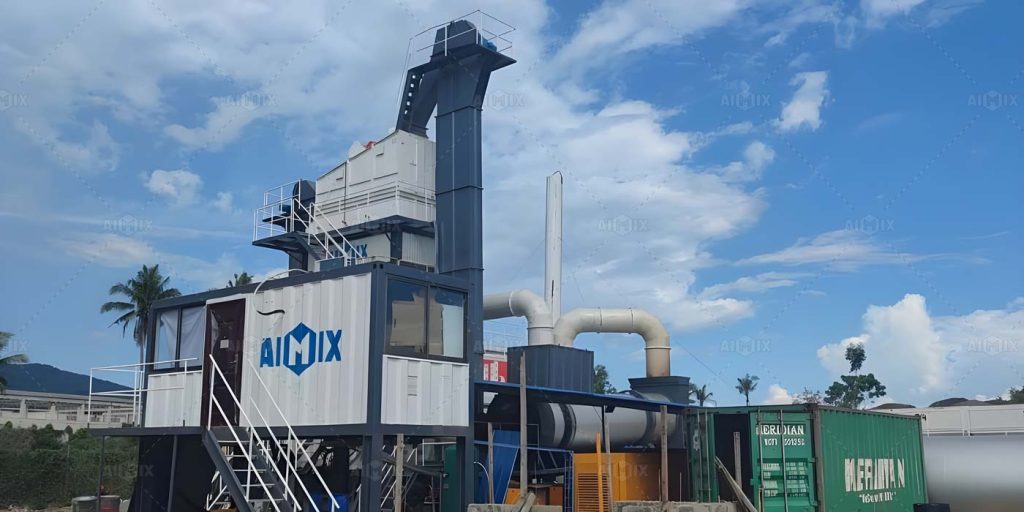
Operational Flexibility And Time Efficiency
Beyond cost, time and flexibility directly affect your project success. This is where many contractors underestimate the value of owning equipment.
With Outsourcing
You depend entirely on supplier schedules. If they delay, your team waits. If traffic slows delivery, asphalt temperature drops.
This leads to:
– Interrupted paving cycles
– Lower compaction quality
– Increased rework risk
With A Mini Asphalt Plant
You produce asphalt on demand. You match production with paving speed. You avoid long-distance transport issues.
As a result:
– Work continues without interruption
– Asphalt quality remains consistent
– Project timelines become more predictable
Therefore, owning a plant improves not only cost control but also execution efficiency.
Project Suitability: When Does Buying Make Sense?
Although owning a plant offers clear benefits, it is not always the best choice. You need to evaluate your project conditions carefully.
Buying A 40 TPH Mini Asphalt Plant Makes Sense When:
– Project duration exceeds 3–4 months
– Total demand exceeds 10,000 tons
– Site is far from commercial asphalt suppliers
– You handle multiple projects within a year
Outsourcing Is Better When:
– Project volume is small (less than 5,000 tons)
– Work duration is very short (1–2 months)
– Reliable suppliers are located nearby
In short, scale and duration are key decision factors.
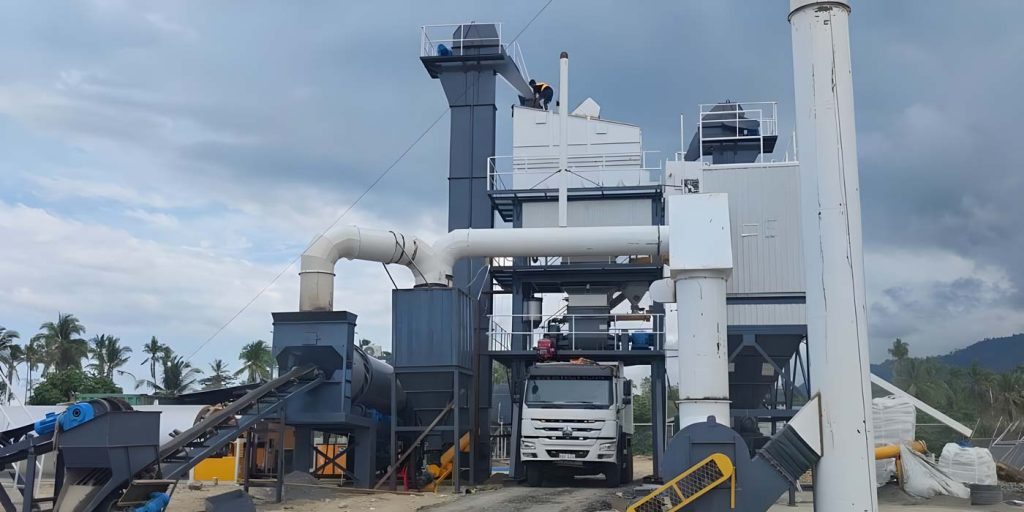
Hidden Value: Long-Term Return On Investment
So far, we have focused on a 6-month project. However, the real advantage of buying a plant becomes clearer over time.
After your first project, the plant is already paid for. Future projects will only incur operating costs.
This creates strong long-term value:
– Lower cost per ton in every new project
– Opportunity to supply asphalt to other contractors
– Higher competitiveness in bidding
In addition, you gain technical experience. This improves your team’s efficiency and reduces reliance on external suppliers.
Risk Factors You Should Not Ignore
While the benefits are clear, you should also consider potential risks. A realistic evaluation helps you avoid costly mistakes.
Key Risks Include:
– Poor site preparation affecting plant stability
– Inexperienced operators causing production inefficiency
– Fuel price fluctuations increasing operating cost
However, most of these risks can be managed with proper planning, training, and supplier support.
Therefore, choosing a reliable manufacturer like asphalt equipment manufacturers and ensuring proper training is critical.
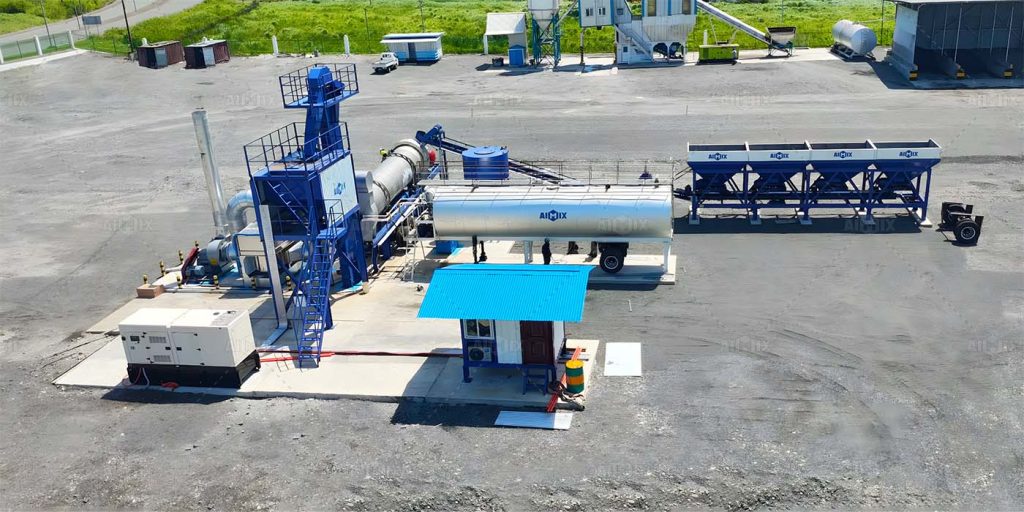
Real-World Insight: What Contractors Actually Experience
In many developing regions, contractors initially rely on outsourcing. It seems easier and less risky. However, after several projects, they often face recurring issues:
– Unstable supply during peak construction season
– High transport costs in remote areas
– Limited control over mix design
As a result, many contractors shift to mini asphalt plants. They start with mini asphalt plants because they are affordable and easy to operate.
Over time, they report:
– 20%–30% cost savings per project
– Faster project completion
– Better profit margins
This trend clearly shows the practical value of owning your own plant.
Final Decision: Which Option Is Better For You?
Now we return to the original question: Is buying a 40 TPH mini asphalt plant cheaper than outsourcing for 6 months?
The answer is yes—in most medium-scale, 6-month projects, buying is significantly cheaper.
However, the best choice depends on your specific situation. You should consider:
– Total asphalt demand
– Project duration
– Distance to suppliers
– Future project pipeline
When these factors align, investing in your own plant becomes a strategic move rather than just a cost decision.
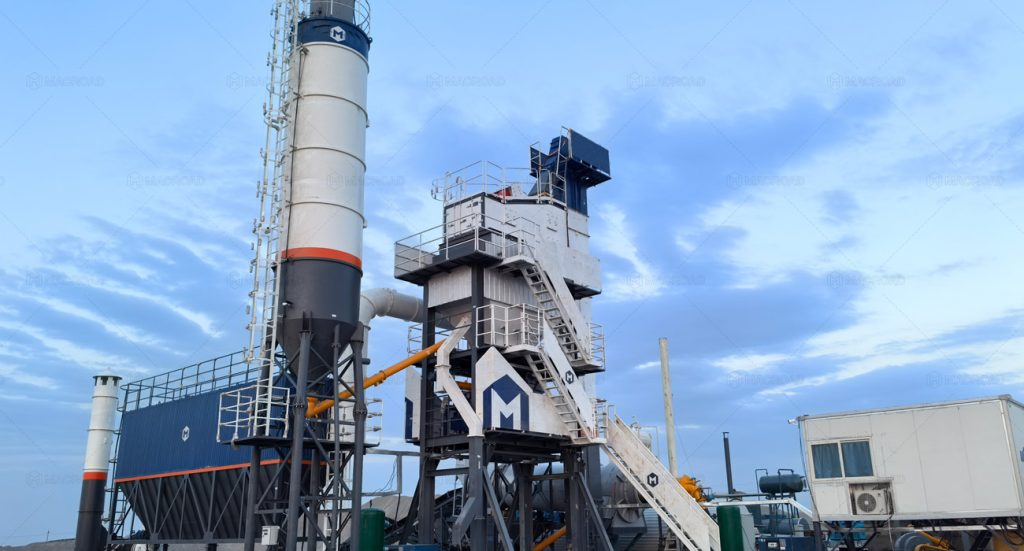
Take Action: Turn Cost Pressure Into Competitive Advantage
In today’s competitive construction market, controlling cost is not enough. You also need speed, flexibility, and reliability. A 40 TPH mini asphalt plant offers all three.
If you are planning a 6-month road project or handling multiple contracts, now is the time to rethink your asphalt supply strategy. Instead of paying high outsourcing costs, you can take control of your production and improve your profit margins.
Contact a trusted supplier today to evaluate your project needs. Get a customized solution based on your production volume, site conditions, and budget. With the right setup, your next project can be faster, smoother, and more profitable. Check out asphalt plant for more information.
Boost Concrete Construction Efficiency: A Guide for CIS Small and Medium Projects
Are you managing mid-sized building projects in the CIS region? If so, you know the daily struggles of meeting tight deadlines. The short warm season in countries like Kazakhstan and Russia demands rapid progress. Long transport distances often delay material deliveries to your job sites. Therefore, small contractors must optimize every single phase of work. Improving concrete construction efficiency is the key to higher profitability.
In this guide, we explore smart strategies for small and medium-sized builders. You will learn how to save money and reduce costs. By adopting modern methods, you can secure more contracts and grow your business.
Understanding the CIS Small-Scale Landscape
Construction in Kazakhstan, Uzbekistan, and Belarus has unique demands. For instance, small project sites often lack reliable ready-mix suppliers. Relying on distant commercial batching plants brings high financial risks. The concrete may begin to set during long transport times. Consequently, you face wasted materials and structural defects. To solve this, modern small builders invest in a local mini concrete plant (мини бетонные заводы).
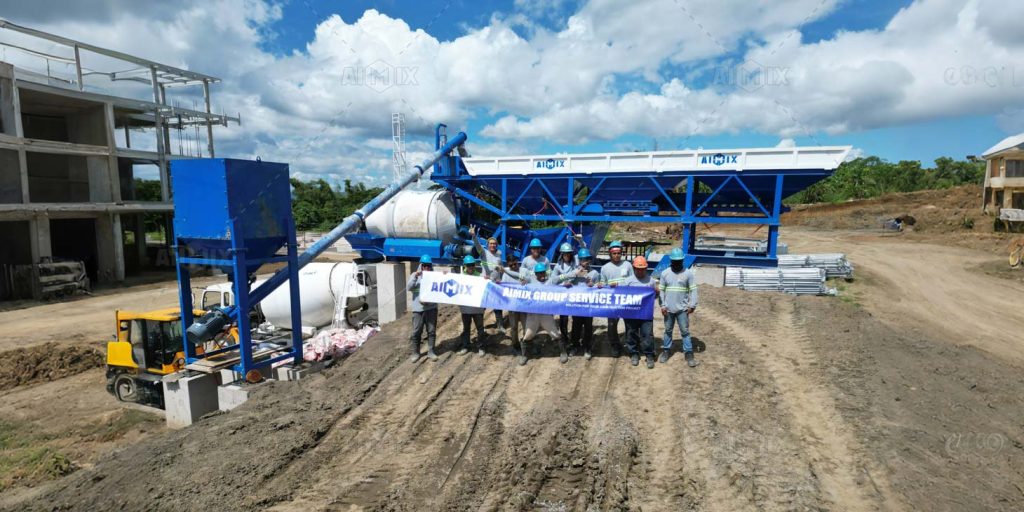
These compact units require very minimal space for setup. They deliver high-quality mix exactly when you need it. Thus, you eliminate waiting times for delivery trucks. You also gain full control over your mix design. This control ensures consistent quality across your build. Furthermore, local weather conditions change rapidly. Winters in Siberia or Northern Kazakhstan are extremely harsh. As a result, your active construction window might last only five months. Every day of delay hurts your bottom line. Therefore, high speed is vital for small projects.
Overcoming Logistics Obstacles Across CIS Distances
Many small contractors manage multiple minor sites simultaneously. Moving heavy equipment between these small locations is often costly and slow. How can you solve this logistics puzzle? Investing in a mobile concrete plant changes the entire game. You can easily tow these units from one site to another. They set up quickly without deep concrete foundations.
As a result, you save precious days during mobilization. You can start pouring concrete almost immediately upon arrival. This speed keeps your local clients happy. It also allows you to take on more contracts per season. Furthermore, mobile units reduce your transportation expenses. You mix concrete directly where you build. Additionally, this equipment is simple to maintain. It features modular components for easy parts replacement. This design is a major advantage for remote CIS regions. You do not need specialized service technicians for basic repairs.
Solving Labor Shortages on a Small Budget
Sometimes, small builders must work in very remote areas. In these zones, electricity and water access might be limited. Furthermore, finding skilled labor can be extremely difficult. A self loading concrete mixer (бетоносмеситель с самозагрузкой) provides the ultimate freedom here. This single machine loads, mixes, transports, and discharges concrete. Only one operator can manage the entire process. Consequently, you significantly reduce labor costs. You also minimize raw material waste on the ground. It is a highly efficient workshop on wheels.
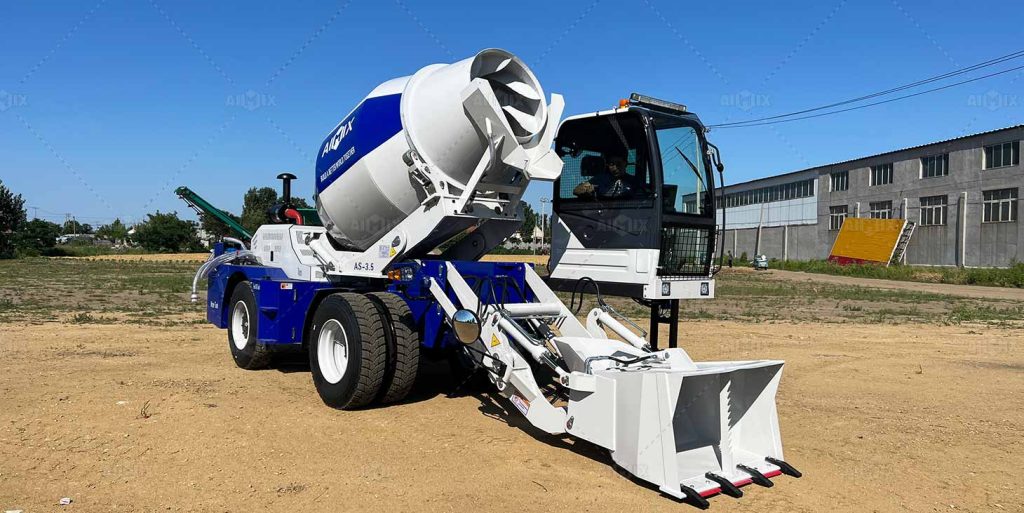
Additionally, its robust 4×4 drive system is perfect for rough CIS terrains. You can reach difficult spots with ease. You navigate tough, unpaved terrain without getting stuck. Thus, you avoid costly delays caused by bad weather. Having your own mixing equipment ensures you work whenever you want. You no longer depend on external logistics schedules. This independence keeps your small projects on schedule. Additionally, it protects your tight profit margins.
Streamlining the Pouring Process for Low-Rise Projects
Producing concrete is only half the battle for small contractors. You must also place it quickly and precisely. Manual transport with wheelbarrows is slow and exhausting. It delays your overall project timeline. Therefore, smart builders use mechanized placing systems. For small-scale residential or commercial projects, a concrete mixing pump (бетономешалка с насосом) is an invaluable asset.
This specialized equipment is designed specifically for low-to-mid rise structures. It is highly efficient for buildings up to 8 stories. It is perfect for small foundations, floor slabs, and low-rise walls. First, it mixes the raw aggregates thoroughly. Then, it pumps the fresh mix directly to the pouring site. This process saves immense physical labor for your small crew. Furthermore, it keeps your workspace clean and safe. Your workers will experience less physical fatigue. A safer and happier crew works much more productively.
Practical Strategies for Maximum Efficiency
Upgrading your machinery is a great first step. However, technology works best with smart management. Here are four actionable tips for your daily operations.
1. Plan Your Material Logistics Early
Ensure a steady supply of cement, sand, and gravel. Shortages can halt your machinery instantly. Establish strong relationships with local suppliers in the CIS. Store materials properly to protect them from rain and moisture. Wet sand can alter your mix ratios. Therefore, keep your storage dry.
2. Focus on Preventive Maintenance
Equipment breakdowns stall your entire job site. Create a strict daily inspection checklist. Clean your mixers and pumps after every shift. This habit prevents concrete buildup inside the drums and pipes. Proper maintenance extends the lifespan of your assets. Consequently, you avoid costly emergency repairs.
3. Train Your Operators Properly
Modern machines are user-friendly but require skill. Invest in proper training for your team. Skilled operators work faster and safer. They also spot mechanical issues before they cause failures. Your investment in training pays off rapidly through less downtime.
4. Optimize Your Pouring Schedule
Analyze the local weather forecast daily. Plan large pours during dry, warm hours. Prepare your forms and reinforcement steel in advance. This preparation ensures immediate pouring once the concrete is ready. Avoid letting mixed concrete sit unused.
Build Trust and Grow Your Business
In the CIS market, reputation is everything. Delivering small projects on time builds strong trust with developers. Clients will recommend your services to others. By using efficient methods, you lower your operational costs. This advantage allows you to offer highly competitive pricing. Consequently, your business will grow steadily year after year. Choose reliable machinery that matches your project scale. Embrace innovation to stay ahead of your competitors. High efficiency translates directly into higher profits.
Conclusion
Maximizing concrete construction (бетонное строительство) efficiency is highly achievable. You need the right tools and smart workflows. Investing in specialized equipment saves time and labor. Are you ready to upgrade your construction methods? Contact our team of experts today. We will help you select the perfect equipment for your needs. Let us build a more profitable future together.
Electric vs. Diesel-Generator Powered: Energy Choices for Rubber Tyred Gantry Cranes in Remote Road Construction
As global infrastructure construction extends further into remote areas with challenging terrain, precast concrete yards play an increasingly central role in highway and railway bridge construction. As the core equipment for hoisting heavy concrete components (such as box girders and T-girders) in precast yards, the energy choice for Rubber Tyred Gantry (RTG) cranes directly impacts not only project schedules but also construction costs, environmental compliance, and supply chain security. This paper systematically compares traditional diesel-generator set powered RTG cranes with electric-powered (including cable reel and hybrid) RTG cranes in terms of technical feasibility, economics, logistics, and environmental benefits under remote road construction scenarios, providing project decision-makers with a scientific energy selection framework.
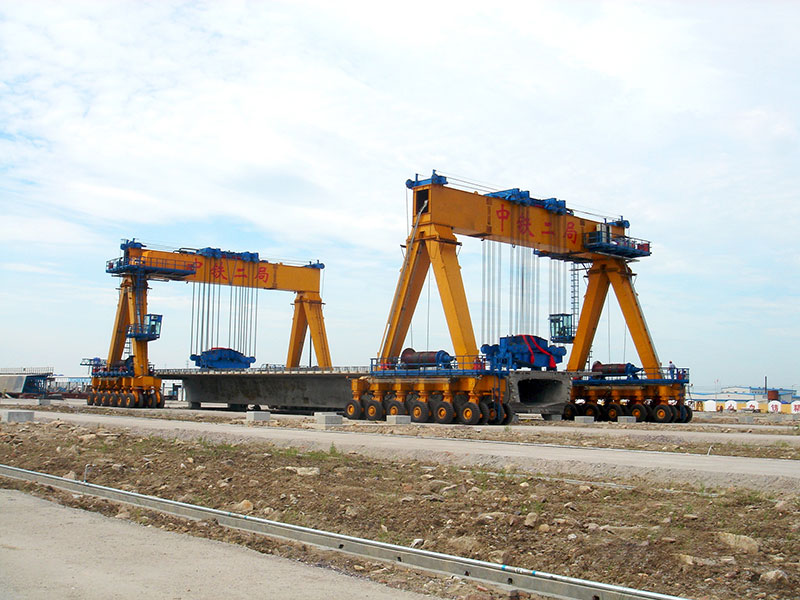
Special Operating Conditions of Precast Yards in Remote Areas
Precast concrete yards in remote road construction projects exhibit several distinct characteristics:
- Lack of Grid Infrastructure and Power Instability: Projects are usually located far from the main power grid. Constructing high-voltage substations and utility lines is costly and has long lead times.
- Temporary and Project-Phased Nature: These yards function as temporary facilities, operating for 1 to 3 years before being dismantled or relocated upon project completion.
- Harsh Environmental Conditions: They are frequently subjected to extreme weather such as high altitudes, freezing temperatures, arid deserts, strong winds, or high heat and humidity, which demand ultimate reliability from power systems.
- High Logistics and Supply Chain Costs: Fuel and spare parts must be transported over long distances, exposing the project to high supply chain interruption risks.
Under these multiple constraints, RTG rubber tyred gantry cranes – heavy-duty material handling machinery characterized by frequent start-stop operations and high transient power peaks (typically 150 kW to 400 kW) – require a carefully evaluated power source.
Diesel-Generator Powered RTG: The Traditional Workhorse
Traditionally, RTG cranes have relied on an onboard Diesel Generator Set (Gen-Set) as their primary power source.
Advantages
- Absolute Mobility and Autonomy: Completely untethered by physical lines or rails, diesel RTG cranes can steer and travel freely across the entire precast yard, storage areas, and adjacent zones.
- Plug-and-Play Deployability: There is no need to wait for local grid approval, high-voltage substations, or distribution lines. The machine is ready for work as soon as it arrives and is fueled, which drastically reduces initial mobilization times.
- High Robustness: Industrial diesel engines are highly mature and deeply trusted in harsh, remote environments. Skilled mechanics are widely available, and these engines maintain high performance in freezing winters and blistering desert heat.
Disadvantages and Technical Pain Points
- Low Energy Efficiency: The duty cycle of an RTG mobile gantry crane is highly cyclical and volatile. During spreader idling or standby waiting periods, the diesel engine continuously runs in a low-efficiency idle state (“oversized engine for undersized load”), resulting in poor fuel economy.
- Exorbitant Operational Expenditures (OPEX): In remote regions, diesel prices are inflated by secondary transportation costs. Frequent refueling, oil changes (typically every 250 running hours), filter replacements, and engine overhauls lead to heavy maintenance and labor costs.
- Carbon Emissions and Noise Pollution: Lacking advanced exhaust-treatment systems, diesel engines emit substantial greenhouse gases (GHGs) and particulates. High-decibel engine noise also poses health risks to workers and creates compliance hurdles in environmentally sensitive areas.
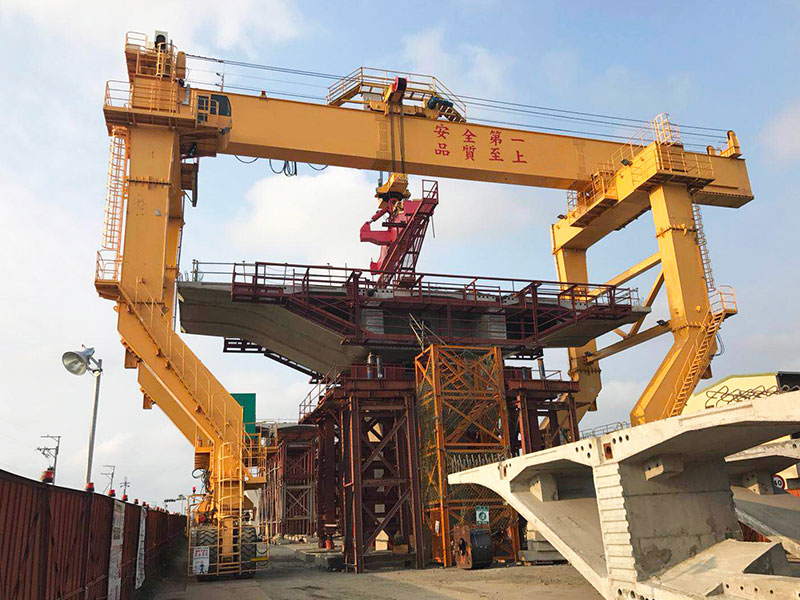
Electric-Powered RTG (E-RTG): The Green Frontier
With the global push toward carbon neutrality and “green construction” standards, Electric RTG (E-RTG) technologies have migrated from busy container terminals to civil infrastructure precast yards. Key technical configurations include Cable Reel systems and modern Diesel-Electric/Battery hybrid systems.
Advantages
- Significantly Lower Operational Costs: Electricity is overwhelmingly superior to diesel fuel in terms of consumption costs. This economic gap can be calculated using the following basic plain-text energy equations:
Diesel Cost = Average Power * Time * Specific Fuel Consumption * Fuel Price
Electric Cost = Average Power * Time * (1 / Motor Efficiency) * Electricity Price
(where Specific Fuel Consumption refers to fuel used per unit of energy generated, and Motor Efficiency represents the electric drive system’s conversion efficiency)
In practice, transitioning to electric drives results in a 60% to 75% reduction in direct energy expenses.
- Minimal Maintenance Overheads: Electric motors are mechanically simpler than internal combustion engines, lacking pistons, complex lubrication systems, and high-temperature combustion chambers. Eliminating oil filter changes, engine coolant maintenance, and mechanical wear reduces maintenance costs by roughly 70%.
- Zero Local Emissions and Reduced Noise: Electric rubber wheeled gantry cranes do not produce exhaust emissions during operation, and their low-noise profile drastically improves the work environment for ground crew.
- Regenerative Energy Recovery: During heavy load lowering, the electric drive motors function as generators. E-RTGs can capture this gravitational potential energy and feed it back into the local power grid or battery pack, further lowering net energy usage.
Disadvantages and Infrastructure Obstacles
- Substantial Initial Capital Expenditure (CAPEX): Wired electric RTG options require installing cable trenches and cable reels. The civil works and materials required for large precast yards can run up a significant bill.
- Reduced Operational Flexibility: A wired E-RTG is restricted by the length of its cable system. Repositioning the crane to a different bay or another part of the yard requires complex procedures.
- Grid Expansion Bottlenecks in Remote Areas: Rural electrical infrastructure in remote regions is often designed for low-power residential or agricultural usage. Connecting the high-capacity, three-phase power supply required by cranes (typically demanding over 400 kVA) requires specialized utility lines and heavy-duty transformers. The administrative approval, grid connection fees, and installation can take up to six months or more.
Comprehensive Comparison Matrix in Remote Environments
| Comparison Dimension | Diesel-Generator RTG | Electric-Powered RTG (E-RTG) | Hybrid RTG (Battery-Engine System) |
|---|---|---|---|
| Initial Capital Expenditure (CAPEX) | Low (Direct deployment upon procurement) | Extremely High (Requires substation expansion, cable trenches, or reels) | Medium to High (High machine cost, but no extensive grid buildout required) |
| Operational & Maintenance Cost (OPEX) | Extremely High (High fuel consumption, frequent engine maintenance) | Extremely Low (Cheap electricity, virtually maintenance-free motors) | Medium (Balances low fuel consumption with reduced engine wear) |
| Mobility & Flexibility | Excellent (Unrestricted movement and 360-degree turning) | Limited (Restricted to cable pathways) | Good (Battery or auxiliary engine mode allows cross-bay movement) |
| Logistics Dependency | High (Heavily dependent on routine diesel tanker deliveries) | None (Dependent only on local power grid stability) | Low (Fuel consumption is cut by 60% to 70%) |
| Climate Adaptability & Reliability | High (Immune to grid fluctuations; cold starts can be tough) | Medium (Vulnerable to grid instability, lightning strikes, or cable freezing) | High (Redundant power sources provide a fail-safe fallback) |
| Decarbonization Performance (ESG) | Poor (Significant GHG and particulate emissions) | Excellent (Can achieve 100% net-zero emissions if green energy is used) | Good (Achieves 50% to 60% emission reductions) |
Decision Framework: Choosing the Optimal Energy System
When planning remote road construction operations, engineering teams should follow a structured step-by-step process to determine the best RTG power configuration:
- Evaluate Project Lifecycle and Yard Operating Life:
- Short-term Projects (1.5 years or less): Prioritize mobility and low upfront costs.
- If reliable grid power is readily accessible onsite, choose a dual-power RTG or a cable-reel E-RTG.
- If there is no grid power available, deploy traditional diesel-generator powered RTGs directly.
- Long-term Projects (More than 1.5 years): Focus heavily on optimizing long-term operational expenditures (OPEX).
- If grid power is available or grid expansion is feasible, select pure electric E-RTGs (cable reel system).
- If grid power is unavailable and expansion is extremely difficult, utilize Hybrid RTGs (engine plus battery storage) or build a localized microgrid.
- Short-term Projects (1.5 years or less): Prioritize mobility and low upfront costs.
- Project Lifecycle Returns (LCOE Methodology): If the precast yard will operate for an extended duration (e.g., more than 24 months), the massive OPEX savings delivered by an electric drive system will easily offset the upfront costs of transformers and cable systems. For short-term yards that undergo frequent relocations, traditional diesel RTGs or self-contained hybrid systems are the most financially sensible options.
- Microgrid Feasibility: For extremely remote, long-term yards, a decentralized hybrid microgrid (such as solar PV plus battery storage plus diesel generator backup) presents an innovative solution. Harnessing solar energy via desert or wasteland PV panels and storing it in containerized lithium battery units allows RTG cranes to operate electrically at ultra-low costs while sidestepping the lack of municipal grid access.
Conclusion and Future Industry Outlook
In the context of remote road construction, the choice between “diesel-powered” and “electric-powered” is rarely a simple black-and-white decision.
For short-duration, geographically challenging, and grid-isolated early-stage projects, the diesel-generator powered RTG remains the irreplaceable, rugged workhorse due to its unparalleled tactical flexibility and low entry barrier. However, steps must be taken to minimize fuel waste, such as utilizing variable-frequency speed controls that slow down the engine generator during low-load or idle states.
On the other hand, in an era where green and sustainable infrastructure regulations are increasingly mandatory, and for large-scale precast yards operating for over two years, the transition to Electric Drive (E-RTG) or Diesel-Electric Hybrids is fast becoming the industry standard. This shift represents not only a highly rational financial choice to protect margins but also a critical environmental commitment (ESG) in fragile and remote ecological landscapes.
The Growing Role of Compact Instant Concrete Plants in Decentralized Construction
Construction is undergoing a structural realignment. The centralised model — where concrete is batched at a stationary concrete plant, loaded into transit mixers, and dispatched across long haul routes to waiting sites — served the industry adequately when projects were concentrated in urban cores with reliable road access and predictable logistics. That model is now being stress-tested by a new generation of construction programmes that are geographically dispersed, logistically complex, and operationally time-sensitive in ways that centralised supply chains simply cannot accommodate with consistency.
Decentralised construction is not a niche phenomenon. It encompasses rural infrastructure rollouts, remote energy projects, disaster reconstruction programmes, military and humanitarian facility builds, and the expanding wave of small-to-medium developments pushing into peri-urban and regional territories worldwide. Each of these contexts shares a common challenge: the need for reliable, quality-controlled concrete production at or near the point of use, without the luxury of proximity to established batching infrastructure. Compact instant concrete plants are emerging as the decisive technological response to this challenge — and their adoption trajectory is accelerating sharply.
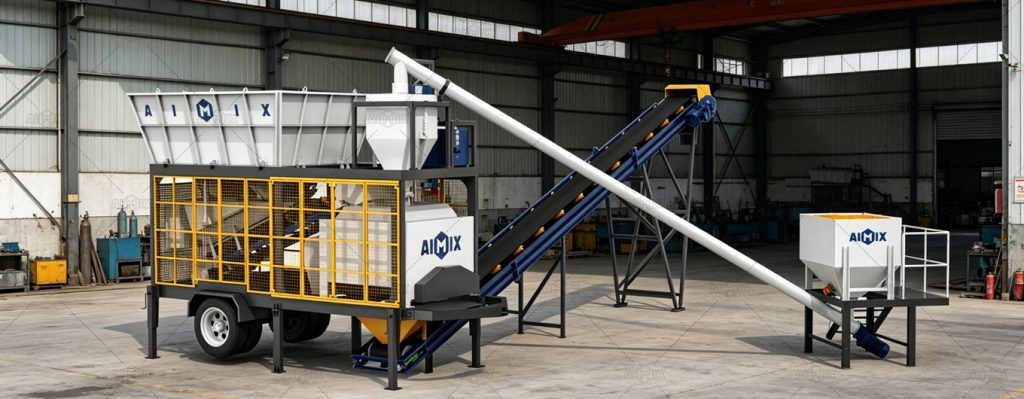
Understanding the Decentralised Construction Imperative
The Limitations of Centralised Concrete Supply in Dispersed Project Environments
Centralised batching plants for sale are optimised for volume and proximity. They perform exceptionally when multiple high-demand projects cluster within a serviceable radius, allowing efficient route scheduling and consistent truck utilisation. Remove that clustering — spread projects across wide geographic areas, introduce difficult terrain, or eliminate reliable road access — and the centralised model deteriorates rapidly into an expensive, unreliable, and quality-compromised supply chain.
Transit time is the first casualty. Concrete is a time-sensitive material whose workability and strength development characteristics begin degrading from the moment batching is complete. Every additional kilometre of haul distance compounds the risk of slump loss, premature stiffening, and mix segregation. In remote or semi-accessible locations where haul distances routinely exceed the workability window, the concrete arriving on site may be technically non-compliant before a single cubic metre is placed.
Cost escalation follows closely. Extended haulage distances inflate per-cubic-metre delivery costs, while the unpredictability of remote road conditions introduces schedule volatility that cascades through pour planning, formwork sequencing, and labour deployment. For projects operating under tight budget envelopes — as most infrastructure programmes in developing regions do — this cost and schedule instability is operationally destabilising.
Compact instant concrete plants dissolve these dependencies by relocating the production function to the project site itself. Concrete is batched on demand, at the point of use, with mix parameters adjusted in real time to match placement requirements. The supply chain compression this enables is not incremental — it is transformative.
The Profile of Projects Driving Compact Plant Adoption
Several distinct project categories are driving the accelerating adoption of compact instant concrete plants in decentralised construction environments. Rural road and bridge programmes — particularly in South and Southeast Asia, Sub-Saharan Africa, and Latin America — represent perhaps the largest single demand category. These programmes typically involve multiple simultaneous worksites spread across hundreds of kilometres of corridor, where establishing a conventional batching plant for each site is economically prohibitive and logistically impractical.
Renewable energy infrastructure is another significant driver. Wind farm foundations, hydroelectric civil works, and solar installation ground-mounting structures all require substantial concrete volumes in locations selected for resource availability rather than construction logistics convenience. Remote mining operations, telecommunications tower foundations, agricultural irrigation infrastructure, and border security construction programmes share the same fundamental characteristic: high concrete demand in locations where centralised supply is absent or unreliable.
Humanitarian and post-disaster reconstruction contexts add urgency to the equation. Speed of deployment, simplicity of operation, and independence from damaged or non-existent infrastructure make compact instant plants uniquely suited to emergency construction scenarios where conventional supply chains have been disrupted or were never established.
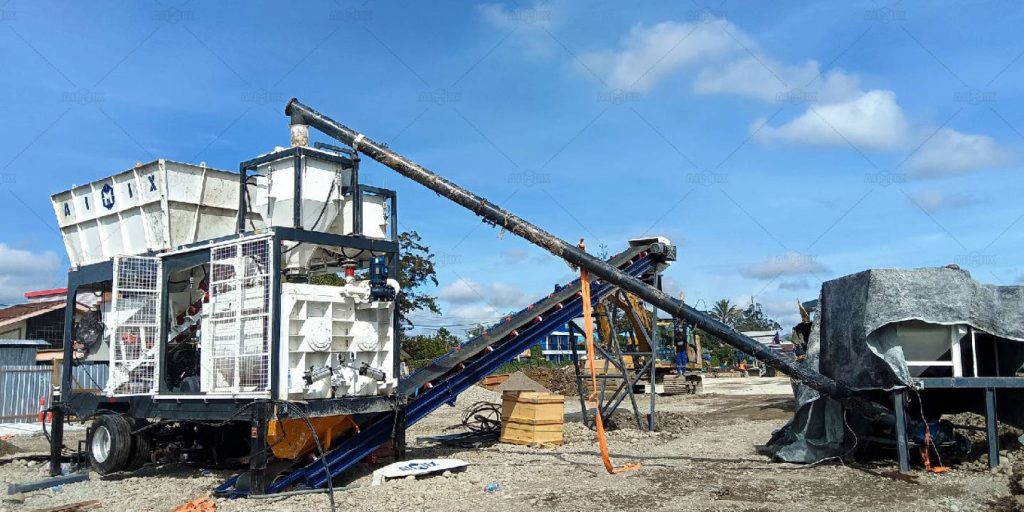
Technical Attributes That Make Compact Instant Plants Fit for Purpose
Rapid Deployment and Minimal Civil Preparation Requirements
The defining operational characteristic of compact instant concrete plants is their capacity for rapid, low-infrastructure deployment. Unlike conventional batching plants — which require substantial civil foundations, extensive electrical infrastructure, and multi-day erection sequences — compact instant mobile concrete plants for sale are engineered for expeditionary commissioning. Many configurations are containerised or skid-mounted, arriving on site as integrated units that require minimal assembly and can achieve operational readiness within hours rather than days.
This deployment agility directly addresses one of the most significant hidden costs in remote project logistics: the lead time between site mobilisation and productive concrete output. Every day spent establishing supply infrastructure before construction can commence is a day of fixed overhead expenditure without productive return. Compact plants compress this non-productive commissioning period dramatically, enabling projects to achieve concrete production capability almost immediately upon site establishment.
Ground preparation requirements are similarly modest. A level, compacted surface of adequate bearing capacity is typically sufficient. No permanent concrete base, no specialist civil contractor, no extended ground works programme. For projects in remote locations where civil preparation resources are themselves scarce, this low-infrastructure deployment profile is a critical enabler.
Mix Flexibility and Quality Control at the Point of Production
Compact instant concrete plants deliver a quality control capability that centralised supply chains structurally cannot match for dispersed project environments. Because batching occurs at the point of use, mix design parameters can be adjusted in direct response to current site conditions — ambient temperature, aggregate moisture content, placement method, and structural specification — without the communication lag and logistical complexity that remote supply coordination involves.
Modern compact plant configurations incorporate gravimetric batching systems that deliver aggregate, cementitious material, water, and admixture proportions with precision comparable to large centralised plants. Electronic control systems record batch data for quality assurance documentation, supporting compliance with structural concrete specifications even in remote operational contexts where external oversight is limited.
Mix flexibility is equally significant. A single compact plant can produce a range of concrete grades and mix designs within the same operational session, accommodating the varied specification requirements of different structural elements on a multi-component project. This versatility eliminates the inflexibility of centralised supply, where mix change requests require advance notification, minimum order quantities, and schedule coordination that remote project logistics rarely permit.
Strategic and Economic Implications for the Construction Industry
Redefining Project Feasibility in Underserved Regions
Perhaps the most consequential dimension of compact instant concrete plant proliferation is its capacity to redefine project feasibility in regions previously considered logistically inaccessible to quality construction. Infrastructure deficits in remote and peri-urban areas are not primarily caused by absence of demand or funding — they are frequently caused by the absence of reliable construction material supply chains. Compact instant plants remove this supply chain barrier, enabling projects to proceed in locations where centralised concrete delivery was the decisive constraint on development.
This feasibility expansion has direct development implications. Rural road networks that reduce agricultural market access costs. Health facilities that serve communities beyond the reach of urban supply infrastructure. Educational buildings constructed in remote settlements where no batching plant exists within viable haul distance. Each of these outcomes is enabled, in practical terms, by the ability to produce quality concrete on site with compact, deployable equipment. The development multiplier of this capability is substantial and largely underappreciated in conventional infrastructure investment analysis.
Cost Economics and Return on Investment for Compact Plant Operators
The financial case for compact instant concrete plant investment is compelling when evaluated against the true total cost of centralised supply alternatives in decentralised project contexts. Procurement cost of concrete batching plant have declined significantly as manufacturing scale has increased and competition among suppliers has intensified. Operating costs — fuel, maintenance, aggregate, and cementitious material procurement — are highly predictable and directly controllable by the site team, eliminating the cost volatility associated with external supply chain dependencies.
Utilisation economics favour compact plants on projects of meaningful duration. A plant deployed across a twelve-month infrastructure programme will typically achieve full capital cost recovery well within the project lifecycle, with the balance of operational savings flowing directly to project margin. For contractors operating across multiple concurrent decentralised projects, a fleet of compact instant plants managed as a shared operational resource delivers asset utilisation rates and return on investment metrics that strengthen balance sheet performance materially.
The strategic positioning advantage is equally significant. Contractors equipped with self-sufficient concrete production capability can credibly bid on project categories and geographic territories that competitors dependent on centralised supply cannot access. In markets where infrastructure investment is growing rapidly and supply chain infrastructure remains underdeveloped, this competitive differentiation is not marginal — it is a defining capability that determines which contractors capture the most valuable project opportunities in the decade ahead.
Supporting Peru’s Highways: Crushing Plants in Manufactured Sand Production
Peru is undergoing a massive transformation in its transport infrastructure, driven by ambitious national initiatives to connect remote Andean regions with bustling coastal economic hubs. Building durable, high-load highways across Peru’s challenging geography demands an unprecedented volume of premium construction materials. Among these, high-quality concrete and asphalt aggregates are paramount. Historically, infrastructure projects relied heavily on natural river sand; however, environmental restrictions and dwindling natural reserves have shifted the industry’s focus toward manufactured sand (M-sand).
The transition to manufactured sand requires advanced technological intervention to ensure the final product meets strict engineering specifications. Central to this supply chain is the modern stone crusher plant Peru(plantas chancadoras de piedra Perú) utilizes to process raw geological formations into precisely graded, cubical sand particles. By deploying high-efficiency crushing equipment, infrastructure developers can guarantee a steady, localized supply of aggregate material, drastically reducing logistical costs and minimizing the environmental impact associated with traditional riverbed mining.
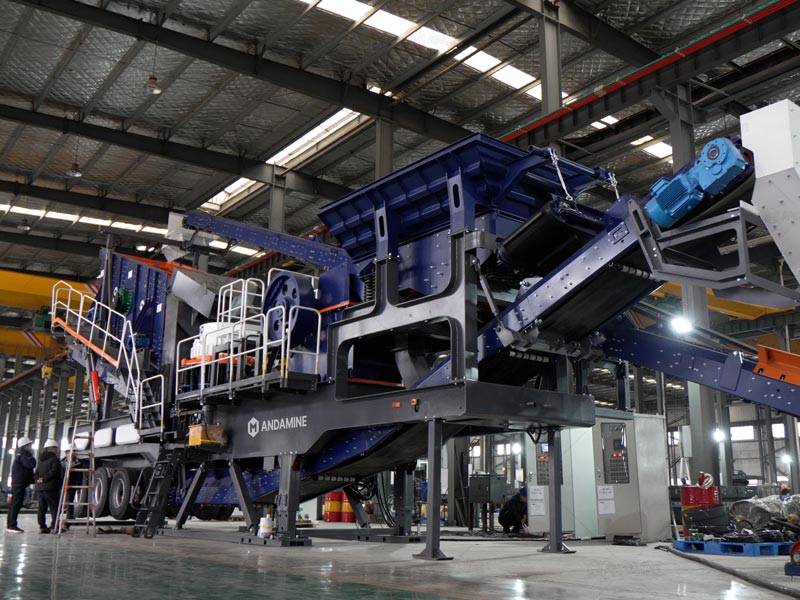
The Growing Demand for Manufactured Sand in Peruvian Infrastructure
As major corridors like the Longitudinal de la Sierra and coastal highway expansions progress, the demand for high-strength concrete has surged. Natural sand often contains organic impurities, mica, and clay silt, which can compromise the structural integrity of highway bridges, tunnels, and pavements. Manufactured sand, when produced correctly by a specialized stone crusher plant Peru contractors trust, offers a superior alternative with uniform physical properties and controllable grading curves.
Furthermore, relying on a localized rock crusher(trituradora de rocas localizada) reduces dependence on long-distance material transport, which is highly vulnerable to seasonal weather disruptions in the Andes. By setting up processing facilities near highway construction sites, engineering firms can maintain tight project timelines while ensuring that every batch of concrete poured complies with international durability standards.
Key Equipment Driving High-Efficiency Aggregate Production
Transforming massive river boulders or quarried granite into fine, high-quality manufactured sand requires a multi-stage reduction process. Each stage utilizes specific machinery designed to handle distinct material hardness levels and reduction ratios.
Primary and Secondary Crushing Stages
The initial reduction stage begins with a heavy-duty rock crusher, typically a jaw crusher, capable of accepting large feed sizes. This machine breaks down the run-of-mine material into manageable sizes for secondary processing. Depending on the abrasiveness of the rock, a cone crusher or an impact crusher is then deployed as a secondary rock crusher to further refine the aggregate dimension before it reaches the final shaping stage.
Tertiary Crushing and Vertical Shaft Impactors (VSI)
The true magic of manufactured sand production happens in the tertiary stage. Standard compression crushing can leave aggregates with elongated or flaky shapes, which are detrimental to concrete strength. To overcome this, operators implement a specialized ore crusher configuration known as a Vertical Shaft Impactor (VSI). The VSI utilizes a rock-on-rock crushing principle, accelerating particles at high velocities to break them along natural cleavage planes, resulting in perfectly cubical sand grains.
To better understand how these mechanical components collaborate within a high-capacity aggregate setup, the following table outlines the typical staging workflow:
| Production Stage | Primary Equipment Used | Input Material Size | Primary Function in Sand Production |
|---|---|---|---|
| Primary Reduction | Heavy-duty rock crusher (Jaw) | Up to 1000 mm | Initial coarse breaking of quarried rock or river boulders |
| Secondary Sizing | Cone or Impact rock crusher | Up to 250 mm | Intermediary reduction to prepare feed for the shaping phase |
| Tertiary Sand Making | VSI ore crusher / Sand maker | Under 50 mm | Shaping, cubical optimization, and fine sand generation |
| Fines Classification | Air classifiers / Sand washers | Under 5 mm | Removal of excess ultra-fine silt and clay particles |
Overcoming Geological and Regional Challenges
Operating a stone crusher plant Peru infrastructure relies upon requires equipment that can withstand highly variable and abrasive geological conditions. The Andean region features dense deposits of silica-rich granite, basalt, and quartzite. Processing these materials accelerates mechanical wear and tear, necessitating heavy-duty components and advanced metallurgy.
Combating Abrasiveness with Advanced Ore Crushers
When dealing with high-silica rock, traditional impact crushers suffer from rapid blowbar wear. Therefore, high-efficiency plants often opt for a specialized cone or specialized hydraulic ore crusher(chancadora minería hidráulica especializada) engineered with high-manganese liners. These components extend the service life of the machinery, reducing maintenance downtime and keeping highway project timelines on track. This focus on heavy-duty durability is a shared priority across the border, matching the operational demands placed on a heavy-duty stone crusher in Chile, where copper mining and rugged terrain require similarly resilient infrastructure.
Water Management and Environmental Sustainability
In many parts of Peru, particularly the arid coastal regions, water scarcity is a critical operational constraint. Traditional wet sand washing systems consume massive quantities of water and generate large settling ponds. Modern high-efficiency plants are shifting toward dry sand production methods. By utilizing advanced air classifiers integrated within the ore crusher circuit, operators can separate excess fines and dust from the manufactured sand using controlled air currents, eliminating water consumption entirely and ensuring strict compliance with local environmental regulations.
Cross-Border Technology Standards in the Andean Region
The technology driving Peru’s infrastructure boom is closely aligned with broader regional trends. As construction standards tighten across South America, the exchange of technical expertise between neighboring countries has accelerated. The strict environmental and particle-shape benchmarks established for a stone crusher in Chile(establecida para una chancadora de piedra en Chile) are increasingly being integrated into Peruvian operations. Equipment manufacturers now design highly modular, containerized crushing systems that can easily be transported across national borders to service diverse highway projects.
Whether processing hard river gravel in southern Peru or tackling volcanic rock near the Chilean border, utilizing a synchronized rock crusher and screening matrix allows producers to maintain a uniform modulus of fineness. This consistency is vital for high-speed highway pavements, where even minor variations in sand quality can lead to premature cracking, potholes, or structural asphalt failure under heavy commercial traffic.
Driving the Future of Peruvian Infrastructure
The integration of high-efficiency manufactured sand production lines has fundamentally changed how Peru approaches highway engineering. By transforming raw local geological resources into high-grade aggregate materials, project developers have unlocked a reliable, cost-effective, and ecologically responsible alternative to natural river sand. The strategic combination of primary jaw reduction, precise secondary cone shaping, and tertiary VSI refinement ensures that every kilometer of new highway is built on a foundation of uncompromised structural integrity.
As Peru continues to expand its national transit networks, the reliance on advanced stone crusher plant Peru technologies will only deepen. Companies that invest in robust rock crusher systems, water-free air classification, and highly durable ore crusher machinery are successfully driving down operational costs while uplifting regional infrastructure standards. This technological evolution not only secures the success of Peru’s current mega-projects but also establishes a sustainable blueprint for highway construction that will benefit the entire Andean economic corridor for decades to come.
Top 5 Features to Look for When Sourcing RTG Crane Manufacturers
In the modern container terminal, the Rubber Tyred Gantry (RTG) crane is the engine of the yard. It is the single most significant asset in terms of handling capacity, operational tempo, and long-term maintenance expenditure. When sourcing a manufacturer for these machines, the decision-making process is often clouded by initial acquisition costs. However, experienced terminal operators know that a crane is a twenty-year investment. The purchase price is merely the entry fee; the real financial outcome is determined by the machine’s uptime, maintenance requirements, and energy efficiency over its lifespan.
If you are currently evaluating suppliers for your next fleet expansion or replacement project, do not simply compare quotes. Evaluate the rubber tyred gantry crane manufacturers based on these five mission-critical features.
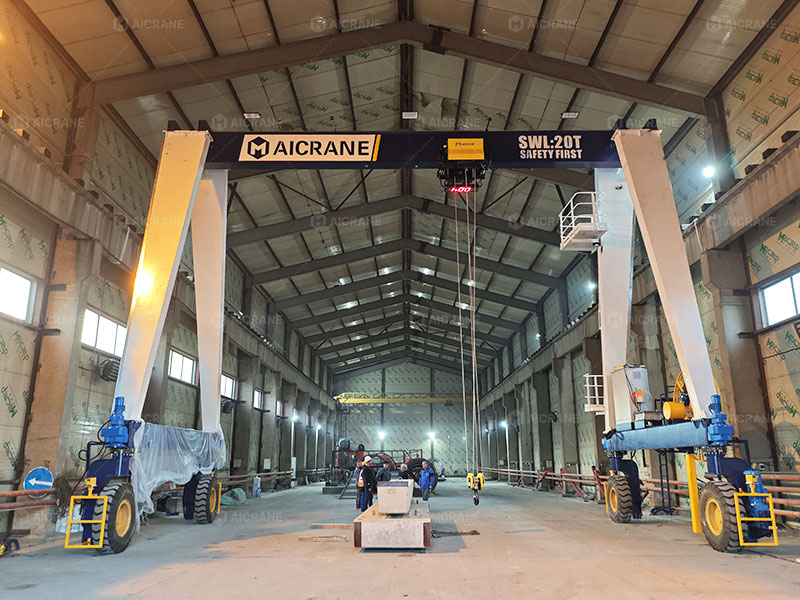
1. Proven Engineering Flexibility and Site Customization
Many manufacturers offer a “standard” RTG crane catalog. While standardized designs are cheaper, they rarely offer the optimal performance for unique terminal topographies. A high-quality manufacturer does not force your yard to adapt to the crane; they adapt the crane to your yard.
When vetting a manufacturer, look for their track record in engineering customization. A robust manufacturer will conduct a thorough site survey before finalizing a design. They should be able to adjust wheel base dimensions, stacking heights (e.g., 1-over-5 vs. 1-over-6), and trolley travel speeds based on your specific traffic flows.
Furthermore, ask about their approach to structural engineering. Are they using FEM (Finite Element Method) analysis to optimize the steel structure for your specific wind loads and seismic requirements? A manufacturer that can demonstrate deep engineering expertise can help you shave thousands of pounds of dead weight off the gantry crane without compromising structural integrity. This reduces tire wear, decreases energy consumption, and extends the life of the gantry motors.
2. Open Architecture and Component Sourcing
One of the most common “red flags” in heavy equipment procurement is the “closed” system. Some manufacturers utilize proprietary PLCs (Programmable Logic Controllers), drives, and motor systems. This locks you into their supply chain for spare parts and specialized service technicians for the next two decades.
Prioritize manufacturers that utilize “open architecture” or Tier-1 standard components—such as Siemens, ABB, or Schneider Electric systems—that are widely available globally. If a drive module fails in the middle of a shift, you want to know that you can source a replacement or an equivalent part without waiting for a custom shipment from a single vendor.
When reviewing the technical proposal, insist on a full BOM (Bill of Materials). If a manufacturer refuses to disclose the brands of the critical electrical and hydraulic components, they are likely protecting a proprietary lock-in strategy. A transparent manufacturer will explain why they chose specific components, emphasizing their reliability, ease of integration, and the availability of local technical support for those specific parts.
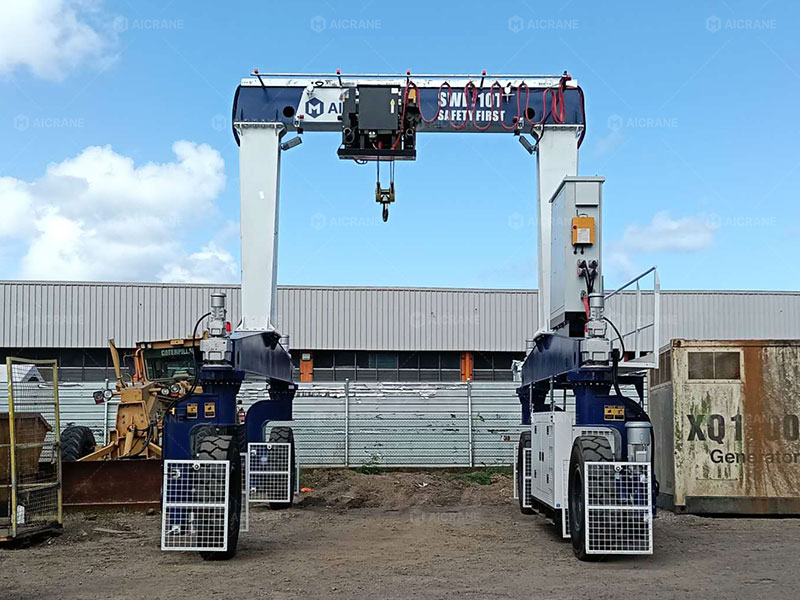
3. Readiness for Automation and Digital Integration
The industry is moving rapidly toward semi-automation and remote operations. Even if your terminal is not ready for full automation today, purchasing a “dumb” crane is a strategic error. You must ensure that the RTG cranes you buy today are “automation-ready.”
This means the mobile gantry crane control system must be designed for seamless integration with a Terminal Operating System (TOS). Ask the manufacturer specifically about their API capabilities. Can the crane report real-time telemetry (position, energy usage, container identification) to your central server? Is the cab design modular so it can be easily removed or converted for remote operations center (ROC) control in the future?
Additionally, look for built-in diagnostic capabilities. Modern RTGs should act as data nodes, capturing sensor data that allows for predictive maintenance. A manufacturer that provides a robust software dashboard to monitor the crane’s health—rather than just reacting to alarms—will save you significantly on unplanned downtime.
4. Post-Sales Support Infrastructure and Response Times
An RTG crane is only as good as the service behind it. In the port industry, downtime is measured in thousands of dollars per hour. When evaluating a manufacturer, ignore their sales pitch and look at their service logistics.
Ask the following questions during the vetting process:
- Where is the closest service hub? Having a regional support center within your time zone is vital.
- What is the “First Time Fix” rate? A reputable manufacturer should be able to provide data on their technician response times and the availability of critical spares.
- What is their remote diagnostic capability? Can their engineers log into your crane remotely to troubleshoot a software glitch or sensor error without flying a technician to your site?
If a manufacturer relies entirely on sending support staff from their home country for every maintenance issue, your operational risk is high. Look for partners who maintain local or regional stocking of long-lead-time components like hoist gearboxes or travel motors.
5. Compliance, Safety, and Environmental Standards
Safety is not just about operator comfort; it is about insurance premiums, operational liability, and legal compliance. The manufacturer must strictly adhere to international standards such as CMAA (Crane Manufacturers Association of America) or FEM (Fédération Européenne de la Manutention) for structural design.
Beyond the baseline safety requirements, evaluate the manufacturer’s commitment to “green” technology. The industry trend is heavily favoring E-RTGs (Electric RTGs) powered by cable reels or busbars, as well as battery-hybrid systems that eliminate diesel engine idling. A manufacturer that offers advanced energy recovery systems—where the energy generated during the lowering of a container is fed back into the grid or a battery bank—demonstrates forward-thinking engineering. This not only lowers your operating costs but also helps your terminal meet increasingly stringent port emission regulations.
Conclusion: The Total Cost of Ownership (TCO) Approach
When sourcing RTG crane manufacturers, stop viewing the procurement process as a simple transaction. It is a partnership that will define your yard’s productivity for years. By focusing on customization, open component architecture, automation readiness, robust support networks, and environmental compliance, you move beyond the lowest initial quote and toward the lowest Total Cost of Ownership.
Select a manufacturer such as Aicrane that views your yard’s throughput as their own metric of success. If they are willing to engage in these technical discussions at the bidding stage, it is a strong indicator that they will be a reliable partner once the cranes are on the quay.
Optimizing RMC Plant Setup Cost Through Efficient Design and Planning
Starting a ready-mix concrete (RMC) business requires careful planning, especially when considering investment in a new plant. One of the primary concerns for entrepreneurs is controlling expenses while ensuring operational efficiency. Optimizing RMC plant setup cost through efficient design and planning is critical to achieving a profitable operation. By choosing the right equipment, layout, and supplier, contractors can minimize initial investment and operational expenses while maximizing production capacity.
Whether you are considering a mobile RMC plant, learning how to start RMC plant, or selecting a trusted RMC plant manufacturer, understanding cost optimization strategies is essential.
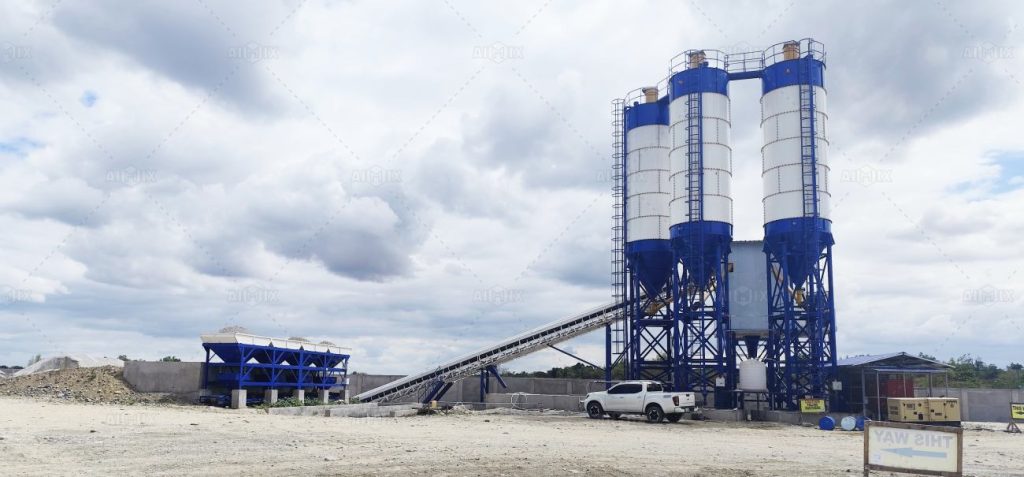
Understanding RMC Plant Setup Cost Components
Before optimizing costs, it’s important to understand what contributes to RMC plant setup cost:
-
Land and Site Preparation: The location of the plant affects the cost of land acquisition, leveling, foundation work, and connectivity to water, electricity, and roads. Urban sites may be more expensive, while rural locations could reduce costs but require additional logistics planning.
-
Equipment Investment: A key factor in setup cost is purchasing concrete batching machinery. Options include stationary plants and mobile RMC plants, each with different capital requirements. Mobile plants are generally more cost-effective for small to medium projects and allow flexibility to relocate between sites.
-
Installation and Commissioning: Labor, machinery assembly, and testing contribute to overall costs. Planning for efficient installation minimizes delays and additional expenses.
-
Automation and Control Systems: Plants with advanced digital monitoring systems may have higher upfront costs but offer better efficiency and lower long-term operational costs.
By breaking down costs, entrepreneurs can identify areas for optimization and make informed investment decisions.
Choosing the Right Type of Plant
Selecting the appropriate plant type is crucial to controlling RMC plant setup cost. Mobile RMC plants are ideal for projects with multiple sites or shorter-term contracts. They are compact, easy to transport, and require less infrastructure. Mobile plants reduce land acquisition and site preparation expenses while still delivering consistent concrete quality.
For larger, long-term operations, stationary plants may offer higher production capacity but come with higher initial setup costs. Entrepreneurs learning how to start RMC plant must carefully analyze project volume, location, and growth projections to choose the most cost-effective plant type.
Additionally, considering modular designs or plants with scalable components allows future expansion without incurring full replacement costs. This approach balances immediate budget constraints with long-term operational flexibility.
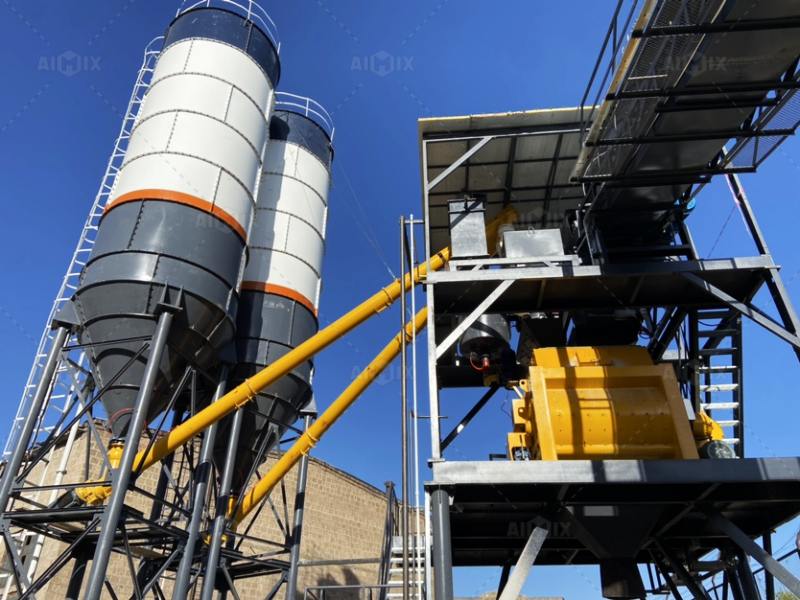
Partnering with a Reliable RMC Plant Manufacturer
Selecting the right RMC plant manufacturer is one of the most important steps in cost optimization. A reputable manufacturer provides:
-
Customized Plant Solutions: Tailored to production capacity, local regulations, and space constraints.
-
After-Sales Support: Timely maintenance, spare parts availability, and technical assistance reduce unexpected downtime costs.
-
Efficient Design Recommendations: Experienced manufacturers can suggest layout and workflow improvements to reduce material handling and labor requirements.
By collaborating with a manufacturer from the planning stage, businesses can avoid costly mistakes, streamline installation, and ensure the plant meets both current and future production requirements.
Efficient Layout and Workflow Design
Optimizing the physical layout of an RMC plant directly impacts setup cost and operational efficiency. Key considerations include:
-
Material Storage: Locating aggregates, cement silos, and water tanks strategically reduces transportation time within the plant.
-
Batching and Mixing Zones: A well-planned sequence of batching, mixing, and truck loading reduces bottlenecks and ensures smooth operation.
-
Accessibility: Clear pathways for delivery trucks and maintenance equipment prevent delays and reduce labor costs.
An efficiently designed plant minimizes the need for additional infrastructure, reduces energy consumption, and allows staff to operate more effectively. This layout planning is especially important for mobile RMC plants, where compact design and easy setup are critical.
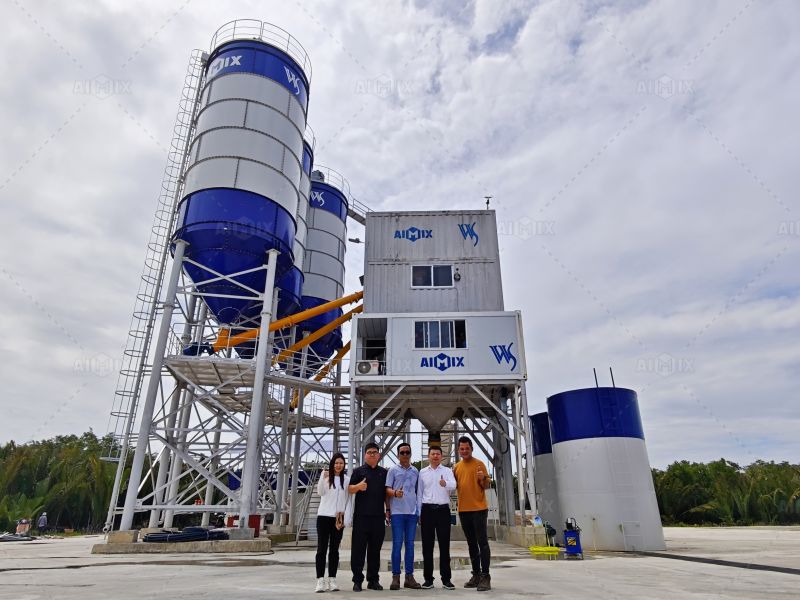
Leveraging Technology to Reduce Costs
Modern plants often incorporate automation, digital monitoring, and real-time reporting systems. While these technologies increase initial investment, they reduce labor costs, material waste, and downtime, ultimately lowering long-term RMC plant setup cost.
For entrepreneurs learning how to start RMC plant, adopting automated batching and mixing controls ensures consistent concrete quality, which reduces rejected batches and improves customer satisfaction. Sensors and software can also track resource usage, helping managers optimize material procurement and reduce overall operating expenses.
Planning for Logistics and Supply Chain Efficiency
Raw materials account for a significant portion of production costs. Efficient supply chain planning reduces unnecessary expenses:
-
Choosing suppliers near the plant minimizes transportation costs.
-
Bulk material procurement can lower purchase prices.
-
Coordinating delivery schedules with production ensures minimal inventory holding and reduces wastage.
Whether using a stationary or mobile RMC plant, streamlined logistics improve cash flow and reduce operational overheads.
Training and Maintenance
Investing in staff training ensures operators handle machinery efficiently, reducing wear and tear and preventing costly breakdowns. Regular preventive maintenance schedules recommended by the RMC plant manufacturer extend equipment life and avoid unexpected repairs, further optimizing setup costs over time.
Conclusion
Optimizing RMC plant setup cost requires a holistic approach that includes selecting the right plant type, efficient layout design, advanced technology adoption, and partnering with a trusted RMC plant manufacturer. Whether investing in a mobile RMC plant for flexible operations or planning a stationary high-capacity plant, careful planning and execution ensure that both initial investment and long-term operational costs are minimized. Entrepreneurs learning how to start RMC plant can achieve a competitive, cost-efficient operation while delivering high-quality concrete consistently, supporting sustainable growth and profitability.
Demand Analysis of Eco Asphalt Plants in Latin America
As sustainability becomes a central priority in infrastructure development, Latin America is witnessing a growing shift toward environmentally friendly road construction technologies. Among these, eco asphalt mixing plants stand out as a strategic investment for contractors, governments, and private developers seeking to balance performance, cost efficiency, and environmental responsibility.
Market Background and Regional Context
Latin America’s road construction sector has expanded significantly over the past decade, driven by urbanization, logistics integration, and regional trade initiatives. Governments across the region are prioritizing highway rehabilitation, rural road access, and smart city development. These projects increasingly require modern production systems that reduce emissions, optimize fuel usage, and comply with stricter environmental regulations.
Traditionally, many contractors relied on conventional asphalt plant(planta asfalto) configurations that focused primarily on output volume and initial capital cost. However, this approach is evolving. Today’s procurement decisions increasingly weigh life-cycle cost, environmental impact, and regulatory compliance. This shift has created strong demand for next-generation asphalt plants that integrate green technologies while maintaining high productivity.
Regulatory and Policy Drivers
Environmental regulations across countries such as Brazil, Mexico, Chile, and Colombia are becoming more stringent. These regulations address dust emissions, noise levels, fuel efficiency, and carbon output. In many cases, government infrastructure projects now require bidders to demonstrate the use of environmentally compliant equipment, including modern asphalt plant systems with low-emission burners, enclosed conveyors, and dust collection systems.
Furthermore, international funding institutions, such as development banks and climate finance agencies, often require sustainability compliance as a condition for financing road construction projects. This further amplifies demand for eco-friendly asphalt production solutions.
Key Demand Drivers for Environmentally Friendly Asphalt Plants
Environmental Compliance and Emission Reduction
One of the strongest demand drivers is the need to reduce emissions associated with asphalt production. Modern asphalt plant designs now incorporate advanced filtration systems, fuel-efficient burners, and optimized drying drums. These features significantly reduce particulate emissions, carbon dioxide output, and fuel consumption compared to legacy systems.
In Latin America, where urban expansion is occurring rapidly, local governments are increasingly sensitive to air quality concerns. Asphalt plants located near residential or commercial zones must operate within strict environmental thresholds, making eco-friendly equipment not just desirable but essential.
Cost Optimization Across the Equipment Lifecycle
While some contractors initially focus on asphalt plant price as a primary decision factor, many are now evaluating total cost of ownership. This includes fuel consumption, maintenance costs, spare parts availability, and equipment lifespan. Environmentally friendly asphalt plants typically offer lower operating costs due to improved thermal efficiency and reduced wear on critical components.
For example, optimized burner systems and heat recovery technologies can reduce fuel consumption by a measurable margin over the equipment’s lifecycle. When combined with longer service intervals and improved component durability, these benefits often offset higher initial investment costs.
Demand for Flexibility and Mobility
Latin America’s diverse geography, ranging from mountainous regions to remote rural areas, has increased demand for flexible and mobile production solutions. As a result, the portable asphalt plant(la planta de asfalto portátil) has emerged as a popular option for contractors working on decentralized or short-term projects.
Portable asphalt plants allow contractors to relocate production sites closer to construction zones, reducing transportation costs, material waste, and fuel usage associated with hauling hot mix over long distances. This mobility also aligns with environmental goals by minimizing carbon emissions linked to logistics operations.
Market Segmentation by Plant Type
Stationary Asphalt Plants
Stationary asphalt plants remain a cornerstone of large-scale road construction projects, particularly in metropolitan and industrial regions. These plants are favored for their high output capacity, advanced automation, and ability to integrate complex environmental control systems.
In eco-focused projects, stationary asphalt plants are increasingly equipped with low-emission burners, enclosed material handling systems, and intelligent control software that optimizes energy use in real time. Their demand is particularly strong in large national infrastructure projects, highway expansions, and airport runway construction.
Portable Asphalt Plants
The portable asphalt plant segment is experiencing robust growth across Latin America. These plants combine mobility with modern environmental performance, making them ideal for contractors engaged in multi-site or short-duration projects.
Portable asphalt plants are particularly valuable in rural development programs, mining infrastructure projects, and emergency road repair initiatives. Their ability to deliver consistent mix quality while minimizing environmental impact positions them as a strategic solution for contractors seeking both operational efficiency and regulatory compliance.
Mini Asphalt Plants
At the smaller end of the spectrum, the mini asphalt plant is gaining traction among local contractors, municipal authorities, and small-scale developers. These compact plants offer a balance between affordability, environmental performance, and operational simplicity.
Mini asphalt plants are especially suitable for urban road maintenance, rural access roads, and community infrastructure projects. Their lower asphalt plant price(planta de asfalto precio) relative to larger systems makes them accessible to smaller organizations, while their modern designs ensure compliance with environmental standards.
Economic Considerations and Asphalt Plant Price Trends
As demand grows for environmentally friendly asphalt production equipment, pricing dynamics are evolving. While advanced environmental features and automation systems can increase upfront asphalt plant price, market competition and technological innovation are driving greater cost efficiency.
Manufacturers are increasingly offering modular designs, standardized components, and scalable configurations. This allows buyers to select plant capacities and feature sets that align with project requirements and budget constraints. Additionally, financing options, leasing programs, and public-private partnerships are making eco-friendly asphalt plants more accessible to a broader range of contractors.
It is also important to consider the indirect financial benefits of environmentally friendly equipment. These include reduced regulatory compliance costs, lower risk of operational shutdowns due to environmental violations, improved public perception, and eligibility for green infrastructure funding programs.
Technological Innovations Supporting Sustainability
Energy Efficiency and Fuel Optimization
Modern asphalt plants integrate high-efficiency burners, intelligent control systems, and optimized drum designs to reduce energy consumption. These systems continuously monitor temperature, moisture content, and material flow, adjusting fuel input in real time to maintain optimal operating conditions.
By reducing fuel usage, these technologies not only lower operating costs but also directly contribute to reduced greenhouse gas emissions, aligning asphalt production with broader climate action goals.
Advanced Dust Collection and Noise Control
Environmental sustainability in asphalt production extends beyond emissions. Dust suppression and noise control are critical considerations, particularly in urban and semi-urban project environments. Modern asphalt plants are equipped with high-efficiency baghouse filters, enclosed conveyors, and sound-dampening structures that minimize environmental disturbance.
These features improve working conditions for plant operators, reduce community complaints, and support compliance with occupational health and safety regulations.
Automation and Digital Monitoring
Automation plays a central role in enhancing the sustainability of asphalt production. Intelligent control systems enable precise material batching, consistent mix quality, and real-time performance monitoring. This reduces material waste, improves fuel efficiency, and minimizes the risk of production errors.
Digital monitoring platforms also allow remote diagnostics and predictive maintenance, further reducing downtime, extending equipment lifespan, and optimizing resource utilization.
Demand Outlook and Strategic Implications
The demand outlook for environmentally friendly asphalt plants in Latin America remains strong. Infrastructure investment pipelines across the region indicate sustained growth in road construction and rehabilitation activities. At the same time, environmental regulations are expected to tighten further, reinforcing the need for compliant production equipment.
Contractors that invest early in eco-friendly asphalt production technologies are likely to gain competitive advantages, including access to larger public-sector projects, improved operational efficiency, and stronger alignment with sustainability goals.
From a strategic perspective, manufacturers and suppliers should continue to focus on delivering cost-effective, modular, and technologically advanced asphalt plant solutions tailored to the diverse needs of Latin American markets. Emphasis on after-sales support, spare parts availability, and technical training will further strengthen market adoption.
Conclusion
The growing emphasis on environmental sustainability in Latin America’s road construction sector is reshaping demand patterns for asphalt production equipment. From large-scale stationary systems to flexible portable asphalt plants and compact mini asphalt plants(mini plantas de asfalto), the market is shifting toward solutions that balance performance, cost efficiency, and environmental responsibility.
Asphalt plant price considerations remain important, but they are increasingly evaluated within a broader framework of life-cycle cost, regulatory compliance, and operational sustainability. This evolution presents significant opportunities for contractors, developers, and equipment suppliers who embrace eco-friendly technologies and align their strategies with the region’s long-term infrastructure and environmental objectives.
In this context, environmentally friendly asphalt plants are no longer a niche option but a strategic necessity for modern road construction projects across Latin America.
