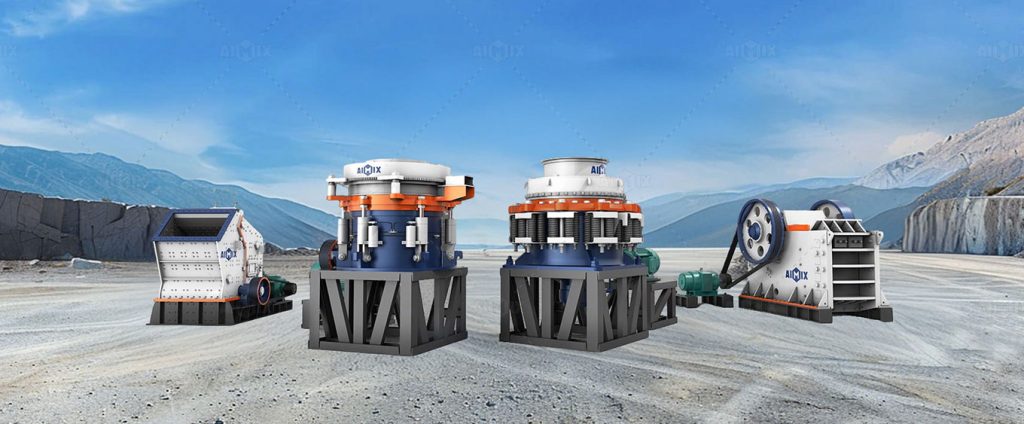
Selecting the right crushing equipment is one of the most important decisions in quarrying, mining, and aggregate production. Different crusher machine types are designed for specific applications, material characteristics, and production requirements. While some crushers focus on handling large rocks during primary crushing, others are designed to improve particle shape or produce fine materials. Understanding the advantages and limitations of each crushing technology helps businesses create more efficient production systems and achieve better long-term results.
The Importance of Choosing the Right Crusher Machine Types
A crushing operation usually involves multiple stages, including primary crushing, secondary crushing, and sometimes tertiary crushing. Each stage requires equipment with different capabilities. Choosing unsuitable equipment can lead to higher operating costs, excessive wear, unstable production, and poor final product quality.
Factors such as material hardness, feed size, required output size, production capacity, and final application all influence crusher selection. For example, hard rocks such as granite and basalt require powerful crushing forces, while softer materials may be processed with equipment designed for higher reduction ratios and shaping performance.
Modern crushing plants often combine several crusher machine types to create a complete production system. By understanding the strengths and limitations of each technology, operators can select a more balanced solution for their specific needs.
Jaw Crusher Machine: Reliable Primary Crushing Technology
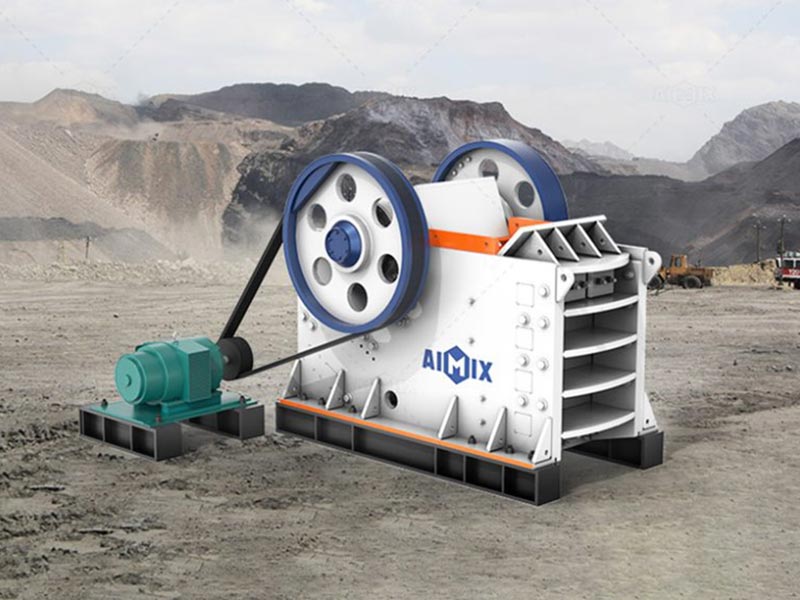
The jaw crusher machine is one of the most widely used crushing technologies for primary crushing applications. It operates through a compression process, where materials are crushed between a fixed jaw plate and a moving jaw plate. This simple but effective design allows jaw crushers to process large feed materials efficiently.
One of the biggest advantages of a jaw crusher machine is its strong crushing capability. It is suitable for handling hard and abrasive materials, making it commonly used in quarries, mining operations, and large aggregate production projects. Jaw crushers are also known for their simple structure, easy maintenance, and reliable operation.
However, jaw crushers also have certain limitations. They are mainly designed for primary crushing and may not produce ideal particle shapes when used alone. The output usually requires further processing through secondary crushing equipment to achieve specific aggregate sizes and better cubicity.
Cone Crusher Machine: Efficient Secondary and Fine Crushing
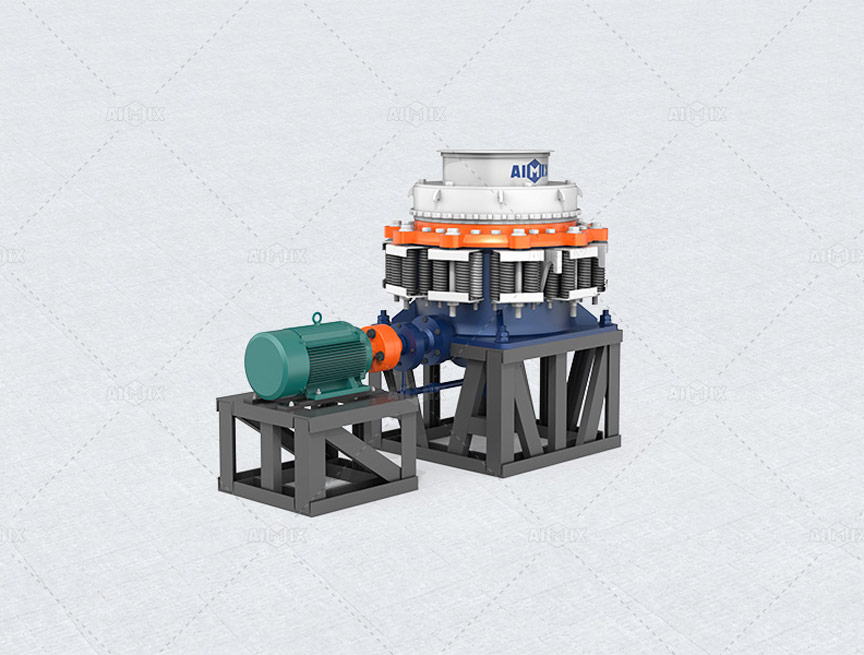
A cone crusher machine is commonly used for secondary and tertiary crushing stages. Unlike jaw crushers that use compression between two plates, cone crushers crush materials through the interaction between a rotating mantle and a fixed concave surface.
The main advantage of a cone crusher machine is its ability to produce high-quality aggregates with consistent particle sizes. It is especially suitable for processing hard and abrasive materials where excellent crushing efficiency and product shape are required.
Cone crushers are often used after jaw crushers in complete crushing plants. The combination allows the jaw crusher to handle large raw materials while the cone crusher further reduces the size and improves the quality of the final product.
Despite their advantages, cone crusher machines require more careful operation and maintenance compared with simpler crushing equipment. Factors such as proper feeding, lubrication, and wear part management have a significant impact on performance. In addition, cone crushers may have higher initial investment costs, making them more suitable for medium and large-scale production operations.
Impact Crusher Machine: Producing Better Particle Shape
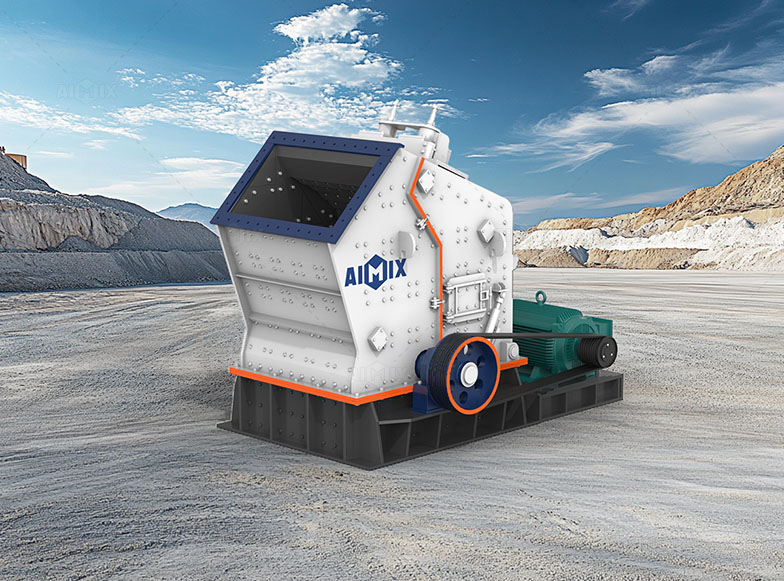
The impact crusher machine uses impact force rather than compression to reduce material size. The material is accelerated by a high-speed rotor and broken when it strikes impact plates inside the crushing chamber.
One of the key strengths of an impact crusher machine is its ability to produce excellent particle shape. The crushing process creates more cubic-shaped aggregates, which are highly valued in concrete and asphalt production. This makes impact crushers popular in applications where final product quality is a priority.
Impact crushers also offer a high reduction ratio and can efficiently process medium-hard materials such as limestone and recycled construction materials. They are commonly used in aggregate production, recycling projects, and manufactured sand applications.
However, impact crushers have limitations when processing extremely hard and highly abrasive materials. The impact force can increase wear on internal components, resulting in higher maintenance requirements. Therefore, material characteristics should always be considered before selecting this type of crusher.
Comparing Different Crusher Machine Types for Different Applications
Each crusher technology has its own role within a crushing system. A jaw crusher machine is usually selected when strong primary crushing capability is needed. A cone crusher machine is preferred when operators require efficient secondary crushing and high-quality aggregates. An impact crusher machine is ideal when excellent particle shape and high reduction ratios are important.
Rather than choosing a crusher based only on capacity, businesses should evaluate the complete production process. The best crushing solution often combines different crusher machine types to achieve a balance between productivity, product quality, and operating costs.
| Crusher Type | Main Strength | Main Limitation |
|---|---|---|
| Jaw Crusher Machine | Strong primary crushing ability and reliable performance | Limited ability to produce final-shaped aggregates |
| Cone Crusher Machine | Efficient secondary crushing with consistent output | Higher investment and maintenance requirements |
| Impact Crusher Machine | Excellent particle shape and high reduction ratio | Higher wear when processing very hard materials |
Building an Efficient Crushing System Through Proper Equipment Selection
Successful crushing operations depend on matching equipment capabilities with production goals. A well-designed plant considers not only individual crusher performance but also how different machines work together.
For example, a quarry producing high-quality aggregates may combine a jaw crusher machine for primary reduction, a cone crusher machine for secondary processing, and an impact crusher machine for final shaping. This multi-stage approach improves efficiency and allows producers to meet different market requirements.
As construction and mining industries continue to demand higher-quality materials, selecting the right crusher machine types has become increasingly important. Proper equipment selection can reduce downtime, improve productivity, and increase the overall profitability of crushing operations.
Conclusion
Understanding the strengths and limitations of different crusher machine types helps businesses make smarter decisions when designing crushing solutions. The jaw crusher machine, cone crusher machine, and impact crusher machine each provide unique advantages for different stages of material processing. By selecting the right combination of crushing technologies based on material properties, production goals, and product requirements, operators can build more efficient, reliable, and profitable crushing systems.