Stone crusher plant price is closely related to the aggregate products a project needs to produce. A plant making simple road base material may require a different configuration from one producing several precisely sized aggregates for concrete or asphalt. The required product sizes determine the number of crushing stages, screening equipment, conveyors, and auxiliary systems, which ultimately influence both initial investment and operating cost.
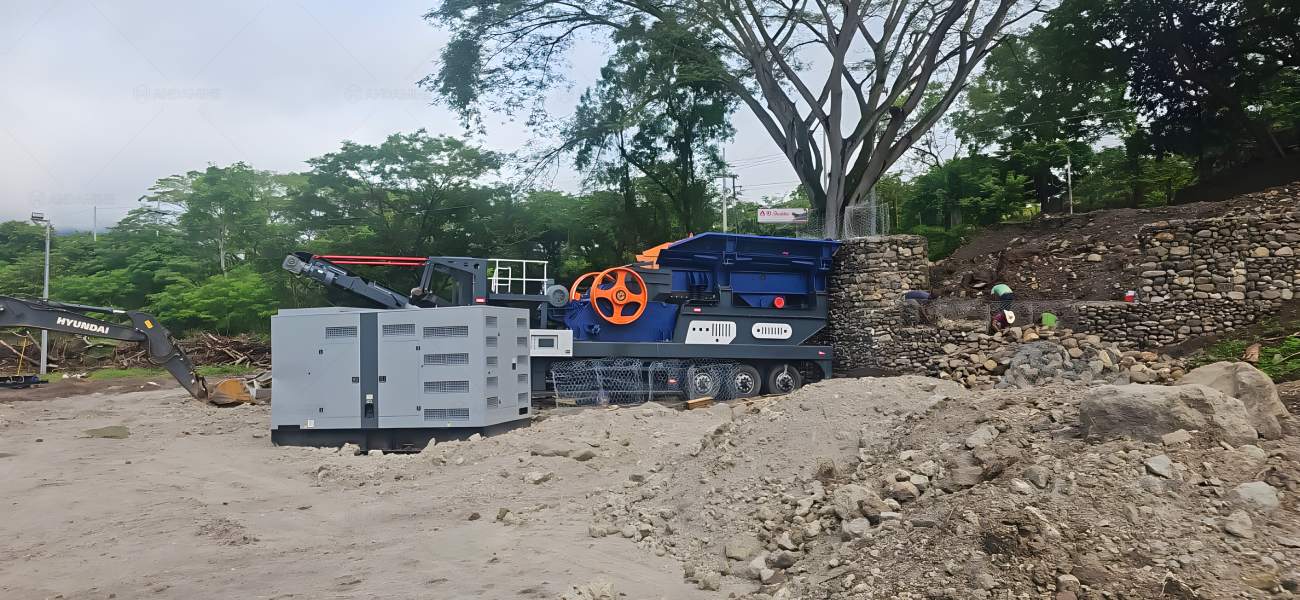
Product Requirements Should Come Before Equipment Selection
A crushing plant should be designed around the final products rather than starting with a specific crusher model. Before estimating the stone crusher plant price, operators need to define the required sizes, production volume, material characteristics, and quality standards.
For example, a project producing only one relatively coarse aggregate may be able to use a simple primary and secondary crushing process. If the market requires 0–5 mm, 5–10 mm, 10–20 mm, and 20–30 mm products simultaneously, additional screening and more precise crushing control may be necessary.
Coarse Aggregate Usually Requires Less Processing
Coarse aggregate applications such as road base and general construction fill may not require extensive size reduction. If the feed material is already suitable for the selected primary crusher and the final product has a relatively broad size range, a simpler crushing circuit can sometimes meet the specification.
This can reduce the initial investment because fewer crushers, screens, conveyors, and transfer points are required. However, the configuration still needs to control oversize material and maintain sufficient production capacity. Reducing equipment simply to lower the purchase price can create bottlenecks if the final product requirements are not properly considered.
Multiple Aggregate Sizes Increase Screening Requirements
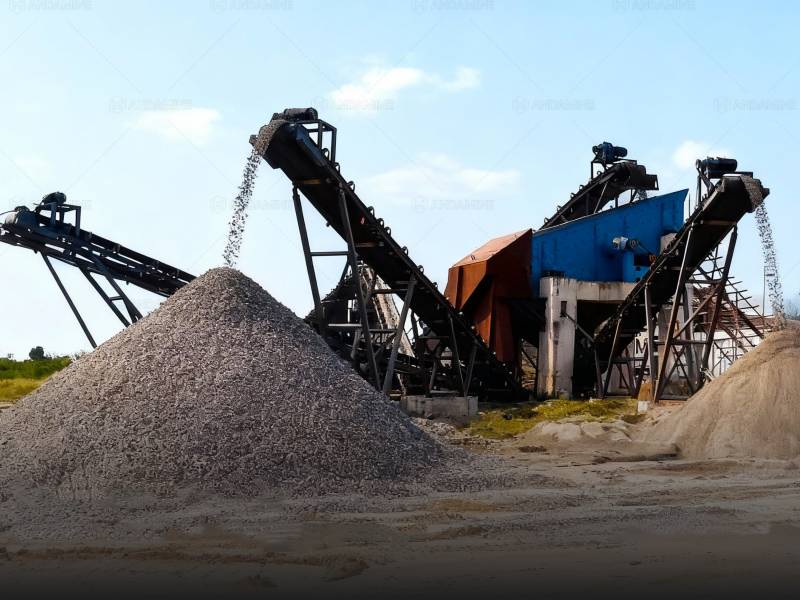
Producing several commercial aggregate sizes generally increases the importance of screening. The screen must separate crushed material into the required fractions while maintaining stable production throughout the circuit.
A multi-deck vibrating screen can divide material into several products in one stage. The number and size of screen decks, screening area, and recirculation arrangement all influence the final configuration. As screening requirements become more complex, the stone crusher plant price may increase even when the crusher capacity remains unchanged.
Screening efficiency also affects operating economics. Poor separation can send correctly sized material back into the crusher, increasing circulating load and energy consumption. Therefore, investing appropriately in screening can sometimes reduce the cost per ton even if it raises the initial equipment investment.
Fine Aggregate Can Require Additional Crushing
Producing fine aggregate or manufactured sand usually requires greater size reduction than producing coarse stone. Depending on the feed material and required particle shape, a plant may need additional secondary or tertiary crushing.
For hard and abrasive rock, cone crushing can provide efficient reduction in secondary and tertiary stages. Impact crushing may be preferred where particle shape and cubical products are especially important. The appropriate configuration depends on the material and specification rather than simply choosing the crusher with the highest rated capacity.
Aggregate Shape Can Change the Plant Configuration
Size is not the only factor affecting plant design. Aggregate shape can also influence equipment selection. Some concrete and asphalt applications require more cubical particles and controlled flakiness, which may require additional crushing or a different crushing technology.
This is why two plants with identical feed capacity can have very different equipment configurations. One may be designed primarily for high-volume coarse aggregate, while another uses additional stages to achieve tighter gradation and better particle shape. Their stone crusher plant price can therefore differ significantly even when their nominal capacity is similar.
Closed-Circuit Crushing Can Improve Product Control
When the required aggregate specification is tight, closed-circuit crushing can provide better control. Material from the crusher passes through a screen, while oversize particles are returned for further crushing.
This approach allows the plant to continuously separate finished products from material that still requires size reduction. However, a closed circuit also introduces additional conveyors, screening capacity, and circulating material. The investment should therefore be evaluated against the value of better product control and reduced oversize.
Why Prices Differ Between Countries
Searches for terms such as stone crusher machine price in Nigeria illustrate why equipment prices should not be compared solely by the machine itself. Shipping distance, import costs, local transportation, installation requirements, electrical infrastructure, and site conditions can all affect the final project investment.
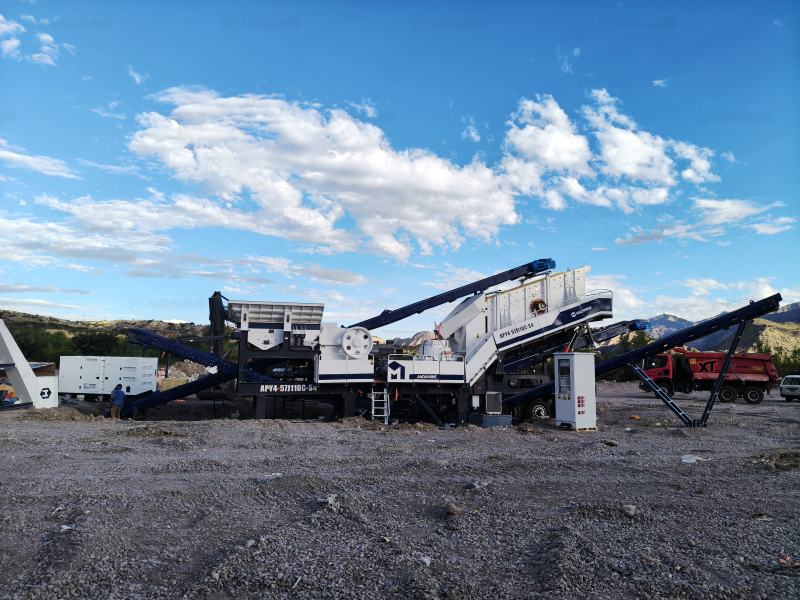
The same principle applies to searches for crusher plant price in Peru. A crushing plant operating in a remote quarry or mountainous area may require different transportation arrangements, installation methods, and supporting equipment from a plant located close to a major industrial center. Consequently, the final project cost can be substantially different from the basic equipment quotation.
Capacity and Product Mix Must Be Balanced
Another important factor is the relationship between production capacity and product demand. A plant may technically produce 200 tons per hour, but if the market mainly requires one product and has limited demand for the others, the additional capacity may not generate sufficient returns.
A better approach is to estimate the expected demand for each aggregate size and then design the crushing and screening circuit around the actual product mix. This can prevent over-investment in equipment that remains underutilized while ensuring that the most valuable products receive adequate processing capacity.
How to Start a Stone Crusher Business With the Right Configuration
Anyone researching how to start stone crusher business should begin with the market and raw material rather than immediately purchasing equipment. The first step is to determine what types of aggregates local customers need and at what volumes.
- Study the raw material: Determine hardness, abrasiveness, moisture, feed size, and geological consistency.
- Identify product demand: Define the required aggregate sizes and expected sales volume.
- Develop the process: Select crushing stages and screening arrangements according to the target products.
- Estimate total investment: Include crushers, screens, conveyors, foundations, electrical systems, transportation, and installation.
- Calculate operating cost: Consider electricity, fuel, wear parts, labor, maintenance, and material handling.
- Check future expansion: Leave practical options for increasing capacity or adding products if market demand grows.
This approach produces a more realistic investment estimate than comparing equipment prices alone.
Conclusion
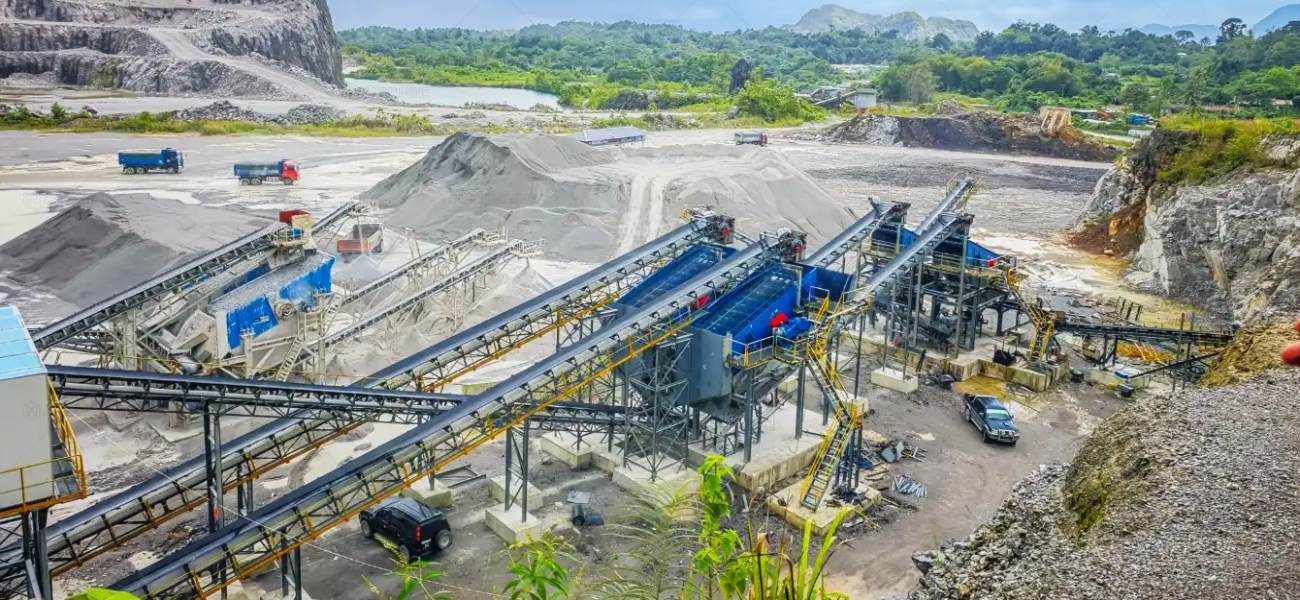
Stone crusher plant price is ultimately shaped by what the plant needs to produce. Coarse road aggregates may require a relatively simple circuit, while multiple finished sizes, fine aggregates, strict gradation, or controlled particle shape can require additional crushing and screening stages. The most economical plant is therefore not necessarily the one with the lowest purchase price, but the one that matches processing requirements with market demand and long-term operating costs.