The world stands on the cusp of an unprecedented infrastructure renaissance. From sprawling high-speed rail networks in Asia to the revitalization of crumbling bridges in North America, and the ambitious “Great Green Wall” development projects in Africa, the global appetite for concrete and asphalt is insatiable. This monumental construction boom is not merely a matter of steel and glass; it is, at its most fundamental level, a story of aggregate. Every kilometer of road, every foundation of a skyscraper, and every run of a pipeline begins with crushed stone. This insatiable demand for raw material creates a powerful economic updraft, lifting all vessels in its wake. For entrepreneurs and established operators in the stone crushing industry, this surge represents a golden era of opportunity. However, capitalizing on this momentum requires more than just heavy machinery; it demands astute market awareness, strategic positioning, and a nuanced understanding of the symbiotic relationship between national development agendas and the quarry floor.
1. The Macroeconomic Catalyst: Government Spend and Urbanization
The primary driver of opportunity in the stone crushing industry is the confluence of government fiscal policy and the inexorable tide of urbanization. These forces create a sustained, long-term demand for aggregates that transcends typical market cycles.
National Infrastructure Pipelines and Budgetary Allocations
Governments worldwide are deploying massive fiscal stimulus packages directed at infrastructure renewal as a mechanism to stimulate employment and future-proof their economies. These are not short-term fixes but multi-year, strategic commitments involving billions of tons of aggregate. Consider the United States’ Infrastructure Investment and Jobs Act or similar initiatives across Europe and the Pacific Rim; these policies provide a visible roadmap for demand. Stone crusher plant businesses that can accurately map these project pipelines—understanding the specific gradations required for highway base courses versus rail ballast—gain a formidable first-mover advantage. The astute operator will not passively wait for tenders but will actively position their production capacity to align with the specific geological and volumetric needs of the regional development plan, ensuring a perpetually booked production schedule.
The Vertiginous Rise of Urban Megacities
By 2050, it is projected that nearly 70% of the world’s population will reside in urban areas. This demographic shift necessitates the construction of millions of new housing units, the expansion of municipal water and sewage systems, and the creation of dense, multi-modal transport networks. Each of these components is extraordinarily aggregate-intensive. A single modern hospital complex, for instance, can consume tens of thousands of tons of crushed stone in its substructure. The stone crushing industry is the silent enabler of this urban metamorphosis. Businesses that recognize the sustained demand emanating from urban expansion—and who can offer just-in-time delivery solutions to constricted city-center sites—will find themselves indispensable partners in the ongoing evolution of the modern metropolis.
2. Seizing the Opportunity: Strategic Business Positioning
Recognizing the demand is one thing; positioning a business to capture it profitably is another. This requires a sophisticated orchestration of logistics, product diversification, and operational excellence.
Local Logistics and the “Weight” of Distance
Aggregates are a commodity dominated by the “cost of weight.” The cost of transporting crushed stone overland escalates exponentially with distance, effectively establishing a “freight radius” beyond which the product becomes economically unviable. This geographical constraint is a powerful form of localized protectionism for stone crushers. The business that secures a quarry strategically located near a major infrastructure artery—such as a proposed highway interchange or a new industrial zone—effectively builds a permanent barrier to competition. By investing in efficient weighbridges, fleet management software, and streamlined loading procedures, operators can minimize turnaround times, reducing cost-per-ton metrics and maximizing their share of the local market. In this arena, logistical finesse is as crucial as crushing capacity.
Product Portfolio Diversification and Niche Highways
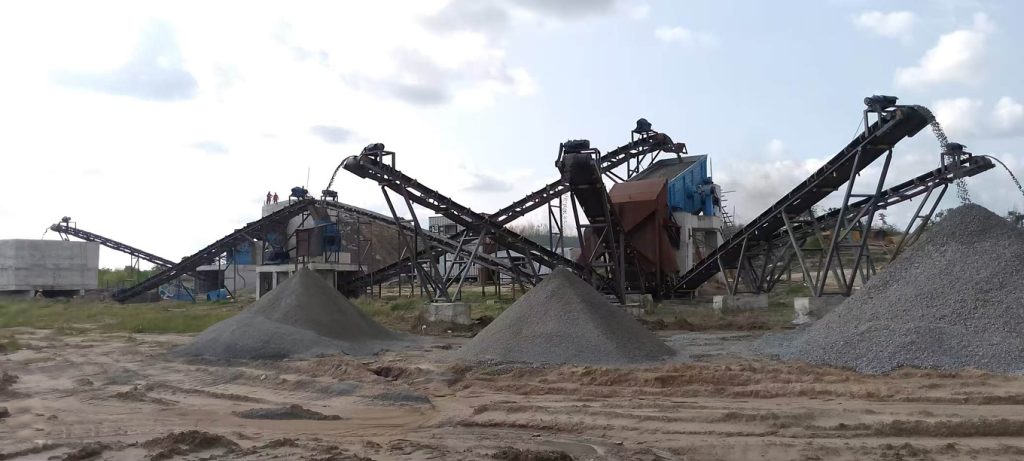
Moving beyond the production of a single, commoditized size of “road base” is essential for margin expansion. The modern infrastructure project demands a symphony of aggregate gradations: coarse rip-rap for erosion control, Gabion stone for retaining walls, fine manufactured sand for concrete, and dry-screened material for asphalt. The crushing business that invests in a multi-deck screening circuit and an advanced washing plant can produce this portfolio of value-added products. By serving these niche, higher-margin requirements—such as the production of rail ballast with its stringent flakiness index requirements or high-grade concrete aggregate with specific water absorption characteristics—the business elevates itself from a bulk commodity supplier to a specialized materials consultant, commanding premium pricing and fostering enduring client loyalty.
Strategic Equipment Acquisition
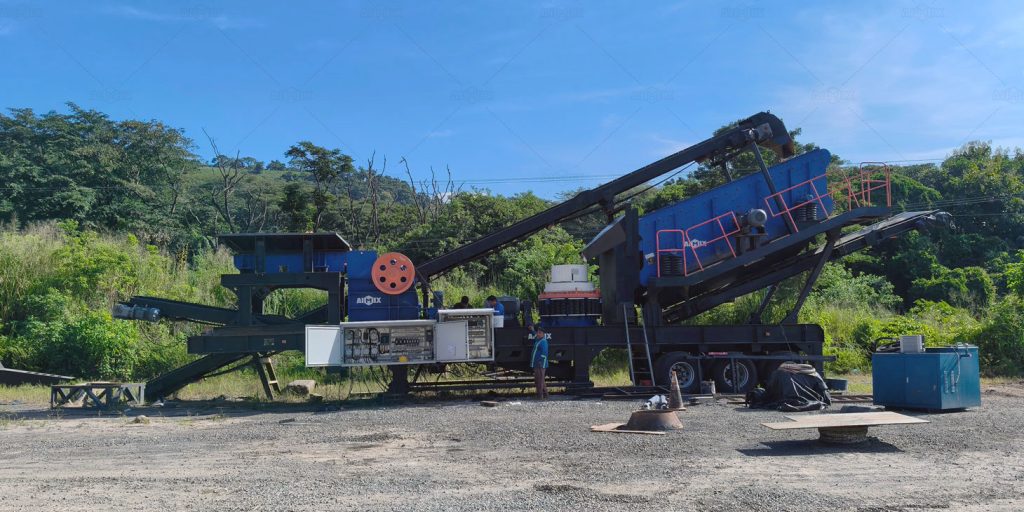
The choice of crushing machinery is a high-stakes strategic decision that dictates both operational flexibility and cost structure. While conventional stationary plants offer high throughput, they are geographically fixed and require substantial civil works. Conversely, modern mobile crushers, including the versatile impactor and robust jaw configurations, offer the agility to move with the project. This is particularly potent for linear infrastructure like roads or pipelines, where the crushing operation can move progressively along the construction corridor. Investing in equipment with advanced automation ensures optimal throughput, reduces energy consumption, and provides detailed telemetry data for predictive maintenance, thereby minimizing downtime and maximizing the output per operational dollar.
3. Navigating Risks and Ensuring Sustainability
While the outlook is overwhelmingly positive, the stone crushing industry is not immune to inherent risks. A prudent operator must navigate environmental scrutiny, regulatory volatility, and market fluctuations to ensure longevity.
Environmental Stewardship and Social License to Operate
The industry faces intense environmental scrutiny regarding dust emissions, noise pollution, and habitat disruption. Securing and maintaining a “social license to operate” is no longer optional; it is a prerequisite for commercial survival. Implementing comprehensive dust suppression systems—such as water mist cannons and enclosure of conveyor transfer points—is a non-negotiable investment. Furthermore, adhering to stringent blasting protocols, conducting thorough environmental impact assessments, and engaging in community outreach are essential practices. A quarry that is perceived as a responsible corporate citizen, proactively rehabilitating exhausted extraction areas, fosters goodwill and mitigates the risk of costly litigation or permit revocation, safeguarding the asset’s long-term valuation.
Capitalizing on the Green Transition
The global pivot toward sustainable construction is creating new market segments. The rising demand for recycled aggregates derived from construction and demolition waste (C&D) represents a significant adjacency. A stone crushing business that incorporates a mobile impact crusher to process concrete arisings and asphalt millings is effectively entering the circular economy. This not only provides a second revenue stream from a material that others view as waste but also positions the company to qualify for “green” procurement contracts that often carry premium pricing. Additionally, the burgeoning production of manufactured sand to replace dwindling natural river sand reserves offers a high-growth niche. By investing in vertical shaft impactors (VSIs) to produce high-quality, cubical manufactured sand, crushers can capitalize on the environmental pressures curtailing the extraction of natural sand, future-proofing their business against a resource-depleted world.
Anticipating Market Volatility and Commodity Pricing
Despite the secular growth trend, the construction industry is cyclical, often sensitive to fluctuations in interest rates and commodity prices. To insulate against this, a diversified customer base is paramount. Relying solely on a single government contract exposes the business to political risk and payment delays. By balancing government infrastructure work with private sector projects—such as commercial developments, housing subdivisions, and even agricultural infrastructure—the operator creates a diverse revenue portfolio. Furthermore, establishing long-term supply agreements with large asphalt plants and ready-mix concrete producers creates a predictable baseline demand, providing financial stability that allows the business to weather temporary market softness and emerge stronger when the cycle turns upward.